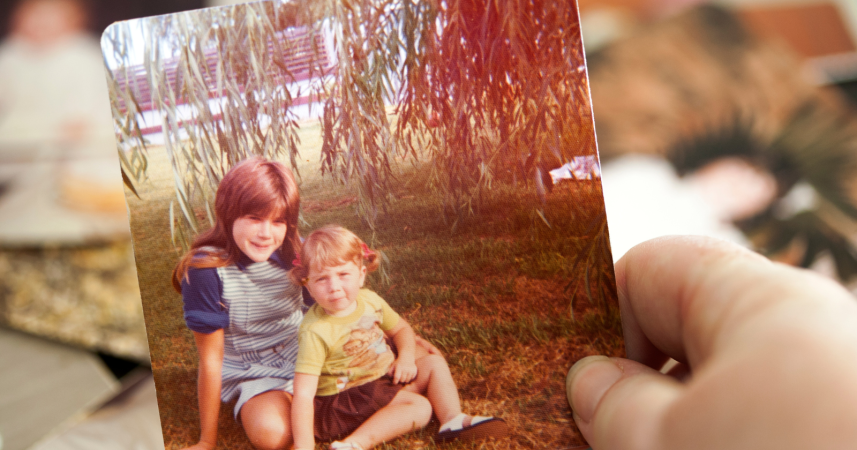
The 60s and 70s taught a sturdy playbook - fix it, show up early, eat at the table, know your map—and we could all use a little of that muscle again.
I grew up listening to my parents’ 60s and 70s stories at the kitchen table while the radio hummed and the pressure cooker clicked.
My dad would point at the dented toolbox he’d had since high school and say, “If you can’t fix it, you don’t own it yet.” My mom timed dinner to the evening news and made lists on the back of junk mail envelopes.
When the electricity flickered during summer storms, she lit candles without commentary and made peanut butter sandwiches like it was a picnic. Their world felt sturdier, not because it was easier, but because certain lessons were baked into daily life. A lot of those lessons are rare now. They still work.
Here are ten life lessons many people raised in the 1960s or 70s absorbed almost by osmosis, and why they’re worth reviving today.
1) Use it up, wear it out, make it do
In plenty of households, you did not replace first. You repaired. Socks were darned, bikes were patched, and furniture was tightened before anyone mentioned shopping. Coffee cans became hardware storage. Glass jars turned into planters. The default mindset was resourcefulness.
What it looks like now: learn one repair skill this month. Sew on buttons. Patch a tire. Sharpen knives. Keep a small kit at home: needle and thread, duct tape, epoxy, a hex key set. It is not about austerity. It is about pride and agency. When you can fix small things, you stop treating your life like a catalog.
2) Show up five minutes early
The world ran on analog clocks, commuter schedules, and landlines. If you were late, you could not text updates. You just were late. So people padded plans. Five minutes early read as respect. It also reduced chaos. You knew the bus route, you checked the weather, and you left when you said you would.
What it looks like now: put a margin back in. Aim to arrive early and carry something to read so you do not resent the buffer. Text if you are delayed, sure, but do not rely on the text as a crutch. Reliability is quiet status.
3) Eat at the table, not just the counter
A lot of families had a dinner hour. Even if it was simple, it was together. Phones rang off in the corner. The TV went mute. You passed bread, you made room for elbows, you heard about the day. It was social glue disguised as soup.
What it looks like now: reclaim one shared meal a day or a few per week. No phones. Twenty minutes. Ask two repeat questions that anchor conversation. “What did you notice?” and “Who did you help?” Ritual builds connection faster than any group chat.
4) Learn the map before you leave
Without GPS, you studied routes. You wrote directions on index cards. You looked for landmarks. Getting lost was normal and survivable. The side effect was spatial confidence. People knew how their city fit together. They noticed the river, the grid, the shortcut that dodged traffic.
What it looks like now: before tapping start, glance at the route. Learn two alternate ways to reach the places you visit most. If you move to a new city, walk it, then bike it. Geography is a skill. It makes you calmer when plans shift.
5) Read the room and the rules
From school assemblies to neighborhood meetings, the 60s and 70s trained kids to observe before acting. You listened to the principal, you noticed how a potluck line flowed, you waited your turn at the arcade. There were fewer signs telling you how to behave, so you inferred.
What it looks like now: practice context literacy. When you enter a new space, pause. How do people order here. Where do coats go. What volume seems kind. If you are unsure, ask the host or the person behind the counter a respectful question. People remember the guest who made things easier.
6) Skills before credentials
Many jobs were learned by apprenticeship, not just by application. You mowed lawns, bagged groceries, fixed small engines, painted fences. You learned to handle cash and customers. Your reference was a neighbor who saw you show up.
What it looks like now: build portfolio proof alongside paper proof. If you want to write, publish. If you want to code, ship a tiny tool. If you want to cook, feed five people and ask for feedback. Degrees can help. Demonstrated competence opens doors.
7) Save a little, even when it hurts
Plenty of families lived through inflation and layoffs. The habit that stuck was simple: pay yourself first, even if it is ten dollars. Keep an envelope for emergencies. Put a little aside when the paycheck hits, not after it vanishes.
What it looks like now: automate a small transfer on payday. Start with what you can sustain. Build a one-month cushion, then three. Boring wealth beats exciting debt. If you share money with a partner, make the savings goal visible where you both see it.
8) Call your people on ordinary days
Landlines made calling an event. You dialed, you asked for the person, you chatted without multitasking because your head was literally tethered to the wall. You called your parents on Sundays. You called your friend after their exam. You phoned to say, “I got home.”
What it looks like now: schedule short, predictable calls. Ten minutes with your dad while you fold laundry. A Thursday check-in with your friend on the commute home. Texts are great. Voices carry information phones cannot: cadence, relief, fatigue, joy.
9) Know your neighbors, not just your followers
The neighborhood was your safety net and your filter for reality. You borrowed a ladder, you returned a casserole dish, you kept an eye out for each other’s kids. Gossip existed, sure, but so did help when a storm took down a branch.
What it looks like now: learn three names on your block or in your building. Exchange numbers for practical reasons: packages, lights left on, pets. Organize a small stoop coffee or a hallway cookie plate at the holidays. You do not need to be best friends. You need a web.
10) Do your part, then clean up
From school field days to church basements, you learned to stack chairs, wipe tables, return equipment, and thank the person organizing. Adults did not hover, they delegated. Kids learned that events end with cleanup, not applause.
What it looks like now: at every gathering, find one unglamorous task and do it. Stack plates at a restaurant, fold blankets after a picnic, ask the host where the trash bags are. Then write a short thank-you. Community runs on invisible labor. Share it.
I can hear the counterpoints already
Not everyone in the 60s and 70s learned these lessons. Plenty of people were shut out of opportunity, told to stay small, or forced into roles they did not choose.
Also true: we have made real progress in recognizing mental health, building flexible careers, and questioning norms that deserved questioning. I am not romanticizing an era. I am rescuing a few skills that still serve.
If you want to put them into practice without making your life feel like a museum, try a two-week experiment.
Week one: pick three lessons and set up tiny reps. Darn one sock. Arrive five minutes early twice. Learn one neighbor’s name. Keep it light and concrete.
Week two: add two more. Cook two dinners at the table. Turn off turn-by-turn directions for one familiar route and navigate by memory. Call someone you love for exactly ten minutes.
Notice what changes in your mood. I found that these old-school habits lowered my ambient stress. My evenings got calmer when I knew the route. My mornings felt cleaner when the sink was empty from the night before. My weekends felt richer when I spent time with people I could actually touch and help.
A short personal aside from my farmers’ market volunteer shifts. Our best mornings are never the busiest ones. They are the ones where the basics hum: knives sharp, crates labeled, small bills ready, names remembered, weather read.
The oldest volunteers move like water because they grew up inside these lessons. Watching them, I think: none of this went out of style. We just forgot the choreography.
A few modern upgrades that respect the spirit if not the specifics:
- Repair meets YouTube: learn from someone who recorded the fix. Pause. Rewind. Try.
- Early means prepared: keep a book or a podcast queued so buffers feel like choices, not penalties.
- Table time scales: if you live alone, light a candle and sit anyway. Make it a moment.
- Maps plus GPS: use location services for safety, but build your internal map so you are not stranded when batteries die.
- Savings with apps: automate, then hide the account from daily view. Out of sight, steadily growing.
- Calls plus texts: send a heads-up text, then call at the time you promised. Respect matters both ways.
- Neighbor web with boundaries: friendly, not intrusive. Share, do not pry.
- Cleanup as default: leave places a notch better. It buys you quiet pride.
What I love about these lessons is that they presuppose competence. They treat you like someone capable of shaping a day, not just enduring it. They also make communities kinder because they turn private effort into public ease.
When you are five minutes early, you calm a room. When you repair, you reduce waste. When you eat at a table, you remember you have a body and a story, not just a schedule.
If you were raised in the 1960s or 70s, chances are you can still feel the texture of these lessons in your hands. If you were not, you can learn them in an afternoon.
They are not fancy. They are not trending. They are the kind of moves that make a Tuesday livable.
Final thoughts
The 60s and 70s produced a generation wired for repair, punctuality, shared meals, maps in their heads, context reading, apprenticeship, saving, phone calls, neighborhood webs, and quiet cleanup.
Those habits barely exist at scale today, but they still work. Pick one and start. Sew the button. Text that you will be early. Sit at the table with a bowl and a story. Learn your route without a blue line. Stack the chairs before you say goodbye.
You will look a little old-fashioned. You will also feel more human. And your corner of the world will run smoother, which is what the best lessons were always for.