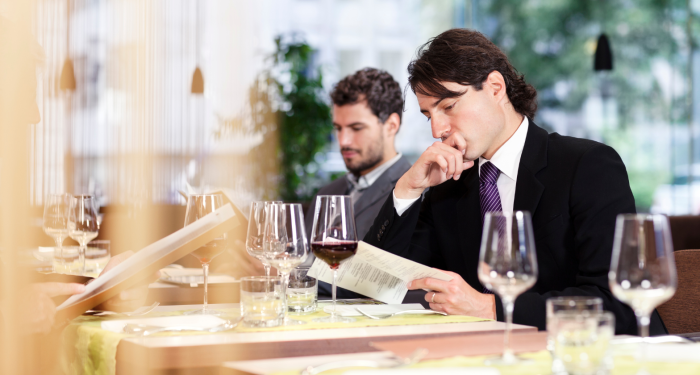
Classy diners land softly, read the room, order for the table, treat staff like pros, tip quietly, and leave a clean runway while try-hards perform
I learned more about people from the host stand than I ever did in a conference room.
Before I wrote for a living, I co-owned two fine dining restaurants with a chef friend. Friday nights were a symphony of tiny choices.
Silverware lined up like soldiers. Bread warm enough to steam the butter. A dining room tuned to a hum where you could hear your date but not your neighbor. And then the doors would open, and the real variable arrived.
Some guests walked in and the room relaxed. Coats were handed over without a fuss. A smile for the host. A quick scan for the server who looked busiest.
Those tables felt like a conversation. Other guests arrived in a cloud of volume and expectation. Everything was a test. Status had to be proved. Those nights felt like doing pushups while balancing a tray.
If you have ever wondered what truly separates classy customers from try-hards in a fine dining room, here are the ten quiet habits I saw again and again.
No judgment. Just field notes from the side of the pass.
1) They land softly at the host stand
Classy guests approach the host like they are joining a choreography, not breaking it. They make eye contact, offer the name on the reservation, mention the party size if it has changed, and then step aside so arrivals can flow. If they have a request, they keep it simple. “A quieter table if possible.” They do not hover in the doorway or narrate their status.
Try-hard guests turn the host stand into a stage. They announce that they are regulars, name-drop the owner, or wave a metal card as if it were a backstage pass. If the table is not ready, they linger in the lane and sigh like we planned it that way.
Soft landing reads as confidence. It tells the room you belong everywhere, not just where the best table sits.
2) They read the room before asking
Classy customers glance around and calibrate. Is the bar three deep. They wait a beat before asking for menus. Is the server mid-fire with a six-top. They catch the next pass with a small hand raise and a smile. Classy is not passive. It is well timed.
Try-hard customers treat every minute as a test of their importance. They flag two people at once. They ask for bread, water, and cocktail specs in the same breath. They use the phrase “right now” for things that cannot be right now, like a banquette that has a human in it.
Reading the room is not submission. It is social intelligence. You get what you want more often when your ask fits the rhythm.
3) They order for the table, not the photo
In fine dining rooms, classy tables build a little arc. One bright starter. One rich. Greens to share. A main with a counterpoint. If they split, they let us know gently so the pacing works. “We will share the pasta. Feel free to fire mains when it is halfway down.”
Try-hard tables skim for signature dishes like trophies. They over-order because scarcity feels like status. They ask for everything at once and then act irritated when plates stack. The food becomes a lineup, not a meal.
When you order for the table you signal that everyone’s experience matters. You also make the kitchen your partner. That is the classiest move in the room.
4) They treat staff like pros and peers
Classy customers learn names. They look up for a hello and down for a menu. They ask one or two smart questions that help us steer. “We lean pescatarian. What plays nicely tonight.” If something is off, they are precise and brief. “This is closer to well than medium rare. Could the kitchen refire to medium rare.” Then they angle the plate for a clean pickup.
Try-hard customers narrate expertise. They correct pronunciations loudly. They test the server with trick questions about vineyards they do not actually know. They send things back with a monologue that slows the fix and bruises the person who is trying to help.
True class is specific and kind. It respects the craft on both sides of the table.
5) They let generosity be quiet and exact
Classy guests are consistently generous where it counts. They tip to the effort, not the discount. If the kitchen sent a little extra, they do not assume free. They ask the server how to show appreciation. When they pick up the check, they hand a card early with a smile and say, “We are table twelve.” No performance. No tug-of-war at the table.
Try-hard guests perform their generosity. They slap the folio, flip the card, and tell a story about points. They tip unevenly, swinging wide for applause one night and docking for small mistakes the next. Staff read those swings as volatility, not largesse.
Quiet generosity signals steadiness. Steadiness makes you welcome long after the champagne is gone.
6) They adjust without making a scene
Every dining room has friction. A draft moves through the doorway. A fork is missing. A dish lands later than perfect because the line caught a fire. Classy guests ask for the fix once, clearly, and let the night recover. If a change of table will help, they say, “We are happy to move if a corner opens up. No rush.”
Try-hard guests escalate small snags into tests of character. They repeat the complaint to each person who passes the table. They ask for a manager as a first move rather than a last. They retell the story throughout the meal and then again in an online review.
Grace under small pressure is the quietest flex there is. Everyone in the room registers it.
7) They dress for comfort that respects the room
Classy customers wear clothes that fit, shoes that are clean, and fabrics that breathe. They look like themselves, just turned a notch. They bring a sweater if they tend to run cold and ask for a hook rather than draping a dripping coat over a chair.
Try-hard customers either overdress for a photo or underdress to signal they cannot be bothered. The first reads as brittle. The second reads as dominance play. Neither is about the meal.
Comfort that respects context tells the staff you came to participate, not to audition or test the boundaries.
8) They keep their phones pocketed unless they add value
Classy guests might snap one photo without flash and then rejoin the room. If they are waiting on an important call, they let the server know. If they need reading light, they ask for a candle rather than blasting the table with a flashlight app.
Try-hard guests film courses end to end, shine lights that blind other tables, and stage the check for a shot. The room shrinks to a backdrop. Staff become props. Everyone’s shoulders rise.
If you want a richer signal, post later and thank by name. In the room, give your attention to the people you chose to sit with. That is why you left the house.
9) They protect turn times without being told
Fine dining is not a lease. Restaurants survive on turns. Classy tables ask about the window. “We have tickets at nine. Will we be comfortable if we order now.” If they plan to linger, they warn us and increase their spend accordingly with dessert, coffee, or a second bottle of wine. When they are done, they settle up without turning the table into a lounge. If they want to keep talking, they move to the bar.
Try-hard tables stretch until a manager has to clear their throat. They sit on a paid check waiting for a third round they will not order. They act surprised by the subtle hints everyone else can hear.
Leaving a clean runway for the next party is the kind of class that keeps a room alive.
10) They compliment with precision
Classy customers send a message to the back with one exact line. “Please tell the line the char on the broccoli was perfect,” or “That lemon tart was the best acid to sweet balance we have had this year.”
Specific praise travels. It boosts the person who actually did the work and makes management notice for the right reason.
Try-hard customers offer generalities when asked at the door. “Everything was great,” said in a tone that means “we are done here.” Or they gush for show and then leave a tip that tells a different story.
Precision is believable. Believability is respect. Respect is the currency of a shared room.
A few small things the best guests always did that cost nothing and changed everything:
- They used names. Saying “thank you, Dana” turned service into hospitality.
- They consolidated asks. Two at a time kept the lane clear.
- They asked for preferences. “How do you like to split checks.” Then followed that system.
- They brought steady energy. Even in a rush, their tone was human. Stress did not spill.
- They handled mistakes like grownups. Clear request, fast repair, quick thank you, then the night moved on.
And since you asked what the try-hards did most often:
- Announced connections before saying hello.
- Performed insider lingo they did not actually understand.
- Turned every choice into a brand signal.
- Used generosity as theater.
- Treated staff like a filter to be beaten rather than allies in the night you want.
A tiny story to close. One winter, a couple came in every other Friday. They booked early, asked for a corner but never insisted, and brought a paperback to trade with the bartender.
They ordered a simple meal, sometimes shared a half bottle, and always left a neat table. One night our dishwasher had to go home sick. We were in the weeds. The couple ate slowly, then asked for coffees to go.
At the door the woman handed me a small envelope. Inside was a note that read, “We love how your room feels. Take care of your crew.” There was cash tucked behind it. No signature. No social post. Just the feeling that someone saw us.
That is the center of class in a dining room. Not price. Not labels. Not performance. Awareness. Grace. A kind of ease that says, “We are in this together for the next two hours. Let’s be good to each other.”
Final thoughts
If you want to move like a classy guest rather than a try-hard, it is not complicated. Land softly at the host stand. Read the room before asking.
Order for the table, not the photo. Treat staff like pros. Let generosity be quiet and exact. Adjust without making a scene. Dress for comfort that respects the space. Keep your phone pocketed. Protect turn times. Compliment with precision.
Fine dining rooms are small democracies. They work when everyone plays their part. Bring steady energy and you will get a better meal, a warmer welcome, and a standing invitation to return.
That, more than any table with a view, is what feeling at home in a restaurant is all about.
Just launched: Laughing in the Face of Chaos by Rudá Iandê
Exhausted from trying to hold it all together?
You show up. You smile. You say the right things. But under the surface, something’s tightening. Maybe you don’t want to “stay positive” anymore. Maybe you’re done pretending everything’s fine.
This book is your permission slip to stop performing. To understand chaos at its root and all of your emotional layers.
In Laughing in the Face of Chaos, Brazilian shaman Rudá Iandê brings over 30 years of deep, one-on-one work helping people untangle from the roles they’ve been stuck in—so they can return to something real. He exposes the quiet pressure to be good, be successful, be spiritual—and shows how freedom often lives on the other side of that pressure.
This isn’t a book about becoming your best self. It’s about becoming your real self.