She thought she'd fled to grieve a lost love, but the tears that finally came weren't for him — they were for the person she'd forgotten she could be.

Add VegOut to your Google News feed. 
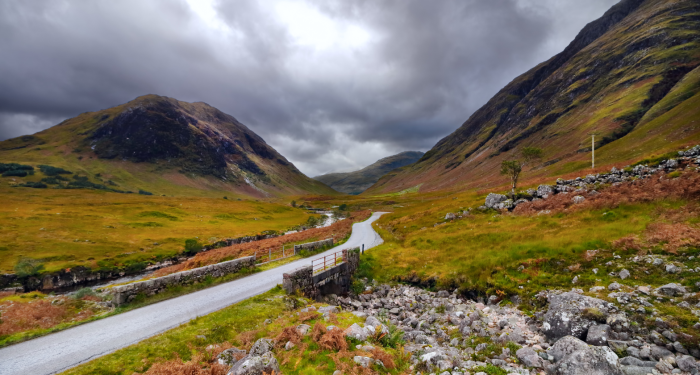
The rental car kicked up dust as it wound through the narrow roads of the Alentejo region, past cork trees and rolling hills that seemed to stretch forever. I'd booked the cottage on impulse, three days after he'd packed his things and left our shared apartment. Not out of heartbreak, really. More like instinct. The kind that tells you to run when you've been holding your breath for too long.
That first week, I kept busy. I scrubbed the already-clean stone floors, reorganized my suitcase twice, and made elaborate meals for one. I called friends back home, keeping my voice bright and assuring everyone I was "doing great, actually!" And I was, sort of. The relief of not walking on eggshells anymore was immediate. No more careful conversations about my writing schedule. No more apologizing for working late on an article.
But by week three, something shifted. During one of my afternoon walks through the olive groves, tears started falling. Not the ugly-cry kind I'd expected after a breakup. These were different. They came with this overwhelming, almost frightening sensation in my chest. It took me a while to recognize what it was: freedom. Real, terrifying, beautiful freedom.
When comfort becomes a cage
You know that feeling when you've been wearing shoes that are just slightly too small? You don't notice the discomfort until you take them off and feel your feet expand back to their natural size. That's what those first weeks in Portugal taught me about my relationship.
I'd spent three years making myself smaller. Not in obvious ways. He never told me to stop writing or to turn down opportunities. But there were sighs when I mentioned a new project. Comments about how "obsessed" I was with my work. The way he'd say "must be nice" when I shared good news about my career.
Looking back, I can see how I'd started editing myself. Downplaying my excitement about hitting publication goals. Working in secret early mornings so he wouldn't feel neglected. Even considering turning down a book deal because the timeline would be "stressful for us."
The thing about these invisible cages is that we often build them ourselves. We think we're being considerate, compromising, loving. But somewhere along the way, consideration turns into self-abandonment. And you don't realize how much of yourself you've given away until you're alone in a foreign country, crying from the shock of remembering who you actually are.
The terror of having no one to blame
Here's what nobody tells you about breaking free: it's absolutely terrifying to realize you're fully responsible for your own life.
In that cottage, with spotty WiFi and only the occasional neighbor walking by, I had to face something uncomfortable. I'd been using the relationship as an excuse. An excuse not to fully commit to my writing. An excuse not to take bigger risks. An excuse to play it safe.
When you're accommodating someone else's comfort level, you get to avoid asking yourself the hard questions. What do I actually want? What am I capable of? What if I fail and have no one to blame but myself?
I spent one entire day just sitting with that fear. No distractions, no busy work. Just me and the terrifying possibility that I could do whatever I wanted. That I could write until 3 AM if inspiration struck. That I could pursue the challenging stories I'd been avoiding. That I could be as ambitious and driven as I naturally am without apologizing for it.
The freedom was intoxicating and nauseating in equal measure.
Rediscovering your natural rhythm
By the end of week three, something beautiful started happening. Without the constant negotiation of living with someone who operated on a different frequency, I began finding my own rhythm again.
I wrote when the words came, whether that was dawn or midnight. I ate when I was hungry, not at "normal" meal times. I took long walks without explaining where I was going or when I'd be back. I cried when I needed to cry and laughed at my own jokes without wondering if they were funny enough.
This might sound small, but these tiny acts of autonomy were revolutionary for me. Each decision I made without consulting anyone else was like flexing a muscle that had atrophied. Each time I honored my own instincts without second-guessing them, I felt more like myself.
I remembered the person I'd been before I'd learned to dim my light. The one who'd left a six-figure salary because the pull toward writing was too strong to ignore. The one who could run for hours just to feel the freedom of movement. That version of me had gotten lost somewhere between "we need to talk about your work schedule" and "you care more about your career than us."
The difference between alone and lonely
People kept texting to check if I was lonely. Was I okay by myself? Did I need company?
But here's what I discovered in those Portuguese hills: there's a massive difference between being alone and being lonely. I'd been lonelier in my relationship, constantly translating myself into a more palatable version, than I was in that cottage with only my thoughts for company.
Solitude, when chosen rather than imposed, is a gift. It's space to hear your own thoughts without the constant static of someone else's expectations. It's permission to take up all the room you need without apologizing for it.
I started having conversations with myself on those walks. Not in a concerning way, but in a reconnecting way. What did I think about that article I'd read? What was my actual opinion on that situation with a friend? What did I want my life to look like in five years?
The answers came clearly once I stopped filtering them through the lens of what would work for "us."
Final thoughts
That month in Portugal ended, of course. I came home to the empty apartment, to friends who were relieved to see me "doing so well," to a life that needed rebuilding. But I came back different.
Those tears in the olive grove had washed away more than just a relationship. They'd cleared out years of accumulated compromises, subtle self-betrayals, and the dangerous comfort of playing small.
Freedom, I learned, isn't just about leaving something behind. It's about the terrifying and exhilarating moment when you realize you can move toward anything you want. When there's no one else's timeline to consider, no one else's comfort zone to respect, no one else's dreams to accommodate.
Some days I still feel that terror. The weight of being fully responsible for my own happiness and success. But mostly, I feel grateful for those weeks in rural Portugal, for the breakdown that became a breakthrough, for the tears that weren't about loss but about finally, finally being found.
If you're reading this from inside your own invisible cage, know this: the door has always been open. The lock was on the inside all along. And yes, stepping out will be terrifying. But on the other side of that terror?
That's where your actual life begins.
What’s Your Plant-Powered Archetype?
Ever wonder what your everyday habits say about your deeper purpose—and how they ripple out to impact the planet?
This 90-second quiz reveals the plant-powered role you’re here to play, and the tiny shift that makes it even more powerful.
12 fun questions. Instant results. Surprisingly accurate.