
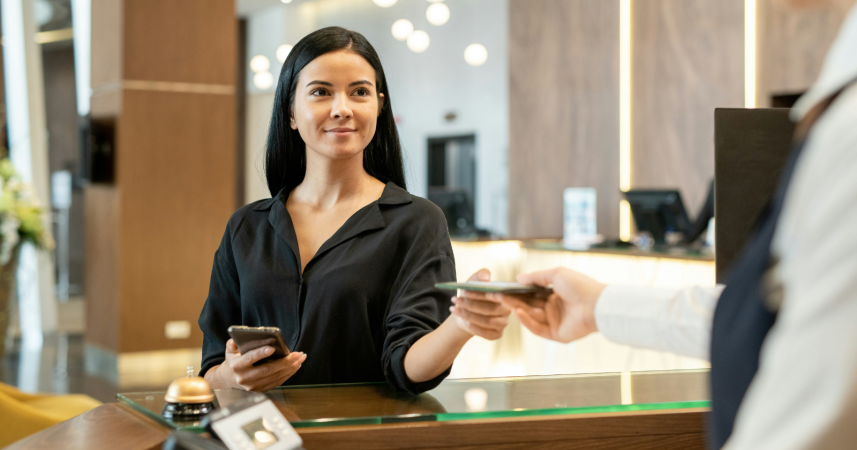
From hoarding tiny shampoo bottles to treating the continental breakfast like an all-you-can-eat buffet, these unconscious behaviors create a fascinating map of class dynamics that most people never notice, until now.

Add VegOut to your Google News feed. 
Growing up in suburban Sacramento, my family stayed in plenty of budget motels during road trips. Those experiences taught me that hotels are fascinating microcosms of social behavior.
After years of observing people in lobbies, breakfast rooms, and poolside areas, I've noticed certain patterns that often reveal someone's socioeconomic background without them saying a word.
These behaviors aren't inherently good or bad. They're simply habits formed by different life experiences and financial realities. Understanding them helps us recognize our own unconscious patterns and maybe even question why we do what we do.
1. They grab extra toiletries like they're preparing for the apocalypse
You know that moment when housekeeping restocks the tiny shampoo bottles? Some folks treat it like Black Friday at Target.
This behavior stems from a scarcity mindset. When you've grown up counting every penny, "free" anything triggers an automatic hoarding response. Those little soaps and lotions represent value that shouldn't be wasted.
I've seen people stuff their bags with every tea bag, sugar packet, and shower cap available. They're not being greedy. They're maximizing value from an experience that might not come around often.
2. They eat breakfast like it's their main meal
Ever notice how some guests absolutely demolish the continental breakfast? Multiple trips, plates piled high, pockets mysteriously bulging with muffins?
When you're used to budgeting carefully, a "free" meal is an opportunity to fuel up. They're not just eating breakfast. They're potentially covering lunch too.
This mindset comes from genuine financial planning. Why spend $15 on lunch when you can wrap up that bagel for later?
3. They photograph everything obsessively
The lobby, the elevator, the room number, the view from the window, the bathroom. Every single detail gets documented.
Hotels might be routine for frequent travelers, but for someone who rarely stays in them, it's an event worth preserving. These photos become proof of a special experience, something to share with friends and family who might not get these opportunities.
There's something deeply human about wanting to capture moments that feel extraordinary, even if others might find them mundane.
4. They bring their own food and drinks
Coolers in the parking lot. Grocery bags in the room. The mini fridge packed with supplies from home.
When you're used to $3 sodas being an unthinkable luxury, that $8 hotel vending machine Coke might as well cost $100. So they come prepared.
My grandmother, who raised four kids on a teacher's salary, taught me this one. "Why pay hotel prices when Walmart is right down the street?" Financial wisdom often looks like a cooler full of sandwiches.
5. They use every single amenity available
Pool closes at 10 PM? They're there at 9:45. Fitness center? They'll check it out even if they don't exercise. Business center with a free computer? Time to check email.
When you're paying for something special, you want to extract every ounce of value. It's not about needing these amenities. It's about not wanting to miss out on something you've paid for.
This maximization mindset is actually pretty smart when you think about it. Why not use what you're paying for?
6. They tip inconsistently or not at all
Here's where things get uncomfortable. Tipping culture in hotels can be confusing for people who rarely navigate these spaces.
Do you tip housekeeping? How much? What about the shuttle driver? The person who brings extra towels?
When you're already stretching your budget for the room itself, additional tipping can feel overwhelming. It's not stinginess. It's often genuine confusion mixed with financial anxiety.
I've mentioned this before, but understanding social expectations around money requires exposure to those situations. Without that exposure, people default to what feels safe financially.
7. They're overly impressed by basic features
"Look, the TV has HBO!" "This shower has two shower heads!" "They have a coffee maker right in the room!"
Standard hotel amenities become exciting discoveries. What seems routine to frequent travelers feels luxurious to someone whose hotel stays are rare treats.
This enthusiasm is actually refreshing. When did we become so jaded that a nice view or a comfortable bed stopped being worth celebrating?
8. They hang out in the room instead of exploring
Paid for a vacation but spending it watching TV in the hotel room? It happens more than you'd think.
When the room itself is the luxury, why leave? Especially if exploring means spending more money on activities, restaurants, or transportation.
The hotel room becomes the destination, not just accommodation. That king-size bed, cable TV, and air conditioning might be significant upgrades from home.
9. They negotiate everything and ask about every charge
"Is parking really $20?" "Can you waive the resort fee?" "Is there a cheaper room available?"
Every dollar matters when you're counting them. They'll question charges that others might not even notice. They'll ask about discounts others would be embarrassed to mention.
This vigilance comes from necessity. When you've learned to stretch every dollar, you don't stop just because you're on vacation.
10. They treat staff with extreme deference or suspicion
Two extremes often emerge. Either they're overly apologetic and grateful for basic service, or they're suspicious that staff might judge or take advantage of them.
Both responses come from unfamiliarity with service dynamics. When you're not used to people serving you, it feels uncomfortable. You either overcompensate with gratitude or armor up with defensiveness.
Class anxiety is real, and hotels are spaces where those anxieties become visible.
Wrapping up
These behaviors aren't flaws to be corrected. They're adaptations to economic realities. They're strategies developed by people making the most of rare opportunities.
Next time you're in a hotel, pay attention to your own habits. What do they reveal about your background and experiences? Are you judging others for maximizing their experience differently than you would?
Understanding these patterns isn't about labeling people. It's about recognizing that we all carry our histories with us, especially in spaces designed for temporary luxury.
Maybe that person stuffing their bag with tea bags is remembering lean times. Maybe that family photographing the elevator is creating memories they'll treasure. Maybe those behaviors you find odd or embarrassing are actually pretty rational responses to different life circumstances.
Hotels might be temporary spaces, but the class dynamics they reveal are permanent parts of our society. Recognizing them is the first step toward understanding them.
If You Were a Healing Herb, Which Would You Be?
Each herb holds a unique kind of magic — soothing, awakening, grounding, or clarifying.
This 9-question quiz reveals the healing plant that mirrors your energy right now and what it says about your natural rhythm.
✨ Instant results. Deeply insightful.

Avery White
Formerly a financial analyst, Avery translates complex research into clear, informative narratives. Her evidence-based approach provides readers with reliable insights, presented with clarity and warmth. Outside of work, Avery enjoys trail running, gardening, and volunteering at local farmers’ markets.
More Articles by Avery










