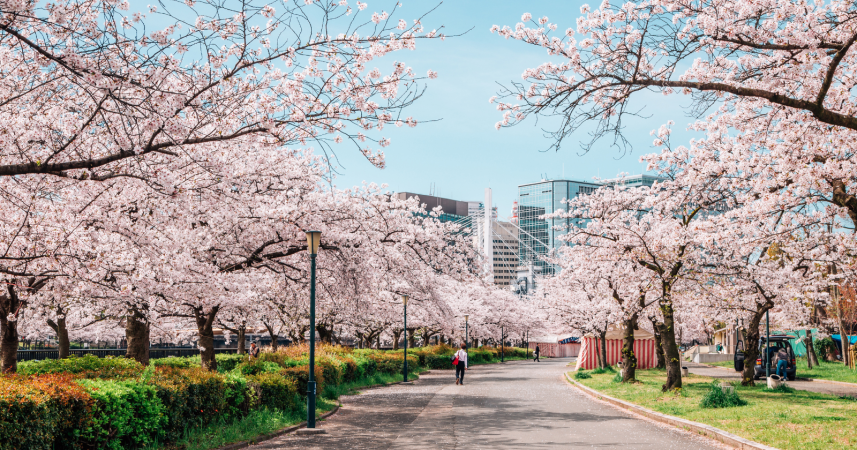
Getting older didn’t dim the light—it just taught me to find it in smaller, steadier places

Add VegOut to your Google News feed. 
The first time a Japanese idea saved my day, it was a Tuesday and I was bleeding—only a little—from a careless nick on a sashimi knife. A retired regular from Kyoto, gentle and exact, was perched at my bar watching the pre-dinner storm gather.
I apologized for the imperfect cut. He held up a hand, smiled, and said, “Wabi-sabi, Daniel. The crack is part of the cup.” He meant: breathe. Fix what matters. Accept the rest. We plated the fish. Guests were happy. I stopped trying to bully the world into flawless.
I’m late thirties, not seventy. But I ran restaurants long enough to watch older regulars who aged like they knew a trick. Many of them carried Japanese principles in their pocket—calm, sturdy, usable ideas—not as exotic philosophy, but as workaday guidance. Here are seven I’ve adopted and adapted. No incense required. Just a willingness to live Tuesday like it matters.
1. Ikigai as a small, daily reason to rise
Ikigai gets translated as “reason for being.” I prefer “the thing that makes your morning make sense.” It doesn’t need to be grand. It needs to be specific and repeatable. A short walk to the same coffee cart. Sketching one awkward tree. Calling your sister before the day starts taking hostages. As we age, the giant goals (titles, trophies) matter less. The micro-purposes matter more because they actually happen.
I keep a tiny ikigai list on my fridge: write one clean paragraph, make soup on Thursdays, send one thank-you note. That’s it. Happiness grows when the ladder to it has short rungs.
How to use it today: pick one fifteen-minute task that makes the day feel used, not just filled. Put it before email. Let it stamp your morning with meaning while the world is still quiet.
2. Wabi-sabi means loving the useful crack
Wabi-sabi is the beauty of imperfection, the charm of wear, the relief of real. Aging is wabi-sabi written on a face, a home, a calendar. We can mourn the scuffs or enjoy the patina. One choice hurts. The other makes room for joy to sit down.
In restaurants, the nights that sang weren’t the spotless ones; they were the ones where the team adapted. A chipped plate retired without drama. A recipe flexed because basil looked tired. Guests felt that grace. So did we. At home, the same rule saves my sanity. The dented pan that browns best is my favorite. A wrinkle in a shirt is not a character flaw; it’s proof the shirt has a life.
How to use it today: practice “good enough, then present.” Send the note with one imperfect sentence. Host with soup and a candle, not a seven-course apology. Beauty likes honesty.
3. Kaizen is progress you can measure with a pencil
Kaizen is continuous improvement, small and steady. The opposite of New Year’s resolutions you abandon by February. It’s fixing one squeaky hinge a week, not rebuilding the house in a weekend. It’s two sets of push-pull with light dumbbells, not a heroic gym saga that scares your knees. Aging bodies and brains adore kaizen because it respects reality and compounds wins.
When we introduced kaizen in my kitchens, mistakes dropped and morale climbed. We changed one station at a time, one checklist at a time. At home, I kaizen my mornings: glass of water before coffee, five ankle circles before shoes, one paragraph in the same notebook. The list is humble. The days feel sturdier.
How to use it today: choose one thing you can do three times a week for five minutes. Do it for a month. Track it with checkmarks your inner child will enjoy. Add later. Not today. Today you win small.
4. Ma is the power of the pause
Ma is the space between things—the silence that lets the note ring. Western life sells us more, faster, louder. Ma says, try less, slower, quieter. Not as an aesthetic, but as a survival skill. Most of my worst decisions happened in the absence of ma. I filled every gap and called it productivity. It was noise.
Now I build ma into the day like a line break. Five minutes between calls. Three breaths before I answer a text that wants to pick a fight. A fifteen-minute “bench appointment” in the same spot, no headphones, count the crosswalk chirps. The pause is not empty. It’s where attention catches up, where anxiety loses its microphone, where delight sneaks in.
How to use it today: put a buffer on your calendar that is not up for negotiation. Label it “walk around the block.” Protect it like a meeting with someone who could change your life. Because that someone is your nervous system.
5. Ichigo ichie teaches you to treat moments like rare fruit
Literally, “one time, one meeting.” You will never have this exact coffee, with this exact light, in this exact mood, with this exact person again. That isn’t pressure. It’s permission to be present. Aging clarifies this. The days are not endless. Which makes each ordinary scene quietly precious.
A retired couple used to dine at my place on the first Friday of every month. Same table, same roast chicken, always a toast: “To new versions of old things.” That’s ichigo ichie as a marital policy. They were not chasing novelty to outrun time. They were honoring the unrepeatable quality of tonight—the server’s joke, the thunder outside, the way the greens tasted a bit more peppery. Their happiness felt sober and bright.
How to use it today: name one detail out loud in a moment you’d normally rush. “This tea smells like apricot.” “The rain sounds like applause.” The sentence anchors you. The memory will be sharper later.
6. Omoiyari is empathy with a bias for action
Omoiyari is “thinking of others,” but it’s more than a feeling. It’s anticipatory kindness. Noticing the small friction in someone else’s day and removing it without making a speech. As we age, our circles can shrink. Omoiyari keeps them warm. It also rebounds—helpfulness has a way of boomeranging back when it’s least expected.
In service, the best version of omoiyari was a server who refilled a water before the guest asked, moved a chair for a stroller before the parent looked around, scribbled a “congrats” on a dessert plate without asking the host for permission to be human. At home, it looks like texting “headed to the market, need anything,” labeling leftovers, leaving the good pen by the crossword.
How to use it today: choose one person and remove one pebble from their shoe. Don’t ask for gold stars. The act will polish your day whether or not anyone notices.
7. Shoshin gives you back your beginner’s joy
Shoshin is “beginner’s mind,” the stance of interest over expertise. Expertise is great until it calcifies. Beginner’s mind makes aging feel lighter because there’s less to defend. You get to be curious again, which is half of happiness.
I’m terrible at watercolor. I love being terrible at watercolor. The point is not improvement charts. It’s the way time changes texture when I sit on a step and paint a lopsided tree. I notice the breeze. I hear my own breath. I meet a nine-year-old who confidently informs me I forgot a branch, and she’s right. That little conversation does more for my mood than a dozen likes on anything.
How to use it today: pick a skill you’re allowed to be bad at—harmonica, basic Thai phrases, bread baking, bird ID by song. Give it fifteen minutes. Resist the urge to monetize or post. Keep your joy private for once. It will grow faster that way.
Two quick scenes where these principles saved me
The late-night almost-argument
My wife texted that I’d be home late again. I was tired and tempted to fire back a defensive paragraph. Ma stepped in. I stood outside the back door and counted ten breaths, then used omoiyari: “I’m closing in ten. Do you want tea or quiet when I get in?” She picked tea. We shared exactly seven minutes at the table like a tiny ceremony. Ichigo ichie stamped the night: unrepeatable, tender, enough. No long talk needed. Just a pause, a kind offer, and the choice to see the scene as once-in-a-life instead of another logistical skirmish.
The broken bowl at service
A runner dropped a stack of plates before the dinner rush. That sound can sour a room. Wabi-sabi reframed it: the crack is part of the cup. We swept, laughed once, reset the pass, then kaizen’d the station—rubber mat, different stack height, one extra towel for grip. Shoshin kept our tone playful: “New method, let’s learn.” The night went on to be one of our best. The mistake became a design improvement, not a ghost that haunted everyone’s shoulders.
Final thoughts
Japanese principles aren’t magic; they’re posture. Ikigai gives you one clean reason to get out of bed. Wabi-sabi lets you love what’s real instead of grieving what’s perfect. Kaizen builds sturdy days out of small wins. Ma returns your breath before your opinions. Ichigo ichie turns ordinary minutes into events worth remembering. Omoiyari warms your circle without fanfare. Shoshin frees you from defending a stale version of yourself.
You don’t need to adopt all seven by sundown. Pick two. Put them on Tuesday. Let them run long enough to become boring in the best way. Happiness at any age isn’t a spike; it’s a rhythm. And if you forget, picture a man eating mango on a bus, grinning like he knows something. He does. The spark doesn’t vanish. It moves its hiding place into small, honest practices. Find yours. Then repeat.