Kids of a good mom remember the quiet rituals of care: steady rules, soft goodbyes, clean apologies, and the gentle “try again” that sticks for life
The summer I learned to ride a bike, my mother ran alongside me in flip-flops, one hand steady on the seat, the other waving away my panic.
We were on a cracked cul-de-sac that smelled like hot asphalt and garden hose water.
I remember the way her voice stayed calm while my legs wobbled. “Look where you want to go.” I did. For three glorious seconds I was flying.
Then I crashed into the neighbor’s hydrangeas and came up laughing, knees peppered with gravel, my mother already there with a damp paper towel, saying the line she always used when we tried anything new: “Again.”
I think about that afternoon whenever I write about memory. Not the big cinematic moments, but the tiny ones that hang around because they shaped how we feel about the world.
If you grew up with a good mother, there are certain traces that do not fade. They show up in your voice when you comfort a friend.
In the meal you make when someone is tired. In the way you hold a boundary. They are proof that caretaking is a set of practiced rituals, not perfection.
Here are ten things children of a good mother will always remember about their youth.
1) The texture of ordinary care
It is funny how much you remember with your hands. The cool side of a pillow she flipped for you on a fever night. The tug of a comb while she said, “Almost done.” The soft snap of fresh sheets on a Saturday morning. None of this is Instagram-worthy. All of it becomes the fabric of safety.
Children internalize steady care as “the world is mostly reliable.” That sense of reliability shows up later when you trust your own routines. You clean your counters and it feels like a complete thought. You text when you are running late. You rest because someone once insisted rest was part of the plan.
2) The taste of something made just for you
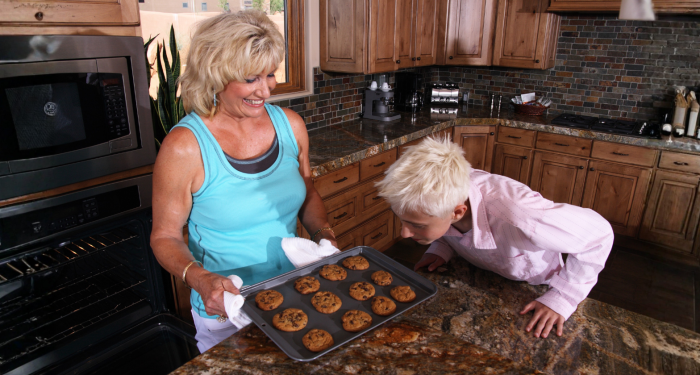
Every family has a go-to comfort. Maybe it was soup on rainy days or toast triangles when you were sick. In our house it was a simple vegetable stew with warm bread from the corner bakery. As a vegan adult, I still cook versions of it on heavy weeks. The point is not the recipe. It is the message: “I see your need. I can meet it.”
Kids remember the specificity. The way she knew you liked the crust cut off or the apple sliced thin. That attention trains you to notice other people’s preferences. You end up being the friend who remembers someone takes their tea with lemon. Quiet hospitality becomes second nature.
3) The rules that actually kept you free
Good mothers have a talent for guardrails that do not feel like cages. Maybe it was a curfew with a built-in grace period if you called ahead. Maybe it was a standing rule that everyone ate together on Sundays, phones away. The structure seemed annoying then. It reads like love now.
Children remember rules that were explained instead of barked. “We lock the door because it keeps our home safe.” “We tell the truth because trust is hard to rebuild.” That kind of reasoning becomes your inner voice. Later, when you set boundaries at work or in relationships, you hear that clear tone: firm, fair, and not dramatic.
4) The sound of being believed
One of the bravest moves a mother can make is to believe her child first. Not blindly, but with the presumption of honesty. “Tell me what happened, and we will figure it out.” That sentence is a shelter. You never forget the relief of being listened to before being judged.
When children carry that into adulthood, they tend to listen more than they lecture. They know how to hold space for complicated stories. They can separate behavior from identity. That came from someone who looked at their small self and said, “Your experience matters. I hear you.”
5) The apology that taught you how to repair
Good mothers get it wrong too. The difference is what happens after. I still remember the first time my mother apologized to me like an equal. She had snapped at me after a long day, then later knocked on my door. “I was unfair. I took my stress out on you. I am sorry.” No excuses. No blame. She owned it, then made it right by sitting and asking about my math test.
Children of good mothers remember that repair more than any single mistake. It teaches you how to be human without shame. You learn the steps: name what happened, name the impact, make amends, adjust. That script will save friendships, marriages, and teams.
6) The way work and rest shared the same house
A lot of us grew up with mothers who did ten invisible jobs before breakfast. The ones who did it well also made room for rest and for joy.
She might have folded laundry while telling a funny story. She might have taken you on errand-dates that ended with a library stop. She might have taken Sunday naps and defended them like a court case.
Kids remember that balance. You absorb the idea that a good day includes both effort and ease. As an adult, you learn to stack tasks, then step outside for light. I trail run for that same reason. Pace over push. Sustained energy over heroic sprints. That rhythm feels familiar because someone modeled it.
7) The confidence you borrowed until your own arrived
When I applied for my first finance job, I almost talked myself out of it. My mother, who did not work in that world and had no love for spreadsheets, did not flinch. “Send the application. You can learn on the job. They would be lucky to have someone who cares as much as you do.” She kept her voice steady and practical. I borrowed that steadiness like a jacket I had yet to grow into.
Children remember the phrases mothers repeat in doorways, parking lots, and car rides. “You do not have to be ready, you have to be willing.” “Be kind. Be clear.” “Look where you want to go.” Those lines become mantras. You repeat them to yourself when you change careers, send a scary email, or end something that needs ending.
8) The rituals that stitched days together
Rituals are how children learn time. A song while putting on shoes. Two questions at dinner: “What did you notice?” and “Who did you help?” A candle on dark mornings. These small repeats make life feel coherent, even when money or circumstances were tight.
If you had a good mother, you remember the shape of your days as much as the events inside them. You likely carry a few of those rituals forward. Maybe you do a Sunday soup. Maybe you say the same three lines before a big exam or a tough conversation. Rituals become the scaffolding you hang courage on.
9) The way she liked you for exactly who you were
Love is crucial. Liking is magic. Children can tell the difference. Love says, “I will always be here.” Liking says, “I enjoy your company.” Good mothers do both. They laugh at your odd jokes. They sit on the floor and build lopsided forts. They ask about your obscure interest and mean it.
Kids remember being interesting to their mother, not just managed by her. That memory grows into a quiet baseline of self-worth. You do not spend adulthood auditioning. You already know what it feels like to be chosen on a random Tuesday afternoon, just because you walked into the room.
10) The exits that were gentle, not abrupt
A lot of parenting happens in transitions. Waking up, leaving the park, turning off the TV, saying goodbye at school. Good mothers learn the art of soft exits. Five-minute warnings. Clear choices. A hug and a hand wave that stays until the door closes. The message is, “You can handle change. I am not disappearing.”
Children remember those exits in their bodies. They carry the ability to close loops without making messes. They can end a meeting on time with a kind summary. They can leave a party without Irish goodbye drama. They can grieve properly because they were taught that goodbye is an act of care, not avoidance.
You might notice what is missing in these memories. There is no talk of perfect holidays or elaborate vacations. It is mostly tone, timing, and presence.
Which is good news, because those are available even when money is not. Presence is a skill you practice. Tone is a muscle you build. Timing is a habit you refine with lists and alarms.
If your mother gave you these things, you are likely passing them on without thinking. If she did not, you can still learn them.
I have watched friends become the mothers they needed, teaching themselves to pause, to apologize, to label big feelings without fear.
I have watched fathers learn the same skills and teach them forward.
Care is not genetic. It is taught.
A few small practices you can start today if you want to braid this kind of memory into someone’s life:
- Use names gently and often. It says, “I see you.”
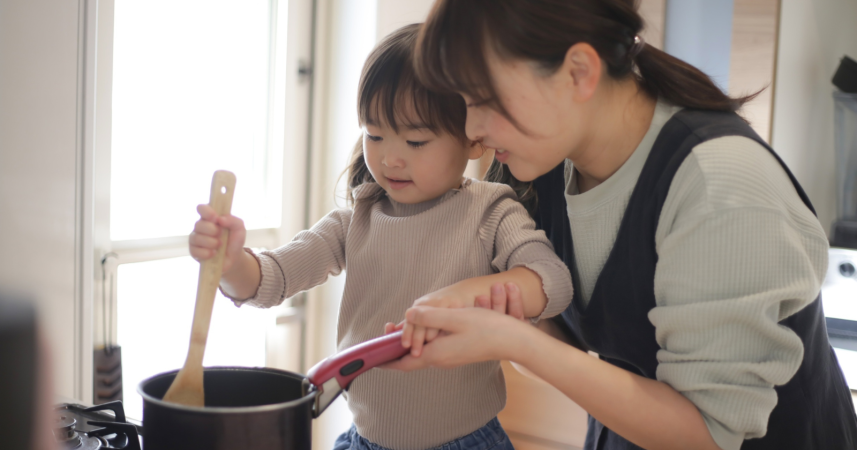
- Narrate what you are doing when a kid is stressed. “I am getting the towel. I am here.”
- Offer specific choices. “Two books or one tonight?” Choice gives dignity.
- Build micro-rituals. A song for shoes. A line for goodbyes. A question for dinner.
- Apologize cleanly when you slip. Then repair with action, not just words.
- Protect your rest so you have something real to give. Tired care becomes brittle.
- Keep a small “comfort kit” at home. A thermometer, favorite tea, a worn blanket, a good story.
- Say what you see when kids try. “You kept going even after you fell. That is brave.”
I still ride past that old cul-de-sac sometimes on my way to the trail. The hydrangeas are taller now. The asphalt is still cracked. I can picture my mother jogging in her flip-flops, laughing when I crashed, certain that a scraped knee was part of the deal. The gift was not the bike. It was the framing. “Again.” Try again. Try with me. Try is not failure, it is the path.
That is how good mothers build memory. Not with speeches, but with a thousand small, repeated acts that say, “You are safe. You are seen. You can do hard things. I will be here while you learn.”
Final thoughts
Children of a good mother remember textures, tastes, rules with reasons, apologies that repaired, and exits that were kind.
They remember laughter in small rooms, rituals that stitched mornings and nights, and the confidence they borrowed until their own arrived.
Most of all, they remember being liked for who they were, not for performance. Those memories become maps. They guide how we care for partners, friends, teams, and our future selves.
If you want to honor that legacy, keep it simple and steady. Make the soup. Flip the pillow. Set the guardrail and explain it. Believe first. Apologize clean. Rest on purpose. Build little rituals. Notice what makes someone uniquely them.
And when the world wobbles, say the word that kept you moving as a kid: again.