What once screamed success now reads like cutter to younger folks, who prize time, ease, and the planet over brochures, badges, and big lawns.
There is a particular kind of silence that falls at family dinners when a parent is proudly showing off something they swear everyone still wants.
Last summer, at my aunt’s birthday, my dad pointed at a glossy brochure for a golf club membership and said, “Now this is living.” My younger cousins looked down at their phones and tried to be polite. I understood both sides.
I grew up lower-middle-class where certain trophies meant safety and status.
But after years as a financial analyst, and now as a writer listening to younger readers every day, I can tell you a lot of those old signals don’t land the way Boomers think they do.
It is not about dunking on an entire generation. It is about noticing what status means now.
Many younger people prize time freedom, environmental impact, mental health, and authenticity.
They will still admire quality and craft. They just cringe at symbols that feel performative, extractive, or out of touch with how people actually live.
Here are ten classics that once turned heads and now often trigger a quiet wince.
1) The giant suburban house
For many Boomers, the big house in the right zip code was the badge. Bigger kitchen, bigger lawn, bigger mortgage. Younger people often see a chore list. More rooms to heat and cool. More hours of maintenance. Longer commutes. Less neighborhood walkability.
What signals status now is thoughtful space that fits your life. A small place near a park. A duplex where you can rent the bottom unit. A layout optimized for daylight and quiet, not square footage bragging rights. Younger folks tend to ask, “How easy is this to live in?” not “How impressive is this from the street?”
2) The luxury car in the driveway
I grew up thinking a German badge meant you had made it. Many younger people see a depreciating asset that eats cash. They also clock the cognitive dissonance of hearing climate talk at brunch and idling an SUV for ten minutes to keep the leather cool.
What reads as tasteful now is a well-kept vehicle that matches the use case. A reliable hybrid you maintain on schedule. A used wagon with a bike rack and no rattles. Or no car at all because you live near transit and would rather allocate money to savings or travel. The point is function and footprint, not flaunted horsepower.
3) Wall-sized entertainment centers
Remember the carved wood unit that swallowed a living room, jammed with DVDs, cable boxes, and enough cords to knit a sweater? Many Boomers still love the shrine to television. Younger people prefer rooms designed for conversation, daylight, and flexible work.
A clean console, a modest screen at eye level, a few good lamps, and hidden cables read as modern. A wall devoted to screens and speakers feels like a museum to sedentary evenings. The cringe is not about watching a show. It is about designing a home around consumption instead of connection.
4) Fine china and formal dining rooms
My grandmother kept a cabinet of plates that were too precious to use. Holidays were staged like theater, and then everything went back behind glass. Younger generations often do not want a sealed-off room and fussy place settings. They want a big table that welcomes laptops on Tuesday and soup on Sunday. They want plates that survive the dishwasher and kids.
If you love beautiful objects, let them earn their keep. A handmade ceramic bowl that joins you at breakfast every day is a flex. A dining room that only opens five times a year feels like square footage cosplay.
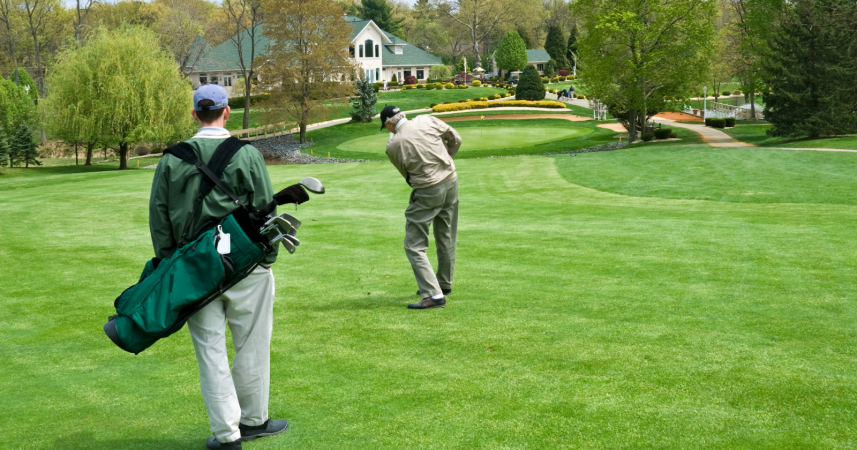
5) Golf club memberships as personality
For some Boomers, the club was the network, the calendar, and the evidence. Younger folks often see cost without community. Dues, dress codes, long hours away from family, and a social circle that looks copy-pasted. If you love golf, golf. The cringe comes when a membership is treated like a personality trait and a filter for worth.
Clout has shifted toward inclusive scenes. Community gardens. Pick-up soccer. Climbing gyms. Running clubs where you can bring your stroller and your dog. Being part of something open and local beats paying to feel exclusive.
6) The overstuffed leather office and title fetish
A giant desk, heavy leather chair, framed diplomas, and a nameplate that screams Vice President once said gravitas. Younger people grew up in open offices and on Zoom. Titles feel inflated. “Director of Strategic Alignment” does not impress as much as shipped work and sane hours.
The new status is autonomy and proof. A clean desk with a decent webcam and natural light. A calendar that shows deep work blocks. A portfolio link that loads fast. Titles are fine. Outcomes and health are better.
7) Designer logos everywhere
Boomer status often showed up as visible branding. Logo belts, monogram handbags, polo shirts with larger-than-life animals. Younger consumers are more label literate and also more skeptical. Many prefer stealth quality and small makers. The flex is knowing your cobbler, not broadcasting a brand.
A bag with perfect stitching and no shouting reads as taste. A jacket in natural fibers that gets better with age reads as confidence. Logos are not bad. Obsession with logos is the part that makes younger folks roll their eyes.
8) Business travel as a badge of honor
There is a specific smile some Boomers get when they compare airline statuses and hotel tiers. I wore it once. Then I realized free upgrades are compensation for missed bedtimes and dry skin. Younger workers are far more likely to ask for hybrid or remote, to stack calls in one morning and hike in the afternoon.
Travel can still be meaningful. Going somewhere on purpose, staying long enough to learn a neighborhood, meeting collaborators in person with a clear goal. Treating constant flights like a personality, or as proof of importance, is what makes younger people cringe. Rested, present colleagues are the new status symbol.
9) The perfect lawn
Chemically green grass trimmed to golf-course height used to signal control and pride. Younger folks see a thirsty monoculture. They think about pollinators, drought, runoff, and the Saturday hours lost to mowing.
The new flex is a yard with native plants and a messy edge that feeds bees. Raised beds with herbs. A small shade tree for birds. Rain barrels. Dirt under your nails from real gardening. I volunteer at a farmers’ market, and the people who bring the most joy to that space look like they live outside on purpose.
10) Owning for the sake of owning
Collectors’ cabinets. Storage units filled with “someday.” Three sets of golf clubs, four slow cookers, five vacuum cleaners. Boomers came of age in a time that celebrated accumulation. Younger generations came of age during recessions, climate anxiety, and the rise of the sharing economy. They optimize for access, not inventory.
Borrowing a tool from the neighborhood library, renting a dress, splitting a ladder with your building, or buying once and buying well. That is the vibe. Fewer, better, used often. Not more, stored forever.
Let me pause and say the quiet part. Much of the cringe comes from misaligned values, not from the objects themselves. A luxury car is not inherently cringey. A massive TV is not evil.
The rub is when those symbols are used as social currency while ignoring realities younger people live with daily. Student debt. Housing costs. Climate pressure. The mental health crisis. If you lead with empathy and curiosity, a lot of the generational tension dissolves.
A few practical swaps to bridge the gap:
- Trade square footage bragging for hospitality. Invite people over and feed them something simple and good.
- Trade lawn manicures for native plants. Show the grandkids a monarch chrysalis.
- Trade logo pileups for one heirloom-quality piece you maintain.
- Trade airline status stories for sleep, fitness, and being on time to your kid’s concert.
- Trade closed clubs for open communities. Join something where anyone can belong.
- Trade the storage unit for giving things a second life.
If you are a Boomer reading this and feeling defensive, I get it.
These symbols were hard won. They meant safety in a time when many families had very little.
My parents worked themselves ragged to move us up one rung. I respect the hustle. The invitation here is to update the code. To ask what status could mean now. Ease. Health. Time. Craft. Community. The next generation is watching how we define success. They are also teaching us.
If you are younger and rolling your eyes at your parents’ trophies, try a different approach at the next dinner. Ask what those things meant when they first bought them. Listen for the story under the symbol.
Fear, hope, pride, belonging. Then share what signals safety and pride to you. A short commute. Paid time off you actually take. A savings rate. A therapist. A balcony garden. You might find more overlap than you expect.
Here is the thing about status. It is always a story. The plot changes with the culture. The characters age. The setting shifts. Hanging on to a past chapter makes you look stuck. Adapting makes you look wise.
A quick exercise if you want to reset. Write down three symbols you grew up admiring. Ask what each one solved for. Belonging. Security. Prestige. Then brainstorm three modern ways to solve for the same need.
A potluck circle that meets monthly. A cash cushion that covers six months of expenses. Volunteering where your skills matter. You are not discarding your values. You are updating how you live them.
Final thoughts
Boomers did not invent status symbols and younger generations will not end them. We are all signaling, all the time. The question is whether the signals match the lives we want now.
Big houses, luxury cars, entertainment shrines, fine china, gated clubs, leather offices, logo stacks, travel trophies, perfect lawns, and warehouses of stuff tell a story about what used to count.
Today, many of us want a different story. We want mornings with daylight and no commute. Work that pays and leaves us whole. Communities that include. Spaces that are easy to care for and kind to the planet.
If you feel that tug to prove yourself, try proving something that actually improves your days. Learn a craft. Plant a native tree. Sleep eight hours. Fix what you already own. Invite someone new to the table. Let your status be the life you have built, not the brochure you can wave.
That is the kind of flex that never goes out of style.
If You Were a Healing Herb, Which Would You Be?
Each herb holds a unique kind of magic — soothing, awakening, grounding, or clarifying.
This 9-question quiz reveals the healing plant that mirrors your energy right now and what it says about your natural rhythm.
✨ Instant results. Deeply insightful.