A farmer’s market is where eclectic personalities and one perfect peach remind you how to be a neighbor
The first Saturday I fell for a farmer’s market, I was a young line cook with a bad knife and a head full of opinions.
I showed up before sunrise, still smelling like last night’s garlic, and watched a truck back in with crates of tomatoes that looked like they could solve problems.
A farmer handed me a slice of peach, warm from the bin, and I forgot my to-do list. Years later, after owning restaurants, I still go for the same reason. Markets are where food meets people at eye level.
You taste an idea, you shake the hand that grew it, and you meet the whole cast of characters who make that little street theater work.
Here are ten personality types you meet at every farmer’s market.
If you recognize yourself in more than one, good. Markets are for shapeshifting.
1. The sunrise scout
They arrive when the tents are still yawning. Headphones around the neck, tote already half full, they know who brings the first strawberries and which baker sells out by 8:30. They do not strut. They glide. The sunrise scout believes freshness is a sport and they train by reading weather and soil like gossip.
Tell: a small notebook with supplier names, cash in exact bills, and a practiced smile that gets them the last bunch of chives.
Why they matter: they keep farmers honest and excited. Scouts ask, “What looked best at harvest,” and then come back next week to report how it cooked. Farmers remember that.
Quiet tip: follow them once, gently. Not to hover, but to see which stalls they hit first. You will learn the market’s heartbeat.
2. The kale poet
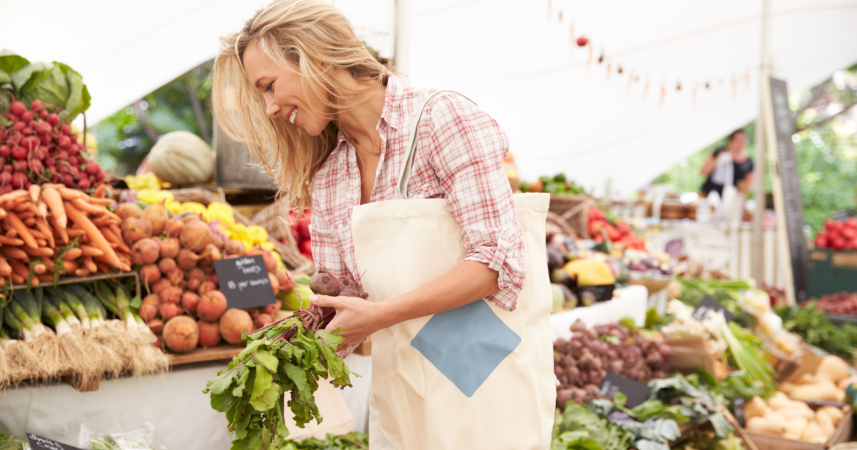
They pick up greens the way some people pick up rare books. Thumb and forefinger, eyes half closed, whispering about ribbing and curl. They will tell you three ways to massage kale and one reason not to. They publish recipes for friends by text and believe lemon is a diplomatic solution to most salads.
Tell: a canvas tote with a sprig peeking out, a jar of tahini already at home, and the patience to wash sand from stems until it feels like meditation.
Why they matter: they make greens feel like good news. When the market tips toward pastries and flowers, the kale poet pulls you back to the stall that actually feeds you on Wednesday.
I once watched a kale poet talk a teenager into tasting raw lacinato with olive oil and salt. The kid nodded, surprised, then asked for seconds. That is public service.
3. The sample loop artist
They circle with precision. One cube of cheddar, one wedge of apple, a spoon of jam, a cracker with hummus, and a slow, appreciative nod. Then a polite retreat that looks final until you spot them again, twenty minutes later, same loop, slightly altered route.
Tell: a tourist smile even in their own neighborhood, a pocket for toothpicks, and a sincere “thank you” that keeps them welcome.
Why they matter: they create buzz without a marketing plan. A good sample loop artist is a moving advertisement for curiosity. Vendors notice their orbit and sharpen the bite table.
Upgrade: buy one small thing each loop. A single peach, a quarter wedge, a tiny jar. Support the graze.
4. The baguette swordfighter
Long loaf underarm, napkin like a flag, they thread through the crowd as if choreographed. If the band strikes up, they conduct. If a child points, they bow. Their bag always contains something that crumb trails.
Tell: flour on a sleeve, a plan to tear the crust before they reach the corner, and an opinion about which stall has the best butter.
Why they matter: they keep whimsy legal. Markets are practical, yes, but they are also permission to be delighted in public. The swordfighter models it.
Pro move: ask them where they got that loaf, then go buy two. One for the table, one for the last slice you will eat over the sink.
5. The tomato whisperer
They do not squeeze. They cradle. They smell the stem end, glance at the shoulders, and sort by destiny. This one will be a sandwich at noon. That one needs two sunny days. These three want to meet garlic and olive oil in a quiet pan.
Tell: calloused thumbs, a willingness to discuss acidity without turning into a lecture, and a paper bag because tomatoes hate plastic.
Why they matter: they teach patience. The whisperer knows a mealy tomato is a broken promise, and a ripe one is summer you can hold. They defend dignity with a nose and a calendar.
Quick kitchen rule they share: salt the tomato, then the cook. In that order.
6. The chef on a day off
Hat backward, sunglasses, tote that once held prep lists. They make a beeline for the familiar farmer, ask two questions, and then step aside to let everyone else through. You can spot them by the way they flip a pepper and bite the raw edge like it owes them nothing.
Tell: quiet respect for the stall, a fast scan of what is peaking, and a streak of competitive tenderness. They want you to buy the good stuff too, but they also want a few for themselves.
Why they matter: they are the bridge between field and plate. When a chef smiles at a crate, you just learned what to cook.
When I owned restaurants, my best notes came from market mornings. A farmer would say, “The okra is singing today,” and the menu wrote itself.
7. The stroller caravan
Two parents, one toddler with a fistful of berries, a baby who sleeps through steel drums. The stroller is a ship and the market is the sea. They stop at flowers for a sniff, at honey for a story, at the knife sharpener to wave at sparks.
Tell: wipes, snacks, a strip of sunscreen on a nose, and the ability to fold a stroller with one hand while paying for peaches with the other.
Why they matter: they remind everyone that food culture is family culture. Kids who see carrots with dirt on them are more likely to eat carrots. That is science and also common sense.
Pro tip for them: let the toddler pick one vegetable. Ownership tastes good.
8. The flower diplomat
They move like a breeze. One bouquet for a friend, one for a kitchen, one single stem for someone who needs a reason to smile. They talk to growers about rain and color and know which bunch will open by Thursday. They have a vase at home for every mood.
Tell: arms full of color, cash ready, and a habit of gifting a stem to the person who let them cut in line with a soft, “You saved my morning.”
Why they matter: they turn the market into a generosity loop. Flowers are edible for the soul. The diplomat spreads that nutrition.
Small trick to steal: buy a tiny bunch for your desk. Even one marigold is a morale budget.
9. The preservationist
You see them hauling a crate of cucumbers, a flat of plum tomatoes, or ten pounds of peaches that will be jam by nightfall. They live by seasons and jars. Their kitchen smells like vinegar in August and cinnamon in late September. The market is their supply chain and their calendar.
Tell: a cart with big wheels, bulk buys, and a focused, friendly aura. They chat, but only after the haul is secured.
Why they matter: they keep the abundance from going to waste. Markets need people who buy in volume and know what to do with it. Their shelves are a museum of weather.
Free class: ask how they pick fruit for jam versus pie. You will learn more in two minutes than in three cookbooks.
10. The curious newcomer
They hover, then commit. First visit or first time paying attention, they ask real questions that vendors love. What is that. How do I cook it. Why is this more expensive than the store. They listen, try a sample, and leave with something they cannot pronounce yet.
Tell: a rental tote, wide eyes, sunscreen in a nose crease, and delight that breaks out in little gasps.
Why they matter: they are the market’s future. Every regular started as a newcomer. Their curiosity buys the next season.
Simple starter kit for them: one bunch of herbs, one fruit that smells like itself, one vegetable you have never cooked. Ask the vendor how to use all three tonight.
What the market gives you for free
You leave with food, sure. But you also leave with practice in being a better neighbor.
You learn to wait your turn without fuming, to meet strangers with eye contact, to ask for help clearly, to say thanks like you mean it. You remember that the best kind of luxury is a tomato that reminds you of August when it is still June.
If I sound sentimental, that is because markets earn it. They are the antidote to scrolling. You cannot click a peach. You have to pick it up, smell it, and decide.
That small decision is a vote for a kind of life where your senses are in charge and your money goes somewhere with a face.
Final thoughts
At every farmer’s market you meet the sunrise scout, the kale poet, the sample loop artist, the baguette swordfighter, the tomato whisperer, the chef on a day off, the stroller caravan, the flower diplomat, the preservationist, and the curious newcomer.
Some days you are one of them. Some days you are three. The categories blur, the food changes, the music drifts out of key, and somehow the morning still feels like a holiday that does not need decorations.
If you go often enough, you learn the secret. Markets are not about being the cleverest shopper or the most virtuous cook. They are about showing up with an open bag and an open face, paying fairly, and letting ordinary abundance make you generous.
The world is complicated. A good peach is not. Start there. Bring it home. Share it over the sink with someone you like. Then plan your next Saturday around a crate of tomatoes that looks like it could fix a day.