Small systems, steady rhythms, and simple joys—that’s the real luxury.
Happiness isn’t flashy. It’s quiet, consistent, and often hiding in the routines we overlook.
The people in my life who seem genuinely content—steady, not performative—share a handful of surprising habits. None of them require a ten-step morning routine or a villa in Bali.
They’re small. Repeatable. Human.
Here are nine underrated habits I see the happiest people living by. Steal the ones that resonate and leave the rest.
1. Protect margins
Happy people don’t schedule their lives like a Tetris game.
They protect white space on the calendar so the day can breathe. They leave ten minutes between calls. They resist the dopamine hit of “one more thing.”
That margin becomes room for a stretch, a snack, a short walk, or a minute to text a friend back with more than a thumbs-up.
When I started putting 15-minute buffers around meetings, two things changed fast. My patience went up. My mistakes went down. A small boundary gave me back presence.
Try this: block a standing “nothing meeting” at the start and end of your day. Don’t fill it. Let it protect you from spillover.
2. Name emotions
There’s a reason therapists ask, “Where do you feel that?” Labeling emotions reduces their intensity. When you give a feeling a name—“irritated,” “lonely,” “overstimulated”—you move from being inside the storm to watching it from the porch.
I keep a tiny list of feeling words in my notes app. When I’m off, I open it and pick one. Nine times out of ten, the act of naming lowers the temperature enough to choose a better next step.
Ask yourself out loud: “What is the dominant note right now?” Not the whole symphony—just the loudest instrument.
3. Touch grass
“Smile, breathe and go slowly,” advised Thich Nhat Hanh. It sounds simple because it is.
The happiest people I know physically change their context when their mind tightens. They step outside, feel sun on forearms, listen for a bird.
No podcast. No step count. Just contact with the real world.
When you’re swirling, take your shoes off and let your feet find a patch of ground.
If you can’t, try a “window break.” Stare far into the distance for thirty seconds. The nervous system loves horizons.
4. Practice micro-celebrations
Big wins don’t arrive daily. Progress does.
Happy folks celebrate tiny proofs of effort: sending the awkward email, choosing veggies over fries, showing up on time, shutting the laptop at a reasonable hour. They don’t wait for a promotion to feel proud. They create dozens of “nice job” moments in between.
My favorite trick: whenever I finish something I resisted, I say out loud, “That’s like me,” and smile. It’s cheesy. It works. Your brain tags the behavior as part of your identity.
Set a low bar for confetti. Then keep walking.
5. Practice generosity
Generosity is underrated because it looks like giving away energy. In reality, it multiplies it.
Happy people default to kindness: quick replies with context, unprompted thank-yous, forwarding opportunities, adding the “why” behind a request. It lifts others and quietly lifts them.
As Maya Angelou put it, “People will forget what you said, people will forget what you did, but people will never forget how you made them feel.” Drop one 30-second appreciation message each day. You’ll be shocked how quickly your world warms up.
Generosity includes boundaries, by the way. “No” can be one of the kindest words you use—especially to yourself.
6. Curate inputs
I’ve mentioned this before but it bears repeating: your information diet shapes your emotional baseline.
The happiest people prune the feeds that poke their nervous system. They unfollow outrage for sport. They subscribe to a few high-signal newsletters instead of doom-scrolling fifty tabs. They move junk apps off the home screen and put creative ones within thumb reach.
I recently deleted two social apps from my phone and replaced them with a note that opens to a running list: “What I noticed today.” My attention stopped sprinting. My ideas came home.
Audit what enters your head this week. Fewer inputs, better vibes.
7. Move daily
This is not about becoming an athlete. It’s about telling your body, “I’m on your side.”
Happier people treat movement like brushing their teeth. Short, regular, boring if needed. They take “movement snacks”—a brisk 10-minute walk between tasks, a set of squats while the coffee brews, a stretch while the file saves.
When I pair a daily walk with a no-phone rule, my inner monologue softens. The world gets bigger. Problems shrink to fit the sidewalk.
If you’re stuck, aim for “slightly out of breath, still conversational” for 10–20 minutes. Mood follows motion.
8. Savor simple meals
Food is one of the most reliable joy levers we have, especially when we slow down enough to notice it.
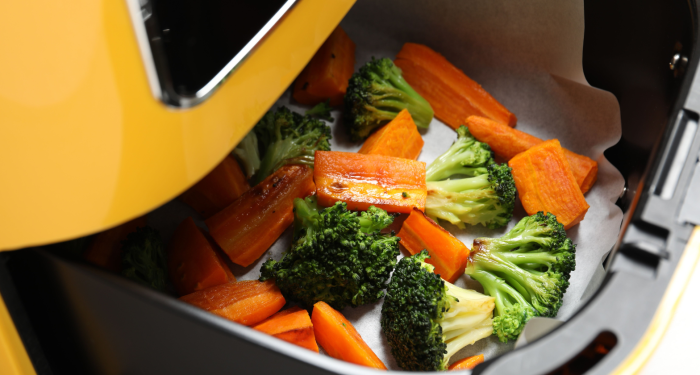
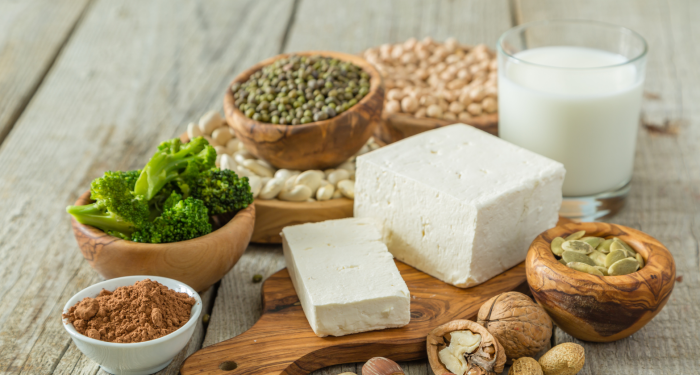
The happiest people I know keep a few simple, plant-forward meals on rotation that make their bodies feel light, not lethargic. They sit to eat. They take one mindful bite—the first one—and actually taste it. They keep fruit visible. They prep vegetables once and use them twice.
A small shift that changed dinner for me: I plate color. Greens + something orange or red + a grain. It nudges variety without overthinking. Gratitude comes easier when your senses are engaged.
If cooking isn’t your thing, pick one weeknight “assembly meal” you can make with eyes half closed. Save your decision-making for the rest of life.
9. Build small systems
Goals are destinations. Systems are the roads you take every day.
As James Clear puts it, “You do not rise to the level of your goals. You fall to the level of your systems.” The happiest people set up tiny, almost laughable systems that make the desired thing the default.
They lay out walking shoes by the door. They place a book on the pillow in the morning so Netflix has to fight past it at night. They create a shared grocery list with their partner so dinner doesn’t turn into guesswork.
I keep a yoga mat open near my desk. It looks messy. It also turns “I should stretch later” into ten seconds of hamstring love between tasks. That’s a system.
Start with one friction-removing system per habit. Small is sustainable. Sustainable is happy.
Final thoughts
Happiness isn’t a finish line. It’s a rhythm.
Pick one of these habits and live with it for a week. Then add another.
You’ll stack quiet wins, feel steadier in your own skin, and discover that contentment was never out there—it was waiting in the margins of your everyday life.
What’s Your Plant-Powered Archetype?
Ever wonder what your everyday habits say about your deeper purpose—and how they ripple out to impact the planet?
This 90-second quiz reveals the plant-powered role you’re here to play, and the tiny shift that makes it even more powerful.
12 fun questions. Instant results. Surprisingly accurate.
Related Stories from VegOut
- 9 things people who grew up in the 70s did on snow days that kids today will never replicate
- The conversation your adult children have had about you multiple times that they're waiting for the "right moment" to bring up—and why that moment keeps getting postponed
- The reason your adult children visit their in-laws more than they visit you has nothing to do with distance—and everything to do with these 7 things