
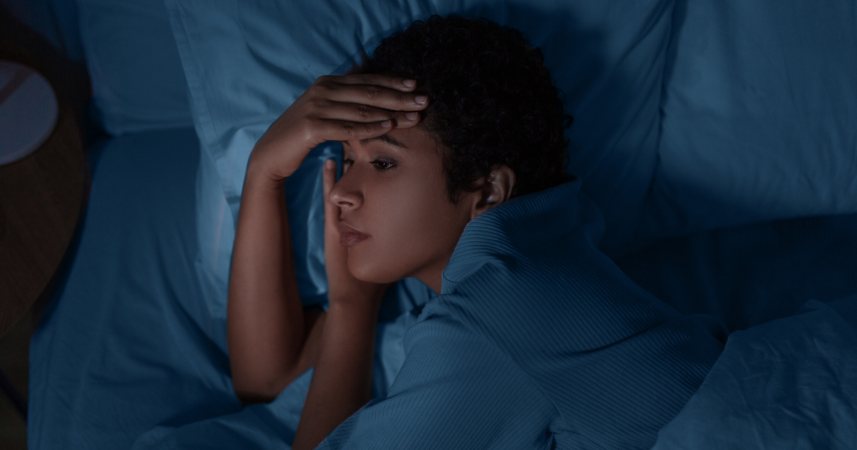
Those who've mastered the art of being their own 2am phone call possess an almost supernatural self-sufficiency — until they realize the very strength that saved them has quietly become the cage that keeps everyone else out.

Add VegOut to your Google News feed. 
There's something paradoxical about the people who've mastered being alone. They're the ones who never panic when their car breaks down at midnight, who travel solo to foreign countries without a second thought, who can sit with themselves in complete silence without reaching for their phone. They've built something remarkable out of necessity. Yet talk to them long enough, and you'll catch that flicker of something else, a kind of quiet ache they've learned to live with.
I've been thinking about this a lot lately, especially after filling another journal with observations about human connection and its absence. What happens when you spend years being your own emergency contact, your own cheerleader, your own 2am phone call?
The birth of a different kind of strength
You know that feeling when you're sick with the flu, living alone, and you realize you have to drag yourself to the pharmacy? Or when you get incredible news and look around your empty apartment with no one to tell? These moments stack up over time, creating something unexpected.
I remember my thirties, working those 70-hour weeks in finance. My phone would light up with work emergencies, but personal calls? Those were rare. At first, it felt like failure. Shouldn't I have more people to lean on? But somewhere along the way, something shifted. I stopped waiting for rescue. I became the rescue.
This transformation happens slowly. You stop texting friends for advice about every decision. You learn to trust your gut when choosing apartments, changing careers, or dealing with crisis. You develop this internal compass that doesn't need constant calibration from others.
Steven Stosny, Ph.D., a psychologist, notes that "Emotional neediness manifests when being alone diminishes the sense of self." But here's what's fascinating: when you've been alone long enough, the opposite happens. Your sense of self becomes bulletproof. You know exactly who you are because you've had endless hours to figure it out without anyone else's input clouding the picture.
The superpower nobody talks about
There's a specific confidence that comes from knowing you can handle anything life throws at you, alone. It's different from the confidence of someone with a strong support network. It's quieter, deeper, almost unshakeable.
Think about it. When you've navigated major life decisions without a committee of friends to consult, when you've celebrated victories in your own company, when you've nursed yourself through heartbreak with no one to bring you soup, you develop capabilities most people never need to build.
You become incredibly decisive. While others are polling their friend groups about whether to take that job or move to that city, you've already made the decision based on your own internal wisdom. You become resourceful in ways that surprise even you. Car trouble? You've got AAA, a backup plan, and a calm demeanor. Medical emergency? You've already researched the best urgent care facilities in your area.
But perhaps the biggest superpower is emotional regulation. When you can't call someone to vent after a terrible day, you learn to process emotions yourself. You develop this internal dialogue that's both comforting and practical. You become your own therapist, coach, and best friend rolled into one.
When self-reliance becomes a prison
Here's where things get complicated. That same self-reliance that saves you in crisis can lock you into patterns that keep connection at arm's length.
I see this in my own life. After leaving finance and losing most of those work friendships, I learned quickly who was authentic and who wasn't. But that lesson came with a price. Now, when someone offers help, my first instinct is to say "I'm fine, I've got it." Even when I don't. Even when accepting help would be the kinder choice, for both me and them.
Mark Travers, Ph.D., a psychologist, puts it bluntly: "Excessive self-sufficiency can increase loneliness." And he's right. When you've trained yourself to need no one, you often end up with exactly that: no one.
The walls we build to protect ourselves become the very things that keep genuine connection out. We become so good at handling everything alone that we forget how to let others in. We forget how to be vulnerable, how to ask for support, how to admit we're struggling.
The loneliness that lives alongside strength
Can I be honest about something? There are nights when that self-reliance feels less like a superpower and more like a weight. When you're so used to being strong that you've forgotten how to be soft. When you've been independent for so long that interdependence feels foreign, almost threatening.
Research from the University of Chicago found that loneliness increases self-centeredness, creating a positive feedback loop that further enhances loneliness. This suggests that individuals who spend extended periods without close social connections may develop heightened self-reliance, which can be both empowering and isolating. It's a cruel irony, really. The more we adapt to being alone, the harder it becomes to not be alone.
You start to wonder if you've become too complicated for simple friendship, too self-contained for messy, beautiful human connection. You watch people with their easy intimacies, their assumed support systems, and feel like you're observing a culture you no longer belong to.
Finding balance in the contradiction
So where does this leave us, those of us who've built fortresses of self-reliance? How do we keep the strength while softening the edges?
The answer might be in how we frame our solitude. Vanessa Lancaster, Ph.D., a psychologist, distinguishes between two types: "Authentic solitude fosters well-being and personal growth, while pseudo-solitude breeds loneliness and rumination."
The key is recognizing when our self-reliance is serving us and when it's isolating us. It's about keeping the superpower while releasing the prison. This means practicing small vulnerabilities. Accepting that offer of help with moving. Calling that friend when you're having a rough day, even though you could handle it alone. Sharing good news instead of celebrating quietly by yourself.
It means understanding that needing people doesn't negate all the strength you've built. It actually takes more courage to reach out after years of reaching in.
Final thoughts
The truth is, those of us who've spent years with no one to call at 2am have developed something extraordinary. We've built an internal infrastructure that most people never need to construct. We know ourselves in ways that only come from long conversations with our own thoughts. We possess a resilience that's been tested and proven, over and over again.
But we've also paid a price for this strength. We've sometimes confused isolation with independence, self-protection with self-care. We've built walls so expertly that we've forgotten where we put the doors.
Maybe the real superpower isn't in needing no one. Maybe it's in knowing you could survive alone but choosing to reach out anyway. Maybe it's in honoring the strength you've built while staying soft enough to let life, and people, surprise you.
For those of us who've been our own 2am call for years, perhaps it's time to remember that strength and connection aren't mutually exclusive. They never were. We just needed to be alone long enough to figure that out.
If You Were a Healing Herb, Which Would You Be?
Each herb holds a unique kind of magic — soothing, awakening, grounding, or clarifying.
This 9-question quiz reveals the healing plant that mirrors your energy right now and what it says about your natural rhythm.
✨ Instant results. Deeply insightful.

Avery White
Formerly a financial analyst, Avery translates complex research into clear, informative narratives. Her evidence-based approach provides readers with reliable insights, presented with clarity and warmth. Outside of work, Avery enjoys trail running, gardening, and volunteering at local farmers’ markets.
More Articles by Avery










