While the self-checkout kiosks sit empty, a fascinating group of shoppers deliberately chooses the longer human cashier line—and psychologists have discovered these aren't random decisions but deliberate choices that reveal surprising truths about their values, boundaries, and how they view their place in an increasingly automated world.
Have you ever noticed how some people will stand in a regular checkout line for fifteen minutes rather than use the perfectly available self-checkout kiosks right next to them?
I see this every week at my local grocery store.
The self-checkout area sits nearly empty while people wait patiently behind someone writing a check for their groceries.
At first, I thought maybe they just had too many items or were technologically challenged.
But after years of observing human behavior (both as a former financial analyst and now as someone who writes about psychology), I've realized there's something deeper going on.
The choice to avoid self-checkout when it would clearly save time isn't random.
Psychology suggests that people who consistently refuse to use these machines, even when the traditional line is longer, often share certain personality traits and behavioral patterns.
And before you think this is about judging anyone's checkout preferences, hear me out.
These characteristics actually reveal fascinating insights about how we approach life, relationships, and even our own sense of value.
1) They prioritize human connection over efficiency
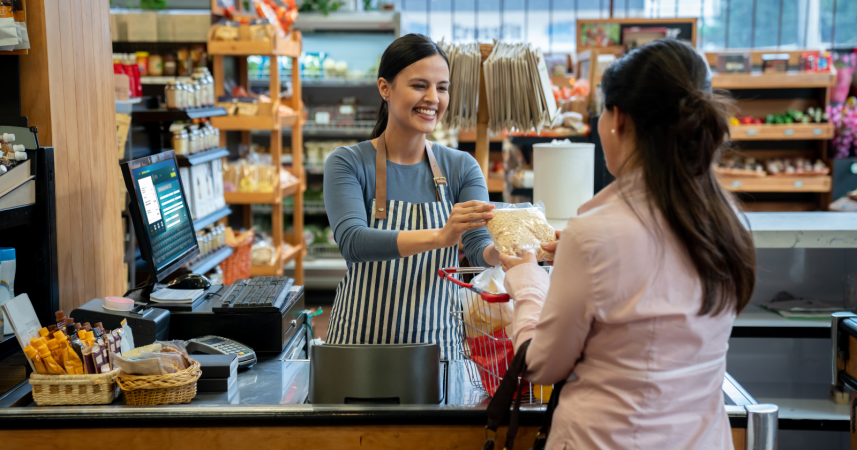
Remember the last time a cashier asked about your day and you actually had a brief, pleasant exchange?
For some people, that thirty-second interaction matters more than saving five minutes.
During my years analyzing financial data, I noticed something interesting: the clients who insisted on in-person meetings instead of phone calls were often the ones with the strongest portfolios.
They understood that relationships, not just transactions, build long-term value.
The same principle applies at the checkout line.
People who avoid self-checkout often view these small interactions as threads in the social fabric of their day.
They might be the only words they exchange with another person that afternoon. Or maybe they simply believe that supporting human jobs matters more than their personal convenience.
Either way, they're making a conscious choice to value connection over speed.
2) They have a strong sense of fairness and job preservation
Here's a question that might make you think: If everyone uses self-checkout, what happens to the cashiers?
This concern weighs heavily on people who refuse to scan their own groceries.
They see each transaction as a tiny vote for keeping humans employed.
During the 2008 financial crisis, I watched entire departments disappear as companies "streamlined" operations.
The human cost was devastating.
Some people carry that awareness into every consumer choice they make.
These individuals often extend this thinking beyond grocery stores.
They'll call instead of using chatbots, visit bank branches instead of using apps, and choose full-service gas stations when available.
They're not being stubborn or old-fashioned.
They're actively choosing to support employment opportunities for others, even if it costs them time.
3) They resist being unpaid labor
"Why should I do the store's job for free?"
I overheard someone say this last week, and it perfectly captures this mindset.
People who avoid self-checkout often feel that scanning and bagging groceries is work that deserves compensation.
And technically, they're not wrong.
These individuals tend to have strong boundaries in other areas of life too.
They're the ones who politely decline when asked to work unpaid overtime or volunteer for tasks outside their job description.
They understand their worth and aren't interested in providing free labor to increase corporate profits.
This characteristic often correlates with better work-life balance and clearer professional boundaries.
4) They value expertise and error prevention
Ever watched someone struggle with produce codes at self-checkout?
Or worse, accidentally scan something twice and need assistance anyway?
People who stick to traditional checkout often recognize that cashiers are experts at their job.
They know the codes, spot pricing errors, and handle coupons efficiently.
For these individuals, the potential for mistakes and the stress of troubleshooting technology outweighs any time savings.
This trait usually indicates someone who values expertise in general.
They're likely to hire professionals rather than DIY complex tasks, seek expert advice before making decisions, and appreciate specialized knowledge.
They understand that sometimes paying for expertise (or in this case, utilizing it for free) prevents costly mistakes down the line.
5) They experience technology anxiety
Not everyone finds technology intuitive or enjoyable.
For some, approaching a self-checkout kiosk triggers genuine anxiety.
Will the machine recognize their reusable bags?
What if the weight sensor acts up?
What happens if their card gets declined?
This anxiety isn't necessarily about age or tech-savviness.
I've seen twenty-somethings avoid self-checkout while seventy-year-olds breeze through it.
It's more about comfort with uncertainty and public troubleshooting.
People with this characteristic often prefer predictable, human-mediated experiences where someone else handles the variables.
Interestingly, these same people often excel in other areas requiring patience and methodical thinking.
They might be excellent at detailed work, thorough in their research, and careful decision-makers who consider all angles before acting.
6) They have heightened privacy concerns
Every self-checkout transaction creates data points about your shopping habits, payment methods, and behavioral patterns.
Some people are acutely aware of this digital footprint.
While cashiers also use systems that track purchases, there's something about directly interfacing with the machine that makes data collection feel more invasive to privacy-conscious individuals.
They might use cash more often, avoid loyalty programs, and generally minimize their digital trail.
These people often exhibit careful consideration about what information they share and with whom.
They read terms and conditions, use privacy settings on social media, and think critically about the trade-offs between convenience and personal data.
7) They process experiences differently
For some people, rushing through self-checkout feels hollow and unsatisfying.
They prefer the ritual and rhythm of traditional checkout: placing items on the belt, watching someone professionally handle their purchases, having someone else take responsibility for the transaction's success.
This preference often indicates someone who values process over outcome in other areas too.
They might enjoy cooking from scratch rather than ordering takeout, prefer reading physical books over e-readers, or choose scenic routes over highways.
They understand that how we do things matters as much as getting them done.
A conversation at my Saturday farmers' market recently reminded me why this matters.
An older gentleman told me he shops at stores with good cashiers because "robots don't ask about your grandkids or notice when you're having a rough day."
That simple statement captured something profound about human needs that efficiency metrics miss.
Final thoughts
Whether you're team self-checkout or team human cashier, these preferences reveal deeper truths about values, comfort zones, and worldviews.
Neither choice is inherently right or wrong.
What matters is recognizing that the people standing in that longer line aren't just being difficult or inefficient.
They're often making deliberate choices based on deeply held values about human connection, employment, privacy, and the kind of world they want to live in.
Next time you're rushing through self-checkout while others wait in the regular line, consider what drives their choice.
And if you're someone who avoids those machines, know that your preference reflects legitimate concerns and values that deserve respect.
After all, in our rush to optimize everything, sometimes the most radical act is choosing the human option, even when the machine is faster.