The gift of getting older? You stop sprinting toward someone else’s finish line.
I used to think my 30s would be the golden decade. Ambition was on tap, energy seemed endless, and every door looked open.
Then I met my 60-plus readers and mentors who smiled at that idea. They shared a secret I could not fully grasp until I watched it up close. Some things actually feel better, richer, and truer after 60. Life does not get simpler, yet you do.
Priorities click into place. You stop sprinting toward someone else’s finish line and begin strolling your own path.
Here are ten things that, in my experience and observation, bloom beautifully in our seventh decade and beyond. I have removed the em dashes from this version and found cleaner, calmer phrasing throughout.
1. Saying no without the knot in your stomach
In my 30s, “no” felt like a negotiation. I would say it, then soften it, then offer alternatives and a rain check.
After 60, “no” becomes a complete sentence and also a generous one. You are clearer on what matters and less hooked by the fear of missing out. The knot in your stomach loosens because you finally trust your own calendar.
The surprising part is that people adjust. They respect the boundary you model. You are not closing doors. You are opening space for the yeses that light you up.
A quick aside that helped me sharpen this skill: I recently reread a passage from Rudá Iandê that reminded me to release the weight of other people’s reactions. His new book, Laughing in the Face of Chaos: A Politically Incorrect Shamanic Guide for Modern Life, offers a simple line that I keep near my desk: “Their happiness is their responsibility, not yours.”
I have mentioned this book before, and I am returning to it again because his insights continue to steady my boundaries.
2. Moving your body for joy, not judgment
Back then, exercise felt like a barter. Three miles for a tighter waist. Ten thousand steps for permission to enjoy dinner.
After 60, movement regains its soul. You walk to feel the morning air and your neighborhood’s rhythm. You strength train because hip stability means freedom. You stretch because your back sighs with relief, and that relief lifts your whole day.
The difference is intention. You move for longevity and mood rather than for a mirror. The chemistry of that choice brings more peace to your workouts and more kindness to your body.
3. Mentoring without needing the credit
One of my favorite scenes is a 60-something engineer showing a new graduate how to debug calmly. There is no swagger and no “back in my day.” Only generous clarity.
After 60, you can mentor with an open palm. You do not need the spotlight. You have become the steady light.
And it feels better. Teaching becomes its own reward once you are no longer tangled up in proving yourself. Your wisdom finally has room to breathe.
4. Traveling slower and seeing more
In my 30s, I travel-hacked my way through cities like a competitive eater. Museums before noon, a famous neighborhood by lunch, and five “must-try” restaurants before bed. It was fun, yet the memories blur.
The post-60 pace is different. You linger in one neighborhood and learn the baker’s name. You skip the “Top 10 Things” list for a long conversation with a taxi driver. An entire afternoon on a park bench becomes the trip’s highlight.
The memories glue themselves together because your nervous system is not fried.
5. Letting friendships be easy
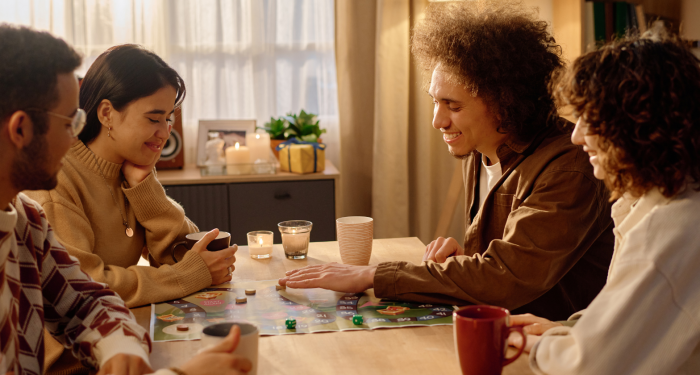
Friendship in your 30s can feel like a group project. Scheduling gymnastics, subtle one-upmanship, and the unspoken question of who is winning at life.
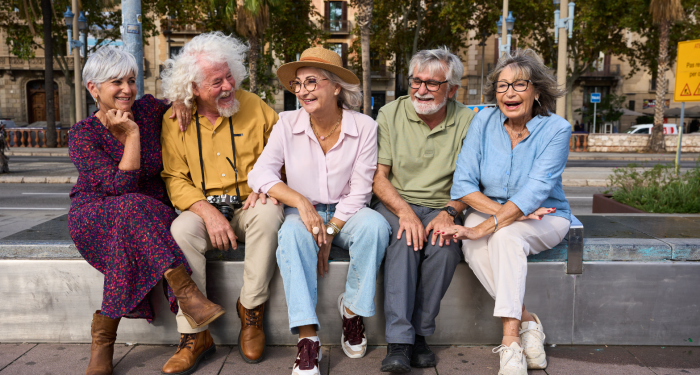
Later on, the grading rubric disappears. You collect people who are kind to your nervous system.
You call less and talk deeper. You bring soup, not solutions. You learn to accept apologies you never receive and to give your own without the preamble. This is friendship with less friction and more grace.
6. Savoring food without the mental math
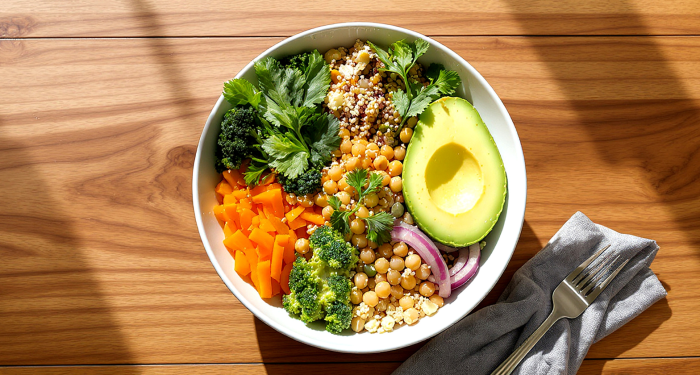
If your 30s were an endless spreadsheet of macros, liberation awaits here. Food becomes texture, memory, and presence. Tomatoes taste like July. Soup tastes like being taken care of.
You notice how a good meal changes the temperature of the day.
Gratitude grows as guilt fades. You still nourish yourself well, but you do not turn dinner into a scorecard. You let pleasure join the table and you stay present for every bite.
7. Creating because you want to, not because you are “good”
I used to wait for talent to tap me on the shoulder. After 60, you realize that talent is helpful but optional. You start watercolors because the colors thrill you. You join a community choir because harmonies make your ribcage buzz. You pick up woodworking, pottery, or memoir because time itself feels different when you make things.
This is where Rudá Iandê’s book landed for me again. His insights cut through perfectionism and invite authentic expression. The book inspired me to start a small daily sketch practice. It is messy and personal, which is exactly the point.
If you feel the same pull, explore Laughing in the Face of Chaos: A Politically Incorrect Shamanic Guide for Modern Life. It reads like a permission slip to create from wholeness rather than from the urge to impress.
8. Speaking plainly and kindly
Many of us never leave a kind of rhetorical middle school. We overexplain, hedge, and apologize for existing. After 60, you can graduate. You ask for the raise or the quiet table or the second opinion. You tell the doctor, “That does not feel right in my body.”
You tell your adult child, “I am worried. Can we talk tonight?”
Plain speech paired with a soft tone becomes a superpower. You do not raise your volume. You raise your clarity. People hear you because you are not performing. You are telling the truth, and that truth includes care.
9. Tending to place
Gardening, birdwatching, or learning the names of trees on your block. I used to treat place as a backdrop. Now I see it as a relationship. When you steward a corner of the world, whether that is houseplants, compost, or a little library, you swap anxiety for agency.
Calm is not the absence of activity. Calm is the presence of care.
I volunteer at a local farmers market, and something changes in my chest when I help a neighbor find the sweetest pears. It is humble joy, sticky-fingered and sincere. That joy feels richer later in life because it does not compete with a hundred other ambitions. It can be itself.
10. Choosing solitude and feeling full, not lonely
In my 30s, silence sometimes felt accusatory. What should I be doing, and who should I be with? After 60, solitude can feel like a well-stocked pantry.
You can read for an entire afternoon without checking your phone. You can take a long, slow walk on a trail, then come home feeling aired out and awake.
This is another place where Rudá Iandê’s work meets real life. The book inspired me to treat emotion as a messenger rather than an enemy and to listen to the body closely. Time alone becomes an honest conversation rather than a void.
A few practical nudges to try this week
- Pick one standing obligation that drains you and practice a friendly “no.” Then protect the free time you created. Let it breathe rather than filling it with busywork.
- Replace one “workout” with a “play-out.” Try dancing in the kitchen, tai chi in the park, or a long walk with a curious left turn.
- Send a voice note to a younger colleague. “Thinking of you before your presentation. Want a quick run-through?”
- Choose one meal to eat slowly and without devices. Taste it with your full attention.
- Schedule a creativity hour. Set no goals and make nothing for public display. Let it be imperfect and personal.
- Practice a two-sentence boundary. “That does not work for me. Here is what would.”
- Put your hands in dirt, literal or figurative. A plant, a recipe, or a neighborhood project all qualify.
- Block two hours for solitude and treat it like an appointment with someone important, because it is.
- When emotion rises, pause and ask, “What are you trying to tell me?” Treat feeling as a message rather than a mistake.
- If you want structured guidance while you experiment, dip into a chapter of Rudá Iandê’s book. Read one idea, then try it that day.
Final thought
Robert Frost wrote, “The afternoon knows what the morning never suspected.” I did not understand that line for years. Now I think he meant that time does not just pass. Time distills. The later chapters are not lesser. They are concentrated. Less froth, more flavor.
So if you are entering your 60s, or waving from beyond, consider this your invitation. Let things be easier. Let what matters rise. Enjoy what simply tastes better now.
You have earned it, and you are the only person who can give yourself full permission to savor it.
If You Were a Healing Herb, Which Would You Be?
Each herb holds a unique kind of magic — soothing, awakening, grounding, or clarifying.
This 9-question quiz reveals the healing plant that mirrors your energy right now and what it says about your natural rhythm.
✨ Instant results. Deeply insightful.

Avery White
Formerly a financial analyst, Avery translates complex research into clear, informative narratives. Her evidence-based approach provides readers with reliable insights, presented with clarity and warmth. Outside of work, Avery enjoys trail running, gardening, and volunteering at local farmers’ markets.
More Articles by Avery