Muscle is metabolic armor: it steadies blood sugar, protects joints, and keeps you from hitting the floor when balance wobbles.
Let’s be honest: aging “well” isn’t about chasing youth—it’s about stacking choices that help your future self feel mobile, clear-headed, and genuinely content.
If any of the seven habits below sound like your normal Tuesday, you’re probably aging better than most of your peers.
I say that both as a psychology-obsessed writer and as someone who still loves a hard trail run and a quiet hour in the garden. (So yes, I’m writing this sweaty and happy.)
Ready to gut-check your habits?
1. You lift things on purpose
No, you don’t need a barbell tattoo. But you do need resistance—free weights, machines, bodyweight, resistance bands, carrying groceries up stairs—something that reminds your muscles they’re still on payroll.
Why it matters: muscle is metabolic “armor.” It steadies blood sugar, supports healthy joints, and keeps balance sharp so you avoid falls.
The vanity bonus is posture—pulling your shoulder blades back after rows feels like turning the brightness up on your whole frame.
How to keep it simple:
-
Two or three short sessions a week.
-
Push, pull, hinge, squat, carry.
-
Finish with a hold (plank, wall-sit) to train grit and stabilize your spine.
When I first switched from financial spreadsheets to writing, my daily step count cratered. Adding a 20-minute dumbbell circuit between drafts made me more alert in the afternoon and less creaky in the evening.
Strength isn’t just about looking “fit”—it’s about staying capable.
2. You pepper movement into your day
Formal workouts are great; sprinkled movement is magic.
People who age well don’t save all activity for the gym—they “drip” it: pacing on calls, taking stairs, pulling weeds, walking to get coffee, dancing in the kitchen while dinner simmers.
As noted by the CDC’s Physical Activity Guidelines, the north star is simple: “Move more and sit less.” Even light bouts add up, and any movement beats none.
A quick ritual I love: every time I hit “send” on an email, I stand up, do ten calf raises, and refill my water. Is it glamorous? Not one bit. Does it keep my hips happier on long writing days? Absolutely.
3. You treat sleep like a non-negotiable
Everyone says sleep matters; very few protect it. If you’re defending your bedtime like you would a flight, you’re already playing in the top tier.
To borrow from sleep scientist Matthew Walker: “Sleep is your life-support system and Mother Nature’s best effort yet at immortality.”
I love that line because it gets to the point—sleep upgrades basically everything you care about aging-wise: memory, mood, skin, hormones, immune function.
Practical, not precious:
-
Keep roughly the same sleep and wake times (even on weekends).
-
Dim lights an hour before bed; protect the bedroom like a cave (cool, dark, quiet).
-
Park caffeine earlier than you think, and let alcohol be the exception, not the rule.
I learned the hard way that “I’ll catch up this weekend” is a fairy tale. My writing is cleaner, and my runs feel smoother, when I respect my bedtime.
4. You mostly eat plants (and enough protein)
If I were to summarize the plates I see from people who age beautifully, they’re colorful, produce-heavy, and protein-aware.
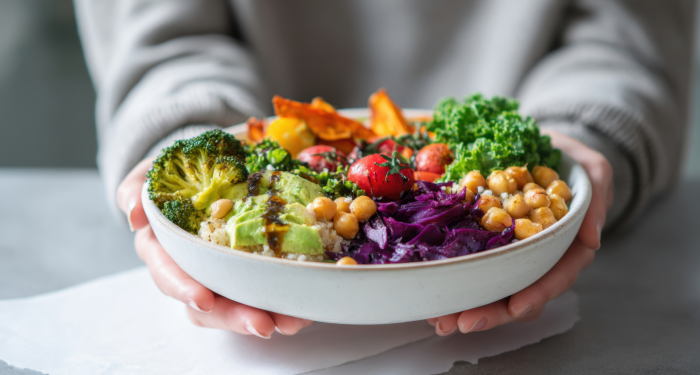
Think: a big salad with beans and seeds; stir-fried veggies over quinoa and tofu; roasted veg bowls with lentils and a punchy tahini drizzle.
Add fruit, nuts, whole grains, herbs, and generous olive oil. You don’t have to be perfect. You do have to be consistent.
As someone who volunteers at a farmers’ market, I’m biased toward seasonal produce. But the reason I’m there isn’t just taste—it’s how I feel when most of my calories are plants. Digestion, energy, skin…all quieter in the best way.
Simple signals you’re on track:
-
Most meals look like plants with a protein accent.
-
You’re satisfied (not stuffed) and rarely crash after eating.
-
Your pantry makes the default choice the easy choice.
5. You invest in relationships like your health depends on it (because it does)
There’s a throughline in longevity research that never gets old: warm, reliable connections seem to buffer us against the wear and tear of life.
As Robert Waldinger, director of the Harvard Study of Adult Development, put it: “Good relationships keep us happier and healthier. Period.”
I keep a simple “social hygiene” list: three names of people I want to stay close to. Each week, I text or call at least one.
Nothing fancy, just “Thinking of you—want to walk Saturday?”
Humans are herd animals. The older we get, the more our nervous systems appreciate a familiar voice and a standing coffee date.
If you’re new to a city or rebuilding your circle, start hyper-local: the neighbor you wave to, the fellow volunteer, the person you see on your daily dog-walk loop.
Small threads make strong nets.
6. You train your stress response (not just your schedule)
Aging well isn’t the absence of stress—it’s the presence of recovery. People who age better than average have rituals that help their bodies exit “fight-or-flight” and re-enter “rest-and-digest.”
Pick your levers and keep them embarrassingly doable:
-
A five-minute breathing drill (inhale 4, exhale 6) between meetings.
-
Ten minutes outdoors at lunch—bonus points if there’s a tree.
-
Two sentences in a journal: “What’s loud in my head?” and “What’s one tiny next step?”
As a former analyst, I used to measure success in output. Now, I measure it in how quickly I can downshift. My writing is better when I’ve told my nervous system, “You’re safe; we can think clearly.”
7. You keep learning hard, new things
Crosswords are fun; challenge is medicine. New skills that stretch you—learning a language, joining a choir, taking a pottery class, finally figuring out the free-weight area—build cognitive reserve and confidence. They also keep your identity flexible, which matters more than we admit.
I once joined a trail group way outside my comfort zone. The first climb humbled me; the second made me grin.
What surprised me most wasn’t my legs—it was how quickly my brain lit up from being a beginner again.
A few rules I follow:
-
Choose “just-hard-enough.” You should wobble a bit, not drown.
-
Mix physical and mental novelty when you can (dance lessons are great for this).
-
Share progress with friends—it turns practice into a story you’re living together.
A quick self-audit
If you read this and thought, “I’m doing four or more already,” you’re ahead of the pack. Truly.
Aging well is less about hacks and more about habits—the kind you’d still be proud of at 80. If you thought, “I’m doing one or two,” fantastic. Add one small change and let it snowball.
Here’s how I’d stack the deck if I were starting from scratch:
-
Protect sleep.
-
Lift something twice a week.
-
Text a friend to walk.
-
Fill half your plate with plants.
Everything else compounds.
One last nudge: aging better than average isn’t flashy. It’s steady. It’s boring in the best ways.
But so is compound interest—and that’s how you build a life you’re happy to keep living in.
What’s Your Plant-Powered Archetype?
Ever wonder what your everyday habits say about your deeper purpose—and how they ripple out to impact the planet?
This 90-second quiz reveals the plant-powered role you’re here to play, and the tiny shift that makes it even more powerful.
12 fun questions. Instant results. Surprisingly accurate.