Food is such a personal thing with our own preferences and boundaries, and sometimes those quirks turn into full-blown pet peeves that we just can't shake.
I was at a casual dinner party last weekend when one of my friends casually double-dipped her chip into the shared guacamole. My other friend immediately made a face, and I could feel the tension in the room shift. We all laughed it off, but it got me thinking about how certain food habits can really get under our skin.
Food is such a personal thing. We all have our preferences, our boundaries, and our little quirks that make us who we are. And sometimes, those quirks turn into full-blown pet peeves that we just can't shake.
If you've ever felt annoyed by certain food behaviors, you're in good company. Here are eight common food pet peeves that a lot of us share.
1. People who chew with their mouth open
This one tops almost everyone's list. There's something about the sound of someone smacking their lips or chomping away with their mouth wide open that just grinds on your nerves.
I get it. Some people grew up in households where table manners weren't emphasized, or maybe they genuinely don't realize they're doing it. But when you're trying to enjoy your meal and all you can hear is the sound of someone else's chewing, it's hard not to feel irritated.
The thing is, most people who do this aren't trying to be rude. They're just not aware of how it affects others. If you're the one doing it, a gentle heads-up from a close friend might save you from some awkward moments. If you're the one bothered by it, sometimes creating a little background noise or shifting your focus can help you get through the meal without losing your appetite.
2. Double dipping in shared food
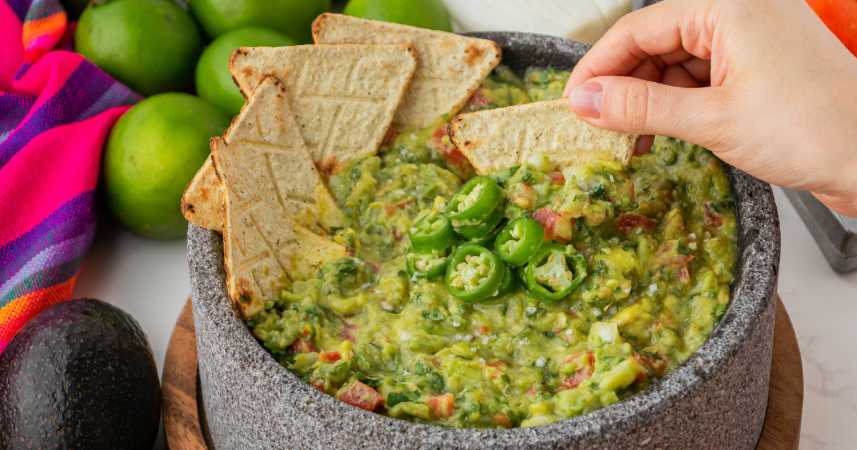
Picture this. You're at a gathering, there's a beautiful spread of dips and chips, and someone takes a bite of their chip, then dips the bitten end back into the bowl. Suddenly, that communal guacamole doesn't look so appealing anymore.
Double dipping crosses a line for a lot of people because it feels like a hygiene issue. You're essentially sharing your saliva with everyone else at the table, and not everyone is comfortable with that. Research has even shown that double dipping can transfer bacteria from your mouth to the dip, which doesn't exactly help its case.
When I'm hosting, I sometimes put out individual small bowls for dips so everyone can have their own. It's a simple fix that keeps everyone happy and hygienic. If you're at someone else's place and you see it happening, maybe just avoid that particular bowl and move on. Life's too short to get worked up over guacamole.
3. Taking food off your plate without asking
My husband and I have an understanding. If he wants to try something from my plate, he asks first. It's not about being possessive or stingy. It's about respect for personal space and boundaries.
Some people think sharing food is a sign of intimacy and connection, and that's fine between people who are comfortable with it. But when someone reaches over and just grabs a fry from your plate without asking, it feels invasive. You ordered that food for yourself, and you should be the one to decide whether you want to share it.
This becomes especially frustrating when you're at a restaurant and you've carefully chosen what you want to eat. Maybe you've been looking forward to that specific dish all day. Having someone take a bite without permission can feel like a violation of your autonomy, even if it's a small one.
The solution is pretty simple. Just ask. A quick "Can I try a bite?" goes a long way in maintaining good relationships and avoiding unnecessary tension.
4. Loud eaters who slurp and crunch
There's eating, and then there's eating like every bite is a performance. The loud slurping of soup, the aggressive crunching of chips, the way some people seem to amplify every sound their mouth makes.
For some people, these sounds trigger something called misophonia, which is a strong emotional response to specific sounds. But even if you don't have misophonia, constant loud eating can be distracting and unpleasant.
I've noticed this mostly happens when people are really enjoying their food, which makes it a bit tricky to address. You don't want to make someone feel bad for being enthusiastic about their meal. At the same time, you also want to enjoy your own dining experience in peace.
If you're the loud eater, try being more mindful of how you're eating. Take smaller bites, chew with your mouth closed, and maybe slow down a bit. If you're dining with a loud eater, sometimes a casual comment like "This place is so quiet" can be a gentle reminder without calling them out directly.
5. People who criticize what you're eating
I'm not vegan, but about half my friend group is. When we hang out, we explore a lot of plant-based restaurants, and I genuinely enjoy it. What I don't enjoy is when someone makes unsolicited comments about food choices, whether it's someone judging my meat-eating habits or criticizing someone else's vegan lifestyle.
Food is deeply personal. What you choose to eat is often tied to your culture, your health, your values, and your budget. When someone criticizes your food choices, it can feel like they're criticizing your entire lifestyle.
This goes beyond dietary preferences too. Maybe you're eating a big portion because you had an intense workout earlier. Maybe you're eating a small portion because you're not that hungry. Either way, it's your business, not anyone else's.
The best approach is simple. Let people eat what they want to eat. If you're curious about someone's food choices, ask respectful questions instead of making judgments. And if someone starts criticizing what's on your plate, you're well within your rights to politely change the subject or set a boundary.
6. Not offering to help when someone's cooking for the group
Last month, I hosted a small dinner for some friends. I spent hours preparing everything, setting the table, making sure everyone's dietary needs were covered. A couple of friends offered to help with dishes or setting up, but a few others just sat on the couch scrolling through their phones while I worked.
Cooking for a group is a labor of love, but it's still labor. When someone is putting in the effort to feed you, the least you can do is offer to help in some way. It doesn't have to be cooking. You can set the table, pour drinks, clean up as you go, or handle the dishes afterward.
This becomes especially important when you're at someone's home rather than a restaurant. The host is already giving you their time, their space, and their resources. Pitching in shows appreciation and makes the whole experience more enjoyable for everyone.
If you're not sure what to do, just ask. Most hosts will have something you can help with, and even if they say no, the offer itself is meaningful.
7. Wasting food or taking more than you can eat
I grew up in a middle-class household where food waste was taken seriously. My parents came from humble backgrounds, and we were taught to take only what we could finish. That lesson has stuck with me.
When I see someone pile food onto their plate at a buffet or potluck and then leave half of it uneaten, it bothers me. It's not just the waste itself. It's the lack of consideration for the effort that went into preparing that food and for the people who might not have gotten enough because someone else took too much.
The UN Environment Programme estimates that about one-third of all food produced globally is wasted, and a significant portion of that happens at the consumer level. When you're at a gathering, taking reasonable portions and going back for seconds if you're still hungry is a much better approach than loading up your plate and throwing half of it away.
This goes for restaurants too. If you're unsure about portion sizes, ask your server or start with a smaller order. You can always order more if you're still hungry, but you can't un-order food that's already on your plate.
8. Being on the phone during a meal
Picture this. You're having dinner with someone, and they're scrolling through Instagram while you're trying to have a conversation. Every few minutes, they pick up their phone to reply to a text or check a notification. The meal that was supposed to be about connection turns into you eating alone while sitting across from someone who's mentally somewhere else.
Meals are one of the few times in our busy lives when we can actually slow down and connect with the people around us. When someone is constantly on their phone, it sends the message that whatever's happening on that screen is more important than the person sitting right in front of them.
I'm not saying you can never check your phone during a meal. Sometimes there are urgent matters or you're waiting for an important message. But making your phone the center of attention during a shared meal is disrespectful to everyone at the table.
My husband and I have a simple rule during our weekly date nights. Phones go on silent and stay in our pockets unless there's an emergency. That small boundary has made our dinners together so much more meaningful and present.
Final thoughts
Food brings people together, but it also reveals a lot about our values and boundaries. These pet peeves aren't about being difficult or demanding perfection from everyone around you. They're about creating a dining experience that feels respectful and enjoyable for everyone involved.
Most of these issues come down to awareness and consideration. When you're eating with others, a little mindfulness goes a long way. And when someone else's food habits bother you, it's worth remembering that they might not even realize what they're doing.
We all have our quirks. The goal isn't to eliminate every annoying habit but to find a balance where everyone feels comfortable and respected. Because at the end of the day, sharing a meal should bring us closer together, not drive us apart.