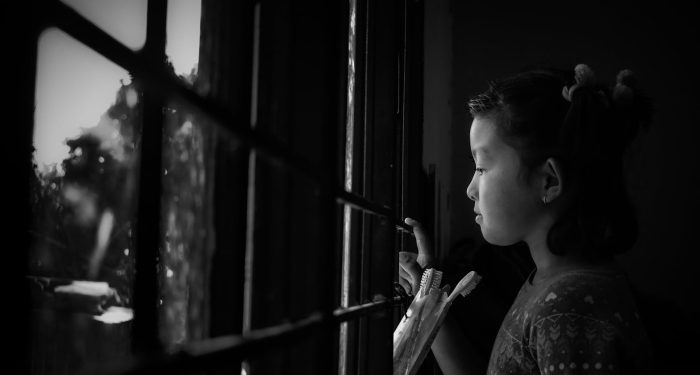
While millions dread being alone, a quiet revolution is happening among those who've discovered that solitude isn't about isolation—it's about cultivating habits that transform empty hours into the most fulfilling parts of their lives.

Add VegOut to your Google News feed. 
There's this belief that spending time alone means you're antisocial, lonely, or missing out on life. Yet some of the most content, creative, and grounded people I know actively seek solitude and genuinely thrive in it.
What separates those who feel lonely when alone from those who find it liberating?
After years of studying this difference, both in my own life and through my work in psychology and mindfulness, I've discovered it comes down to specific habits and mindsets. The people who flourish in solitude don't just tolerate being alone; they've built practices that transform solo time into something deeply nourishing.
I used to be terrible at this. In my mid-20s, despite doing everything "right" by conventional standards, I felt anxious and unfulfilled. Being alone with my thoughts was uncomfortable, so I filled every moment with distractions. It wasn't until I started developing certain habits that solitude became less about isolation and more about connection with myself.
Today, let's explore eight habits that distinguish people who genuinely thrive when they're on their own.
1. They treat solitude as sacred time, not leftover time
Most people view alone time as what happens when plans fall through. But those who thrive in solitude? They schedule it like they would any important appointment.
I learned this the hard way. For years, I'd only end up alone when friends canceled or when I had nothing else going on. No wonder it felt empty.
Now, I protect my morning writing time fiercely. It's not time I squeeze in around other commitments; it's the foundation my day is built on. This shift in perspective changes everything. When you treat solitude as valuable rather than vacant, it becomes something to look forward to rather than endure.
Start small. Block out just 30 minutes this week that's yours alone. Put it in your calendar. Guard it. Watch how differently it feels when solitude is chosen rather than imposed.
2. They cultivate rich inner worlds
Ever notice how some people can sit contentedly for hours with just their thoughts while others reach for their phones after thirty seconds?
The difference lies in how developed their inner landscape is. People who love solitude have usually spent years building fascinating inner worlds through reading, reflection, and creative pursuits.
As a teenager, I stumbled upon a book about Eastern philosophy at my local library. That single discovery opened up entirely new ways of thinking about existence, consciousness, and what it means to live well. These ideas became companions in solitude, giving me endless material to explore and contemplate.
In my book, Hidden Secrets of Buddhism: How To Live With Maximum Impact and Minimum Ego, I explore how Buddhist practices can help develop this kind of rich inner life. The key is feeding your mind with ideas that fascinate you, whether through books, podcasts, documentaries, or deep conversations.
When your inner world is vibrant, solitude becomes an opportunity to explore it rather than an empty space to fill.
3. They practice being present without distraction
Here's something I've noticed: people who struggle with solitude usually struggle with presence.
They're physically alone but mentally everywhere else, scrolling through social media, replaying conversations, or worrying about tomorrow. This scattered attention makes solitude feel restless and unsatisfying.
Those who thrive alone have learned to be where they are. They can sit with a cup of coffee and actually taste it. They can take a walk and notice the world around them instead of being lost in their heads.
My daily coffee ritual taught me this. What started as a quick caffeine fix became a practice in attention. Strong black coffee, no distractions, just me and the experience of drinking it. Sounds simple, but this kind of focused presence transforms solitude from emptiness into richness.
Try this: next time you're alone, pick one simple activity and give it your complete attention. No phone, no background TV, just you and whatever you're doing. Notice how different solitude feels when you're actually present for it.
4. They maintain boundaries without guilt
People who love solitude have mastered something most of us struggle with: saying no without feeling bad about it.
They understand that protecting their alone time isn't selfish; it's necessary for their wellbeing. They don't make excuses or over-explain. They simply honor their need for solitude the way they'd honor any other basic need.
This was tough for me to learn. I used to feel guilty turning down invitations, worried people would think I was antisocial or didn't value their friendship. But constantly saying yes when I needed alone time left me drained and resentful.
The turning point came when I realized that showing up depleted serves no one. When I take the solitude I need, I bring better energy to my relationships. Quality over quantity became my mantra, and surprisingly, my friendships got stronger, not weaker.
5. They create spaces that nurture solitude
Your environment shapes your experience more than you might realize.
People who thrive alone deliberately create spaces that support solitude. Not fancy spaces necessarily, just intentional ones. A reading corner with good light. A meditation cushion by the window. A desk that invites creativity.
When I travel, one of my first priorities is finding quiet spaces in busy cities. Parks, libraries, coffee shops with the right vibe. These become sanctuaries where solitude feels natural rather than forced.
Look around your living space. Does it have a spot that calls to you when you're alone? Somewhere that feels like a refuge rather than just another place to sit? Creating even one small area designed for solitary activities can transform how you experience alone time.
6. They develop solo rituals and routines
Rituals give structure to solitude, transforming aimless alone time into something purposeful and grounding.
The people I know who genuinely love being alone all have their rituals. Morning journaling. Evening walks. Sunday cooking sessions. These aren't just activities; they're anchors that make solitude feel intentional.
My writing ritual has become central to my life. Every morning, same time, same place. I don't wait for inspiration; I show up regardless. This discipline has taught me that solitude with structure feels completely different from solitude without it.
What I explore in Hidden Secrets of Buddhism: How To Live With Maximum Impact and Minimum Ego is how rituals, even simple ones, can become forms of meditation that deepen our relationship with ourselves.
Think about what solo ritual might serve you. It doesn't have to be elaborate. Even a weekly solo lunch date or a regular sunset walk can become a treasured part of your routine.
7. They pursue interests that don't require others
Have you noticed how many popular activities require other people? Team sports, dinner parties, game nights. While these are great, people who thrive in solitude also cultivate interests they can pursue entirely on their own.
Reading, writing, painting, gardening, coding, learning languages, playing instruments. These solo pursuits become sources of joy that don't depend on anyone else's availability or interest.
The beauty of solo interests is that they're always accessible. No coordinating schedules, no compromising on what to do. Just you and something you love, available whenever solitude presents itself.
8. They befriend themselves
This might sound strange, but stick with me.
Most of us are far harsher with ourselves than we'd ever be with a friend. We criticize our choices, judge our thoughts, and generally make poor company for ourselves. Then we wonder why being alone feels uncomfortable.
People who love solitude have learned to be good friends to themselves. They speak kindly to themselves, show themselves compassion, and genuinely enjoy their own company. They've replaced the inner critic with an inner companion.
This shift doesn't happen overnight. It takes practice to notice self-critical thoughts and consciously choose kinder ones. But when you become someone you actually like spending time with, solitude transforms from something to avoid into something to seek.
Final words
The art of being alone without being lonely isn't about becoming antisocial or rejecting connection. It's about developing such a rich relationship with yourself that solitude becomes rejuvenating rather than depleting.
These eight habits aren't rules to follow rigidly but experiments to try. Some will resonate immediately; others might feel uncomfortable at first. That's normal. Building comfort with solitude is a process, not a destination.
Start where you are. Pick one habit that speaks to you and give it a genuine try. As you develop your capacity for solitude, you might discover what many have found: that learning to be alone is actually about learning to be whole.