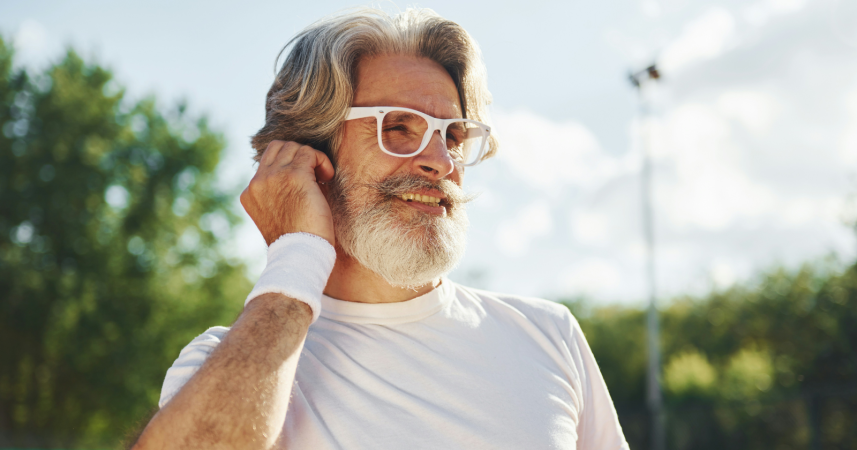
The secret isn't genetics or luck—it's the surprisingly simple daily habits that separate those who thrive in their golden years from those who merely survive them.
Ever notice how some people in their 70s and 80s seem more vibrant and engaged than folks half their age?
I see them at my local farmers' market every weekend. There's this gentleman who must be pushing 85, yet he's there bright and early, chatting with vendors, cracking jokes, and carrying his own bags. Meanwhile, I've met 40-somethings who seem exhausted by life, mentally foggy, and frankly, a bit bitter about everything.
What's the difference? After years of observing and researching what keeps people mentally sharp and genuinely happy as they age, I've discovered it often comes down to daily habits. Not complicated ones either. Simple, consistent routines that anyone can adopt.
The fascinating thing is that neuroscience backs this up. Our brains remain remarkably plastic throughout our lives, meaning we can create new neural pathways and maintain cognitive function well into our golden years. But it requires intention.
Here are the ten daily routines I've noticed in people who age like fine wine rather than sour milk.
1. They move their bodies every single day
You knew this was coming, right? But here's what might surprise you: it doesn't have to be intense exercise.
The sharpest older adults I know aren't necessarily marathon runners. They're the ones who take daily walks, tend their gardens, or do gentle yoga. Movement pumps oxygen to the brain, reduces inflammation, and releases those feel-good endorphins.
I run trails most mornings, and there's this group of power-walking seniors who pass me while I'm stretching. They're out there rain or shine, chatting and laughing as they go. One told me, "If I don't move for a day, my brain feels like it's wrapped in cotton."
Research from the University of British Columbia found that regular aerobic exercise appears to boost the size of the hippocampus, the brain area involved in verbal memory and learning. Pretty compelling reason to lace up those shoes, isn't it?
2. They practice some form of mindfulness
Whether it's meditation, prayer, or simply sitting quietly with their morning coffee, mentally sharp seniors have a daily practice of being present.
I meditate for 20 minutes each morning after my run, and honestly, it took me years to appreciate its value. But the science is undeniable. Regular meditation literally changes your brain structure, increasing gray matter in areas associated with learning, memory, and emotional regulation.
You don't need to sit in lotus position for an hour. Even five minutes of focused breathing can make a difference. The key is consistency, not perfection.
3. They maintain genuine social connections
This isn't about having hundreds of Facebook friends. It's about meaningful, regular interaction with other humans.
The Harvard Study of Adult Development, which has tracked participants for over 80 years, found that the quality of our relationships is the strongest predictor of happiness and health in old age. Stronger than cholesterol levels. Stronger than wealth.
Sharp seniors make time for friends. They call their kids. They chat with neighbors. They join book clubs or volunteer groups. Human connection isn't optional for brain health; it's essential.
4. They keep learning new things
Remember when you thought you'd never need to learn anything new after school? Yeah, about that...
The most mentally agile older adults treat their brains like muscles that need regular workouts. They learn languages on apps, take up new hobbies, or finally master that instrument gathering dust in the closet.
One woman I met at a workshop started learning Spanish at 72. She told me, "My brain feels younger now than it did at 60." Learning creates new neural pathways and keeps existing ones flexible. Plus, it's just fun to surprise yourself with what you're capable of.
5. They have a consistent sleep routine
Poor sleep is like kryptonite for your brain. Yet so many of us treat it as negotiable.
Happy, sharp seniors prioritize sleep like their lives depend on it, because frankly, they do. They go to bed and wake up at roughly the same time. They have wind-down rituals. They protect their sleep environment.
I read for an hour before bed every night. It signals to my brain that it's time to shift gears. No screens, no stress, just me and a good book. This simple routine has transformed my sleep quality.
6. They eat real food
Notice I didn't say they follow the latest fad diet. Sharp seniors tend to eat simple, whole foods. Lots of vegetables, fruits, whole grains, and lean proteins.
Cooking dinner from scratch most nights has become my meditation. There's something grounding about chopping vegetables and creating something nourishing. Plus, the Mediterranean diet, which many long-lived populations follow, has been linked to lower rates of cognitive decline.
The brain uses about 20% of your daily calories. Feed it junk, and it performs like junk. Feed it well, and it rewards you with clarity and energy.
7. They have a sense of purpose
This might be the most important one. People who stay sharp into old age wake up with a reason to get out of bed.
Maybe they're caring for grandchildren, volunteering at the library, or working on a passion project. The specifics don't matter. What matters is feeling needed and valuable.
Japanese culture has a beautiful word for this: ikigai, which roughly translates to "reason for being." Studies show that people with a strong sense of purpose have better cognitive function and live longer. Find your ikigai, and guard it fiercely.
8. They practice gratitude
Cynicism ages you faster than smoking. I'm convinced of it.
The happiest seniors I know have a daily gratitude practice. Maybe they write in a journal, say grace before meals, or simply pause to appreciate small moments. This isn't toxic positivity or denying life's challenges. It's choosing to notice the good alongside the difficult.
Every evening, I spend 15 minutes journaling about my day. Three things I'm grateful for, always. Some days it's big stuff. Other days it's just "good coffee" or "sunshine." This simple practice rewires your brain to notice positivity.
9. They laugh every day
When did we all get so serious? Kids laugh hundreds of times a day. Adults? Maybe a dozen if we're lucky.
Sharp, happy seniors find humor everywhere. They watch comedy shows, share funny stories, and most importantly, they laugh at themselves. Laughter reduces stress hormones, boosts immune function, and releases endorphins.
Make it a point to seek out something funny every day. Your brain will thank you.
10. They embrace routine while staying flexible
Here's the paradox: the happiest older adults have solid routines but aren't rigid about them. They have structure but adapt when needed.
Routine provides cognitive scaffolding, reducing decision fatigue and creating healthy automatic behaviors. But flexibility keeps you mentally agile and resilient when life throws curveballs.
Final thoughts
Looking at this list, you might think it's overwhelming. Ten things to do every day? But here's the secret: start with one. Pick the one that resonates most and commit to it for a month. Then add another.
These aren't just habits for old age. Starting them now, whether you're 30 or 60, sets you up for decades of mental clarity and genuine happiness. Your future self will thank you.
The gentleman from the farmers' market? I asked him once what his secret was. He smiled and said, "I decided a long time ago that getting older was inevitable, but getting old was optional."
That choice is yours to make every single day.
Just launched: Laughing in the Face of Chaos by Rudá Iandê
Exhausted from trying to hold it all together?
You show up. You smile. You say the right things. But under the surface, something’s tightening. Maybe you don’t want to “stay positive” anymore. Maybe you’re done pretending everything’s fine.
This book is your permission slip to stop performing. To understand chaos at its root and all of your emotional layers.
In Laughing in the Face of Chaos, Brazilian shaman Rudá Iandê brings over 30 years of deep, one-on-one work helping people untangle from the roles they’ve been stuck in—so they can return to something real. He exposes the quiet pressure to be good, be successful, be spiritual—and shows how freedom often lives on the other side of that pressure.
This isn’t a book about becoming your best self. It’s about becoming your real self.