From effortlessly rising from the floor to navigating new apps with ease, these ten everyday abilities reveal whether you're among the rare few who've mastered the art of growing older without growing old.
When I was visiting my local farmers' market last weekend, I watched a vendor in his seventies effortlessly hoisting heavy crates of vegetables, chatting with customers while making change in his head, and sharing stories about his organic farming methods. He moved with such ease and energy that I had to ask his age. "Seventy-three next month," he said with a grin, then proceeded to tell me about the hiking trip he'd planned for his birthday.
That interaction got me thinking about what it really means to age well. We often focus on the number itself, but the truth is, chronological age tells us very little about someone's actual vitality and capability. Some people in their sixties and seventies seem to have discovered the fountain of youth, while others struggle with basic activities much earlier in life.
So what separates those who thrive in their later years from those who don't? After researching and observing the most vibrant older adults I know, I've identified ten key abilities that indicate exceptional aging. If you can still do these things easily after 65, you're doing something very right.
1. Walk for 30 minutes without feeling exhausted
This might sound basic, but you'd be surprised how many people lose this simple ability as they age. Walking for half an hour at a moderate pace without needing to stop, catch your breath excessively, or feeling wiped out afterward shows your cardiovascular system is in good shape.
The vendor I mentioned? He told me he walks three miles every morning before opening his farm stand. That consistent movement keeps his heart strong and his energy levels high throughout the day. If you can maintain a conversation while walking and feel energized rather than drained afterward, your body is aging beautifully.
2. Get up from the floor without using your hands
Try this right now if you can. Sit cross-legged on the floor, then stand up without putting your hands down for support. This simple test actually predicts longevity better than many medical tests. It requires leg strength, core stability, flexibility, and balance all working together.
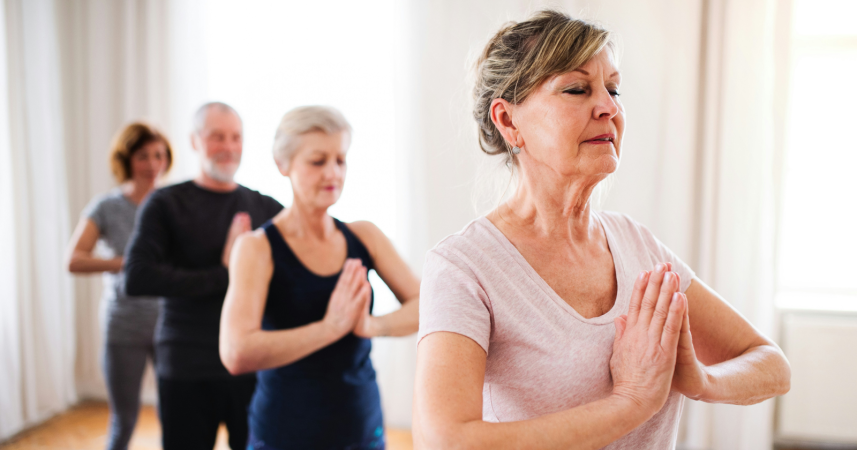
A friend's mother, who's 68, does yoga three times a week and can pop up from the floor like someone half her age. She says maintaining this ability gives her confidence that she can handle whatever physical challenges come her way.
3. Remember names and recent conversations
Meeting someone new and remembering their name the next time you see them shows your brain's still firing on all cylinders. Same goes for recalling what you discussed with your neighbor last week or remembering where you put your reading glasses without a twenty-minute search.
Sharp memory isn't just about genetics. The mentally agile seniors I know stay curious, learn new things, and actively engage in conversations rather than passively listening. They read widely, do puzzles, and genuinely pay attention when others speak.
4. Learn new technology without frustration
Can you figure out a new smartphone app? Navigate a video call? Use online banking? The ability to adapt to new technology indicates cognitive flexibility and a willingness to keep learning.
My running group includes several members in their late sixties who track their runs with GPS watches, share photos on social media, and organize our meetups through group apps. They approach technology with curiosity rather than fear, asking questions when stuck instead of giving up.
5. Sleep through the night and wake up refreshed
Quality sleep becomes increasingly elusive as we age, but those aging exceptionally well have cracked the code. They wake up feeling rested, not groggy or achy, and they don't need multiple naps to get through the day.
Good sleepers over 65 typically have consistent bedtime routines, stay active during the day, and manage stress effectively. They've learned what their bodies need for restorative sleep and prioritize it.
6. Maintain your balance on one leg for 10 seconds
Stand on one foot right now. Can you hold it for ten seconds without wobbling or grabbing onto something? This simple test reveals a lot about your neuromuscular coordination and inner ear function.
Falls become a major health risk after 65, but those with good balance dramatically reduce their risk. They can navigate uneven surfaces, recover from a stumble, and move confidently through their environment.
7. Carry groceries without strain
The ability to carry a couple of grocery bags from the car to the kitchen without feeling like you've just completed a workout indicates maintained muscle mass and functional strength. We lose muscle as we age, but those aging well have slowed this process significantly.
They can lift grandchildren, move furniture when needed, and handle daily tasks that require strength without always needing help. This independence is golden.
8. Drive safely at night
Night driving requires sharp vision, quick reflexes, good judgment, and the ability to process multiple stimuli simultaneously. If you're still comfortable driving after dark, seeing clearly despite oncoming headlights, and reacting appropriately to unexpected situations, your sensory and cognitive systems are working well together.
This isn't about stubbornness or refusing to acknowledge limitations. It's about genuinely maintaining the visual acuity and processing speed necessary for safe night driving.
9. Maintain close friendships and make new ones
Social connectivity might not seem like a physical ability, but it requires emotional energy, cognitive engagement, and the initiative to maintain relationships. Those aging exceptionally well don't just rely on family; they nurture friendships and continue making new connections.
They join clubs, volunteer, attend community events, and genuinely invest in relationships. They remember birthdays, check in on friends, and show up for others. This social vitality keeps them mentally sharp and emotionally fulfilled.
10. Adapt to unexpected changes without excessive stress
When plans change suddenly, can you roll with it? When technology updates, weather disrupts your routine, or unexpected guests arrive, do you adapt or feel overwhelmed? Psychological flexibility is a hallmark of successful aging.
The most vibrant older adults I know treat changes as adventures rather than disruptions. They've developed resilience through years of experience and maintain a sense of humor about life's curveballs.
Final thoughts
Reading through this list, you might recognize yourself in many of these abilities, or you might see areas where you'd like to improve. The beautiful thing is that nearly all of these capabilities can be maintained or even improved with effort, regardless of your current age.
The seventy-three-year-old vendor I met doesn't have special genes or a secret supplement. He simply stays active, remains engaged with his community, continues learning, and approaches each day with purpose and curiosity.
If you're over 65 and checking off most of these boxes, congratulations. You've figured out something many people miss: aging well isn't about fighting time, it's about staying engaged with life. Keep doing what you're doing.
And if you're not there yet? Every single one of these abilities can be worked on. Start where you are, pick one area to focus on, and remember that small improvements compound over time. The best day to start aging well is today, regardless of what birthday you celebrated last.
If You Were a Healing Herb, Which Would You Be?
Each herb holds a unique kind of magic — soothing, awakening, grounding, or clarifying.
This 9-question quiz reveals the healing plant that mirrors your energy right now and what it says about your natural rhythm.
✨ Instant results. Deeply insightful.