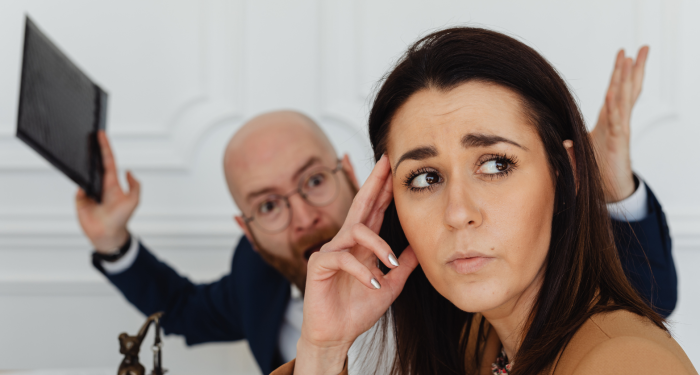
The subtle shifts in behavior—from avoiding eye contact to forgetting to invite you—reveal a painful truth that most people are too polite to voice directly.
I remember sitting across from a colleague at our usual lunch spot, the same one we'd been going to for years. Something felt different though. She kept checking her phone, giving vague responses to my questions, and when I mentioned an upcoming project I was excited about, she just nodded without her usual enthusiasm.
It took me weeks to realize what had shifted: she'd lost respect for me after I'd repeatedly cancelled our plans to accommodate my boss's last-minute demands. She never said it outright, but her actions spoke volumes.
That experience taught me something crucial about human behavior. When people lose respect for someone, they rarely announce it. Instead, they communicate through subtle shifts in their behavior, changes that can be easy to miss if you're not paying attention.
After nearly two decades analyzing financial patterns and human behavior in the corporate world, I've learned to spot these silent signals. They're like warning lights on a dashboard, telling you something needs attention before the relationship breaks down completely.
1. They stop asking for your opinion
Remember when your friend used to call you for advice about everything from career moves to relationship issues? If those calls have dried up, it might not be because they've suddenly figured everything out.
When people respect you, they value your perspective. They want to know what you think because they believe your insights have merit. But when that respect fades, so does their interest in your viewpoint.
I noticed this pattern with several finance colleagues after I left the corporate world. The ones who genuinely respected me continued reaching out for perspective on decisions. Others? The conversations became one-sided, with them talking at me rather than with me.
2. Their body language becomes closed off
You walk into a room and instead of the warm smile you're used to, you get a brief nod. During conversations, they cross their arms, angle their body away from you, or maintain minimal eye contact.
These physical cues are often unconscious, but they reveal volumes about how someone really feels. Our bodies have a way of expressing what our words won't say.
Pay attention next time you're talking to someone you suspect has lost respect for you. Are they fully present, or does their body language suggest they'd rather be anywhere else?
3. They interrupt you constantly
When someone respects you, they give you space to express your thoughts. But have you noticed certain people cutting you off mid-sentence more often lately?
Constant interruption sends a clear message: "What I have to say is more important than what you're saying." It's a subtle but powerful way of diminishing your voice in the conversation.
I experienced this with someone I considered a close friend. Over time, she started talking over me, finishing my sentences, or changing the subject before I could complete my thought. It was her way of showing that my contributions weren't valued anymore.
4. They exclude you from plans or decisions
Finding out about the team lunch through Instagram stories? Discovering major decisions were made without your input? These aren't just oversights.
When respect erodes, people stop seeing you as essential to the group dynamic. They might not explicitly uninvite you, but they certainly don't go out of their way to include you either.
This kind of passive exclusion can be more hurtful than direct confrontation because it leaves you wondering what you did wrong.
5. Their communication becomes purely transactional
Gone are the "How was your weekend?" messages or the random funny memes. Now, they only reach out when they need something specific.
The warmth disappears from their communication. Emails become curt. Text responses are delayed and minimal.
Every interaction feels like a business transaction rather than a human connection.
6. They stop sharing personal information
Relationships are built on mutual sharing. When someone respects you, they trust you with pieces of their life, their struggles, their victories.
But when that respect diminishes, the personal stories dry up. Conversations stay surface-level. You might find yourself learning about major life events through other people rather than directly from them.
A farmer I used to chat with every week at the local market taught me this lesson inadvertently. When she stopped sharing stories about her family and farm challenges, keeping our talks strictly about produce prices, I realized our connection had shifted.
7. They become overly agreeable
This one might surprise you. Sometimes when people lose respect, they don't become hostile; they become artificially pleasant.
"Sure, whatever you think is best." "That sounds great." No pushback, no genuine engagement, just empty agreement. They've mentally checked out of the relationship and can't be bothered to invest energy in real dialogue.
This false agreeability is their way of keeping peace while maintaining distance. They're present in body but absent in spirit.
8. They stop defending you in your absence
You might never witness this directly, but it often gets back to you through the grapevine. Someone mentions that when your name came up negatively in conversation, a person who used to have your back stayed silent.
When we respect someone, we naturally want to protect their reputation, even when they're not around. Losing that instinct to defend someone is a clear sign that respect has evaporated.
9. They make subtle digs disguised as jokes
"Just kidding!" becomes their favorite phrase after making comments that sting. These aren't playful jabs between friends; they're thinly veiled criticisms wrapped in humor to avoid confrontation.
Maybe they make jokes about your career change, your choices, or your mistakes in front of others. When you react, they claim you're being too sensitive. But you know the difference between good-natured teasing and subtle disrespect.
10. They stop celebrating your wins
Your promotion gets a lukewarm "congrats" while someone else's minor achievement gets enthusiastic praise. Your successes seem to irritate them rather than inspire genuine happiness.
When people respect you, they're genuinely excited about your victories. When they don't, your wins become reminders of what they perceive as your flaws or their own insecurities.
I had to end a friendship with someone who turned every piece of good news I shared into a competition. My marathon finish time was met with her faster time from five years ago. My garden harvest triggered stories about her superior growing techniques. The respect had been replaced with rivalry.
Final thoughts
Recognizing these signs isn't about becoming paranoid or analyzing every interaction for hidden meaning. It's about being aware enough to notice when relationships need attention.
Sometimes lost respect can be rebuilt through honest conversation and changed behavior. Other times, it's a signal that the relationship has run its course. The key is being honest with yourself about what you're seeing and deciding whether the relationship is worth the effort to repair.
Not everyone who exhibits these behaviors has lost respect for you. People go through rough patches, stress affects behavior, and sometimes we misread signals. But when you notice multiple signs consistently over time, it's worth taking a closer look at the dynamic.
What matters most is maintaining your self-respect throughout the process. You can't control how others perceive you, but you can control how you show up in the world. Focus on being someone worthy of respect, and the right people will recognize that value.