From checkbooks to laminated Social Security cards, the contents of a boomer's wallet reads like a time capsule of obsolete items that younger generations wouldn't even recognize—yet they guard these relics with their lives.
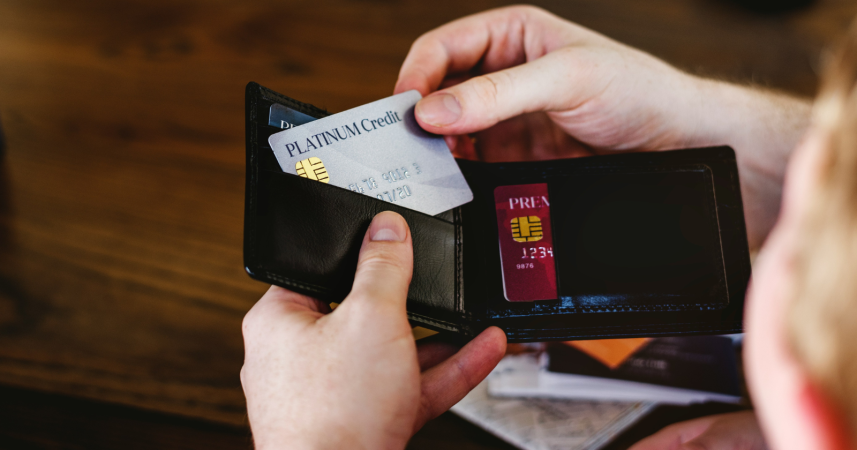
Ever wonder what that thick, worn leather wallet your dad carries around contains? I got a front-row seat to this generational time capsule recently when I helped my parents downsize their home. My father pulled out his wallet to show me something, and I watched in fascination as he unfolded what looked like a small filing cabinet from his back pocket.
As someone who spent nearly two decades as a financial analyst, I thought I'd seen every approach to personal finance. But watching him carefully organize items that haven't been relevant in years made me realize how much our relationship with money and identification has changed. The contrast between his wallet and mine (which is basically my phone case with two cards) couldn't be more stark.
This got me thinking about all those items older generations faithfully carry that would leave younger folks scratching their heads. So I did some digging, talked to friends and family across different age groups, and compiled this list of wallet artifacts that perfectly capture the generational divide.
1. A checkbook (yes, really)
When was the last time you wrote a check? If you're under 40, the answer might be "never" or "that one time for my landlord five years ago." Yet many boomers still carry a checkbook everywhere they go.
During my years in finance, I watched the slow death of check-writing firsthand. But for many older adults, that little booklet represents control and tradition. They'll pull it out at the grocery store while the line behind them grows, methodically writing out every detail while the cashier tries to explain they can just swipe their debit card.
The thing is, for them it's not just about payment. It's about the physical record, the carbon copy, the ritual of balancing their checkbook each month. There's something comforting about that paper trail that Venmo notifications just can't replace.
2. Business cards from 1987
I once watched my uncle proudly hand someone a business card with a fax number on it. A fax number! The card was so old the edges were soft, and the company listed had been out of business for a decade. Yet there it was, nestled among dozens of other ancient business cards he'd collected over the years.
Boomers treat business cards like trading cards, collecting them from every interaction and storing them indefinitely. Meanwhile, younger generations just connect on LinkedIn or exchange Instagram handles. We might keep a business card for exactly as long as it takes to add someone to our contacts, then straight to the recycling bin it goes.
3. Medical insurance cards for plans that expired in 2003
Why keep an insurance card from a job you left 20 years ago? Ask a boomer, and they'll tell you "just in case." In case of what, exactly? Time travel?
This habit speaks to a deep-seated fear of being caught without proper documentation. They lived through times when not having the right paperwork could mean genuine problems. Today's digital verification systems are foreign and untrustworthy to them. Better to carry that stack of expired cards than risk being without proof of... something.
4. Laminated social security cards
Here's something that makes younger people's heads explode: many boomers carry their actual Social Security card in their wallet. Not a photocopy, not the number memorized, but the actual card, often laminated for "protection."
The irony? Laminating it technically makes it invalid, and carrying it around is basically an identity theft starter kit. But try explaining that to someone who's carried it for 40 years without incident. They'll tell you about how they've always needed it for important occasions, while you silently panic about the security risk they're walking around with.
5. Phone number lists on actual paper
Remember when losing your phone meant losing all your contacts forever? Boomers do, which is why they still carry tiny, folded pieces of paper with phone numbers written in increasingly microscopic handwriting.
These lists are archaeological documents at this point. They include numbers for businesses that closed during the Clinton administration and people who've changed their numbers three times since. But that worn piece of paper represents security to them, a backup plan for when technology inevitably fails.
6. Rewards cards for stores that no longer exist
BlockBuster rewards card, anyone? Circuit City? Borders Books? The boomer wallet is a graveyard of retail history, each card a monument to a store that couldn't survive the digital revolution.
They keep these not out of nostalgia but from a genuine belief that the store might come back, or that somehow, someday, those points might transfer to something useful. The concept of letting go of a "perfectly good" rewards card is almost physically painful to them.
7. Emergency cash in denominations no one uses
Not just emergency cash, but specifically a $2 bill for luck, a few $50 bills (when did you last see one of those?), and sometimes even a silver dollar. This isn't spending money; it's apocalypse money, hidden in secret compartments of their wallet.
The idea that you can exist without physical cash is genuinely frightening to many boomers. What if the power goes out? What if the credit card machines break? What if you need to tip someone? These scenarios keep them carrying enough cash to fund a small business.
8. Membership cards to organizations they haven't visited in decades
AAA cards from the 1990s, library cards from three states ago, membership cards to social clubs they attended twice. Each card represents a commitment they made, and throwing it away feels like breaking that commitment, even if they haven't thought about that organization in years.
Younger generations can't fathom keeping physical proof of every membership. We barely remember our passwords, let alone carry cards for them. Everything's in an app or linked to our email. But for boomers, that physical card is proof of belonging, of membership, of being part of something.
9. Photos of grandchildren from their toddler years (who are now 25)
Before smartphones, showing pictures meant carrying actual photographs. Many boomers still have that little plastic accordion of family photos, each one carefully selected and preserved behind cloudy plastic.
These aren't updated regularly. That photo of little Tommy on his tricycle? Tommy's in grad school now. But that's not the point. These photos represent a moment in time they want to carry with them, a physical reminder of love that doesn't require battery life or WiFi to access.
10. Handwritten passwords on paper scraps
Perhaps nothing exemplifies the generation gap quite like the boomer approach to password management. While younger folks use password managers or biometric logins, many boomers carry a folded piece of paper with every password they've ever created, usually with helpful labels like "bank thing" or "computer password."
The security risk is obvious to anyone under 50, but to them, the greater risk is forgetting a password and being locked out forever. That piece of paper is their master key to the digital world, and they guard it with their life while simultaneously carrying it everywhere they go.
Final thoughts
Looking through my father's wallet that day wasn't just amusing; it was like holding a piece of history. Each item tells a story about how we used to live, what we used to value, and how much the world has changed in just a generation or two.
Sure, these items might seem baffling to those of us who manage our entire lives through our phones. But they represent something deeper: a tangible connection to the past, a physical backup system, and a level of preparedness that comes from living through times when technology wasn't always reliable.
Maybe we can learn something from both approaches. The minimalist digital wallet has its advantages, but so does being prepared for situations where technology fails. And who knows? In 30 years, someone might write an article about the weird things millennials used to do, like carrying around a separate device just for making phone calls.
What really matters isn't what we carry, but understanding why different generations approach these everyday items so differently. After all, that worn leather wallet full of "useless" items has served them pretty well so far.
Just launched: Laughing in the Face of Chaos by Rudá Iandê
Exhausted from trying to hold it all together?
You show up. You smile. You say the right things. But under the surface, something’s tightening. Maybe you don’t want to “stay positive” anymore. Maybe you’re done pretending everything’s fine.
This book is your permission slip to stop performing. To understand chaos at its root and all of your emotional layers.
In Laughing in the Face of Chaos, Brazilian shaman Rudá Iandê brings over 30 years of deep, one-on-one work helping people untangle from the roles they’ve been stuck in—so they can return to something real. He exposes the quiet pressure to be good, be successful, be spiritual—and shows how freedom often lives on the other side of that pressure.
This isn’t a book about becoming your best self. It’s about becoming your real self.