If you’ve ever doubted whether your small routines count, look at the everyday objects carrying the evidence: containers, notes, plants, shoes.
I have a soft spot for the little signals of a life that’s working.
Not the flashy stuff—just the quiet artifacts that say, “Hey, I’ve got systems. I’m showing up.”
If you’ve ever wondered whether your day-to-day efforts count, they do.
And you don’t need to announce them. Your everyday items announce them for you.
Let’s get into the proof you might already be carrying around.
1. A beat-up reusable water bottle
What does a scuffed bottle say? Consistency.
You hydrate on purpose. You leave the house prepared. You care enough about your future self to bring the thing that keeps headaches, cravings, and afternoon slumps at bay.
Mine is covered in trail dirt and crooked stickers from local farmers’ markets. I’ve learned that when I keep it within arm’s reach, I snack more sanely and think more clearly. It’s not glamorous—but it’s a quiet flex of routine and self-respect.
If your bottle is always with you (and occasionally left on meeting tables and yoga studio benches like mine), you’re not winging your day. You’re fueling it.
2. A dog-eared library book or an overstuffed notes app
A well-used library card—or a notes app with highlights, voice memos, and half-baked questions—signals you’re playing the long game.
You’re learning. You’re humble enough to be curious and organized enough to capture insights when they surface.
I keep a small rule for myself: if a passage makes me sit up a little straighter, I jot down why. Those notes eventually become better decisions at work and gentler conversations at home.
I also keep this line taped to my desk: “You do not rise to the level of your goals. You fall to the level of your systems.” — James Clear.
Systems can be as simple as: carry a book; capture a thought; review once a week. That’s what an annotated paperback or a messy note archive reveals—you’re building repeatable ways to think better.
3. Meal-prep containers and a trusty grocery tote
When I see someone with stained-but-clean glass containers and a tote that has survived a hundred produce runs, I don’t think “domestic.” I think “strategic.” You’ve linked your values (health, budget, eco-sense) to visible tools.
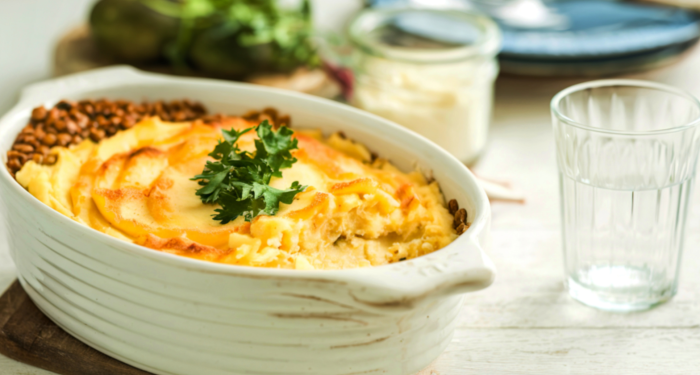
Meal-prep containers say you’ve pre-decided what Future You will eat when Decision-Fatigue You is tempted to scroll delivery apps. A tote says you planned your stops. If there’s a little container of roasted chickpeas or a jar of tahini dressing in your fridge, that’s not just food; it’s friction removed from your week.
As Michael Pollan put it, “Eat food. Not too much. Mostly plants.” Simple, yes—yet pre-packing grains, chopping veg on Sundays, or keeping beans in rotation takes real forethought. Those containers on your counter are the receipts.
4. A simple budget tracker or a small “rainy-day” jar
Maybe it’s an app with categories you actually check. Maybe it’s an envelope with train tickets and a note that reads “Paris Fund (or Patio Herb Garden… we’ll see).”
Either way, you’ve turned intention into visibility.
I spent years as a financial analyst. I’ve watched people with high incomes feel strapped and people with average incomes feel steady. The differentiator wasn’t a secret asset class—it was awareness. Money you can see is easier to manage than money you only mean to manage.
Tape this reminder where you’ll notice it: “How we spend our days is, of course, how we spend our lives.” — Annie Dillard. If your day includes a quick budget glance or a habit of moving $25 to savings when you make coffee at home, you’re running a quieter but stronger race than it appears from the outside.
5. A thriving houseplant or windowsill herb pot
You don’t keep a plant alive by accident. You notice light. You remember watering day. You troubleshoot yellow leaves and nudge the pot a foot to the left. That’s observation + follow-through—a powerful combo for any goal.
My basil tells on me. When life gets too crowded, it droops. When I slow down—water, pinch, repot—it rebounds, and so do I.
If you’ve kept a pothos or rosemary going through the seasons, you’ve proven you can tend to living systems (including your own). That’s not small.
Bonus: growing herbs at home quietly reinforces the plant-forward meals you intend to make. Fresh mint or chives on a Tuesday is a nudge toward the kind of eater you say you are.
6. Shoes that are broken in, not broken down
Look at your everyday pair. The laces know your hands. The tread is worn but not bald. That’s miles. That’s errands walked, stress cleared, calls taken outside, and podcasts that taught you something.
I’m not impressed by pristine gear; I’m impressed by honest wear. Broken-in shoes say you move your body without a production—no “perfect” workout outfit required.
A twenty-minute walk between meetings. A trot with the dog at sunset. Steps don’t brag, but they compound.
If you’ve replaced insoles, learned to tie a runner’s knot, or swapped to a wider toe box because that’s what your feet actually need, you’re practicing a form of self-respect most people skip: you adapt your environment to your body, not the other way around.
7. A tiny mending kit or basic toolbox
I keep a jar with needles, strong thread, a couple of buttons, a mini screwdriver, and painter’s tape. Nothing fancy.
But this small thing changes my posture toward problems—from “Ugh, I guess I need a new one” to “I bet I can fix that.”
Sewing a loose hem, tightening a wobbly chair, or patching a backpack strap isn’t about frugality alone (though that’s a perk). It’s about agency.
Every quick repair is a vote for “I can figure things out.”
And once you carry that vote into bigger arenas—career pivots, communication rifts, health habits—you become the person who does something when something needs doing.
A mended sleeve is more than a sleeve. It’s a reminder that resilience often looks like tiny interventions performed consistently.
Final thought
If you recognized a few of your own items here, take the win. There’s a reason so many “success stories” are boring up close: they’re built on unsexy tools used every day.
These objects—your bottle, your notes, your tote, your budget jar, your basil, your shoes, your mending kit—are a portrait. Not of perfection, but of attention. And attention is the most generous thing we can give to our bodies, our money, our food, and our future selves.
I’ll leave you with one small challenge for this week: pick one item on this list and move it two inches closer to your daily flow. Put the water bottle on your desk, not behind you. Drop a sticky note inside your book with a single question to answer. Pre-portion tomorrow’s lunch in that container. Two inches of friction removed can be the difference between “I meant to” and “I did.”
You’re doing better than you think. Let your everyday things make the case.
If You Were a Healing Herb, Which Would You Be?
Each herb holds a unique kind of magic — soothing, awakening, grounding, or clarifying.
This 9-question quiz reveals the healing plant that mirrors your energy right now and what it says about your natural rhythm.
✨ Instant results. Deeply insightful.