Looking good is a byproduct. Feeling grounded, rested, and connected is the real goal.
Some cultures seem to glow from the inside out. South Korea is a standout example, and the secret is not a single miracle product.
The secret is a handful of small habits that are simple, steady, and easy to copy. None require a new identity or a full overhaul. They fit into real days, which is exactly why they work.
Try two or three, then notice what changes over the next month.
1. Sunscreen is non-negotiable
Daily SPF is treated like brushing your teeth. It is routine, not a performance.
Broad-spectrum sunscreen protects collagen, helps prevent discoloration, and keeps skin calm over time. Keep a tube by the door and another in your bag so there is never an excuse. Reapply every two hours when you are outdoors, even if the sky looks cloudy. Your future self will be grateful for the consistency.
Make it easy: choose a lightweight SPF 50 that works under makeup or on bare skin, then set a phone reminder for midday reapplication.
2. Fermented foods at almost every meal
Kimchi, dongchimi, and other fermented sides show up with breakfast, lunch, and dinner across South Korea.
These foods deliver probiotics and flavorful saltiness in small portions. A steady trickle of ferments supports a diverse gut microbiome, which is linked with calmer skin, better digestion, and more stable mood and energy. You do not need a giant bowl to get benefits. A spoonful or two with a regular meal is enough.
Try this today: add a little kimchi to scrambled eggs, stir a teaspoon of miso into soup, or drink a small glass of plain kefir in the afternoon.
3. Bathhouse heat, cold, and a good scrub
Jjimjilbang culture revolves around cycles of warmth, coolness, and rest. The pattern is simple.
Warm up in a dry or wet sauna, take a brief cool plunge or cool shower, then relax and hydrate. Many people also book a full-body scrub to remove dull surface buildup. Beyond the clean-skin effect, this ritual encourages circulation and a sense of reset.
No bathhouse nearby: run a warm shower for a few minutes, switch to cool water for 30 to 60 seconds, repeat two or three times, then moisturize while skin is still damp.
4. Walking as the default setting
In Seoul, walking is built into everyday life. People walk to transit, through long subway concourses, and along riverside paths after work. That steady movement functions as a quiet anti-aging tool. Circulation improves, stress drops, and sleep becomes easier.
Ten to twelve thousand steps can happen without a formal “workout,” which removes friction and excuses.
A small shift: turn the last 15 minutes of your day into a neighborhood stroll. Leave your phone in your pocket. Let your eyes rest on faraway objects such as rooftops, trees, and sky, which relaxes the small muscles around the eyes.
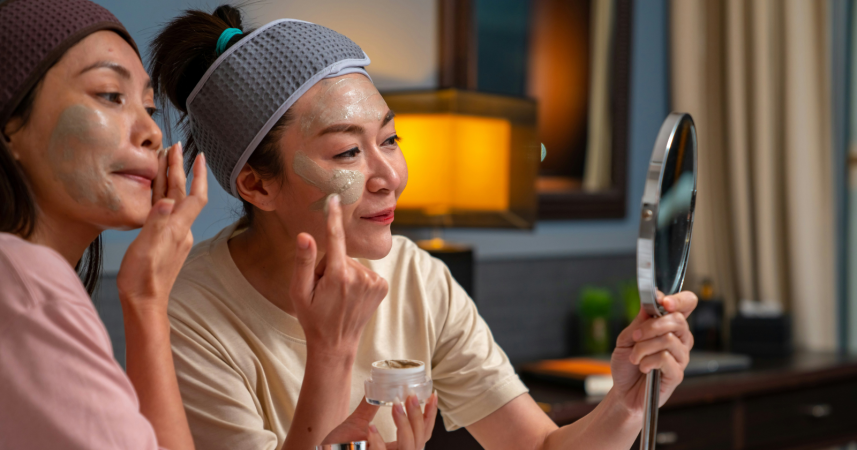
5. Layering skincare like a tiny ceremony
The famous “10-step routine” is not a rule. It is a menu. The more important element is how products are applied.
Gentle cleansing, a watery essence, a cushy moisturizer, and SPF by day will serve most faces. At night, many people rotate a retinoid or a mild acid, then seal with moisturizer. The motion is unhurried. Products are pressed into the skin rather than rubbed aggressively.
Hydration takes center stage, and exfoliation is kept in check to protect the skin barrier.
Template to copy: cleanse, use essence, apply moisturizer, then SPF in the morning. Cleanse, apply retinoid or mild acid, then moisturizer at night.
6. Tea breaks instead of snack breaks
Offices and homes keep roasted barley tea, corn silk tea, and green tea on hand. These drinks create warm pauses during the day without a sugar spike. A mug of barley tea at 3 p.m. often takes the edge off cravings and puts a natural speed bump between you and mindless snacking. Screen time tends to taper when the kettle is involved, and that helps more than most people realize.
A calmer nervous system shows on the face faster than any high-tech serum.
Practical move: brew a large carafe of unsweetened tea in the morning and keep it within reach. Sip first, then decide whether you are truly hungry.
7. Micro-movement all day long
South Korean cities invite small bursts of movement. Stairs appear everywhere, and people use them without drama.
This approach beats long stretches of stillness. When a gym session is not in the cards, insert movement snacks during ordinary transitions. Do calf raises while the kettle boils, take the stairs for two floors, or try a 10-minute evening stretch. Mobility work, especially for hips and thoracic spine, keeps posture open and stride length natural, which reads as youthful.
Anchor the habit: place a resistance band by your desk and a foam roller near the couch. If the tool is visible, the movement happens.
8. Eating color, not perfection
Banchan, the many small side dishes served with Korean meals, deliver variety in petite portions.
Greens, seaweed salads, sprouts, mushrooms, and pickled roots create a colorful spread. Think of your plate as a portfolio. Diversity lowers risk. The same is true for micronutrients and fiber. Aim for three distinct colors at each meal. Beige breakfast today can be followed by a green and orange lunch, then a purple or red addition at dinner.
Low-effort upgrade: add one extra plant to each meal. A handful of greens, a spoonful of kimchi, sliced cucumber, grated carrot, or some steamed broccoli will do. Compounding is your friend.
9. Early nights and consistent wakeups
Plenty of nightlife exists in Seoul, yet weekday routines still protect sleep. A consistent bedtime and wake time shape hormones that influence appetite, mood, and skin repair. The most reliable radiance habit is not glamorous. It is simply going to bed at a steady hour and letting your body run its nighttime maintenance.
Routine to steal: dim the lights an hour before bed, wash your face early so the step does not get skipped, and charge your phone outside the bedroom. If needed, set a reverse alarm that tells you when to wind down.
10. Community as part of the wellness plan
There is a Korean concept called jeong. The word describes a warm, steady affection among people who share time and daily life.
You can feel it in shared meals, group hikes, and the little kindnesses that pass between neighbors. Social connection protects mental health, which lowers stress chemistry and softens how tension maps onto the face. Youthfulness is not only topical. It is relational.
Choose your circle: book club, choir, pickup basketball, temple, volunteer shifts, or trivia night. Put the gathering on your calendar like a medical appointment and keep the date.
How to start without turning this into a project
- Pick two rituals that look easiest this week.
- Decide when and where each one will happen. Put SPF by the door, keep kimchi next to the eggs, schedule a 3 p.m. tea, or block a 15-minute walk after dinner.
- Track how you feel, not only how you look. Monitor sleep quality, digestion, and mood. Those are the dashboards that matter.
The larger idea is simple. Youthfulness is less about fighting time and more about moving through the day on purpose. A dab of sunscreen, a spoonful of kimchi, a brisk walk at dusk, a warm-cool rinse, and tea with another human add up. Small steps, repeated often, prevent big problems later and build a calm, bright baseline that no quick fix can touch.
If You Were a Healing Herb, Which Would You Be?
Each herb holds a unique kind of magic — soothing, awakening, grounding, or clarifying.
This 9-question quiz reveals the healing plant that mirrors your energy right now and what it says about your natural rhythm.
✨ Instant results. Deeply insightful.