
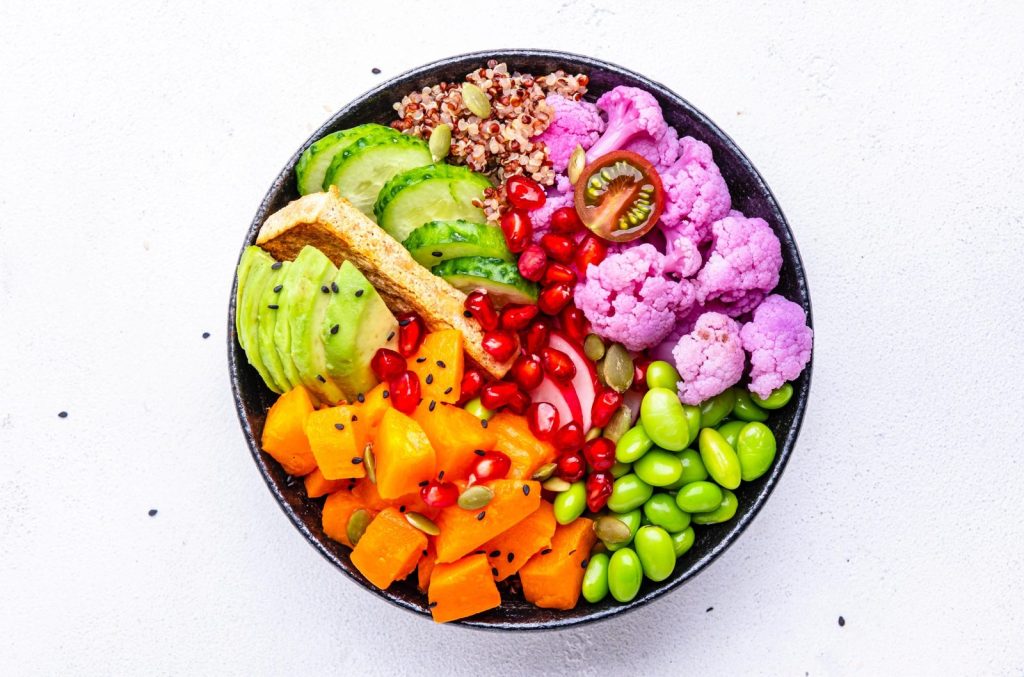
The answer is messier than we'd like. Your microbiome — the community of bacteria, fungi, archaea and viruses associated with the body — is not just along for the ride. It interacts with digestion, metabolism and immune function. Researchers are also studying links between the gut and the brain, but many findings are associative or come from animal models and should not be turned into promises about mood, cravings or thought.
And here's what makes this truly strange: the state of your inner ecosystem mirrors the state of the world you live in. Your gut is a living record of your culture's values, myths, and pathologies.
Modern life is rewriting your microbiome like a bad editor with a red pen. And your body is starting to notice.
The Microbiome as Mirror
Microbes respond to the same things humans do.
Microbial communities respond to diet, medicines, illness, environment and many other influences. Diversity is one useful research measure, but more is not automatically better in every context, and microbes do not become 'anxious.'
Some of these relationships can be measured, but the evidence does not justify giving microbes human motives or emotions.
Stress physiology, diet and social conditions may be associated with changes in the gut microbiome. The direction of cause and effect is often difficult to separate, and the evidence does not show that one cortisol spike, a repetitive menu or a period of solitude automatically kills microbial species.
The parallels can be suggestive, but they are not precise enough to diagnose a person's wellbeing from a microbiome profile.
The microbiome can both influence and reflect aspects of health, while genetics, age, medicines, infections, geography and many unmeasured factors complicate the picture.
The relationship can run both ways. Gut microbes produce metabolites and interact with immune and nervous-system pathways. Translating those mechanisms into individual predictions about mood or gene expression remains an active field of research.
Your microbes are not passengers. They're co-authors of your biology.
And right now, for most people in industrialized societies, that biology is telling a very specific story.
If sleep, stress or diet are concerns, they deserve attention on their own terms. A stool sample cannot be assumed to contain a miniature record of planetary biodiversity loss.
Microbial communities can shift in composition, but political metaphors should not be mistaken for a clinical description of an individual's gut.
How Culture Reshapes Your Inner Ecology
Microbes may be one influence on appetite and food preference, but human cravings are also shaped by physiology, learning, availability, culture and habit.
Microbial metabolites can interact with gut-brain signalling. That is not evidence that bacteria issue specific instructions to eat sugar, fat or fibre, or that most food choices are microbial demands.
And here's where another variable enters the equation — one that influences not just what you eat, but how you eat, when you eat, even what eating means: culture.
For most of human history, cultures understood the body as something fundamentally wild. Your health depended on right relationship with plants, soil, seasons, microbes, community.
Food was ceremony. Bacteria were allies. Stress was temporary, tied to real threats, resolved through rest and ritual. The body was an ecology you belonged to, not a machine you operated.
Then came industrialization and a new story: the body as mechanism.
Medicine became mechanical intervention. Food became fuel input. Bacteria became enemy invaders. Productivity became virtue. Rest became weakness.
The goal shifted from harmony to control, from collaboration to optimization, from presence to performance.
This wasn't just philosophy. It was instructions that reached the cellular level.
Diet helps shape which microbes are supported in the gut. 'Convenience food' is a broad category, however, and microbes respond to chemical substrates rather than recognising foods as culturally authentic or dead.
Low-fibre dietary patterns can reduce substrates used by some gut microbes. The resulting changes vary among people and do not establish a simple chain in which one group starves, another takes over and cravings inevitably intensify.
Personal preference remains personal. Microbiome research may eventually clarify one part of appetite, but it does not erase agency or the many other influences on eating.
Antibiotics and sanitation have saved lives while also changing human microbial exposures. The health effects depend on the intervention and context; it is inaccurate to collapse infection control, hygiene and unnecessary antibiotic use into a century-long 'war' that destroyed one universal ancestral microbiome.
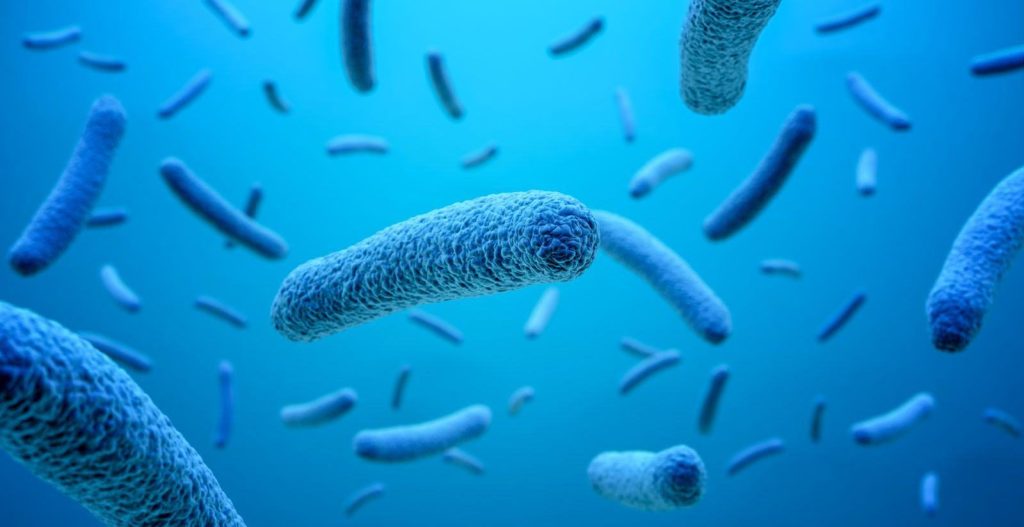
Antibiotic effects vary by drug, dose and person. In one small study of 12 healthy men given a four-day combination of three broad-spectrum antibiotics, overall gut composition returned near baseline within about 1.5 months, although nine common species remained undetectable in most participants after 180 days. That does not support a universal two-year recovery time after any single course.
Studies cited below found important differences between the gut microbiomes of small Indigenous or traditional-lifestyle groups and industrialised populations. They do not establish that every industrialised person has lost a fixed 30-50 percent of microbial diversity, and differences may reflect diet, geography, medicines, sanitation, pathogens and other conditions.
Chronic stress can affect multiple body systems and has been associated with microbiome differences. It does not follow that stress always produces a cortisol surge, an inflammation spike and a collapse in microbial diversity.
A culture that rewards overwork can still make rest and varied meals harder. Those pressures matter without treating every digestive symptom as a message from the microbiome.
The useful point is less absolute: modern diets, medicines and environments can shape the microbiome, while many of those same changes have also improved survival and health. Evidence matters more than one totalising cultural story.
Your Microbiome Is Biography, Not Just Biology
Each person's gut community is shaped by a changing combination of diet, age, medicines, health, environment, geography and other exposures. Beliefs and culture may affect some of those inputs, but they cannot be read directly from bacteria.
Researchers have reported associations between gut-microbiome patterns and depression or anxiety, but there is no validated stool test that can, by itself, predict an individual's likelihood of either condition.
The gut-brain relationship includes biochemical and bidirectional pathways, but it is not yet precise enough to explain an individual's mental state or replace established assessment and care.
Modern society values speed over presence, convenience over care, productivity over rest, profit over ecology, perfection over humanity.
Those pressures may influence health behaviours, but values do not map cleanly onto a microbiome profile, and neither anxiety nor metabolic dysfunction can be inferred from microbial diversity alone.
Your environment can shape your health. Plant-rich dietary patterns can support gut microbes that ferment fibre, but evidence does not guarantee clearer thinking, emotional balance or a better mood from a more diverse microbiome.
Which means changing what you eat isn't just changing your health. It's changing your relationship with the world — from passive consumer of whatever industrial food systems produce to active participant in ecological relationships that predate those systems by millions of years.
You stop being someone culture feeds and become someone choosing which biological conversations to engage in.
And when you shift from consuming what's convenient to nourishing what's alive, you start changing which world you're participating in.
Plants as Ecological Correction
Plant-rich diets can provide fibre and polyphenols used by gut microbes. Whether a strictly vegan diet produces a 'better' microbiome depends on the foods eaten and the outcome measured.
A more evidence-based claim is also useful: eating a varied range of minimally processed plant foods can broaden the substrates available to gut microbes.
Every plant you eat introduces new fibers, polyphenols, and nutrients that different microbes feast on. Diversity in your diet translates to diversity in your microbiome, which translates to resilience.
The popular target of 30 plant foods per week came from an observational analysis in the American Gut Project: participants reporting more than 30 types had greater microbial diversity than those reporting fewer than 10. It is not a universal epidemiological guideline or proof that 30 is a biological threshold.
A plant-rich gut isn't ruled by one or two bacterial tyrants. It becomes a multiparty system where cooperation trumps domination.
Some people may notice digestive changes when they increase plant variety; others may need to increase fibre gradually or seek individual clinical advice. Mood, focus, cravings and inflammation cannot be promised from this strategy.
Microbes metabolise particular fibres and compounds found in plants. They do not recognise foods or read them as texts.
The process is biochemical. It can still be meaningful to experience food as a connection to farming, season and place, but that is a human interpretation rather than microbial memory.
Supporting health does not always require elaborate protocols. A varied diet built around accessible whole and minimally processed foods is a practical starting point, while medical needs and tolerances differ.
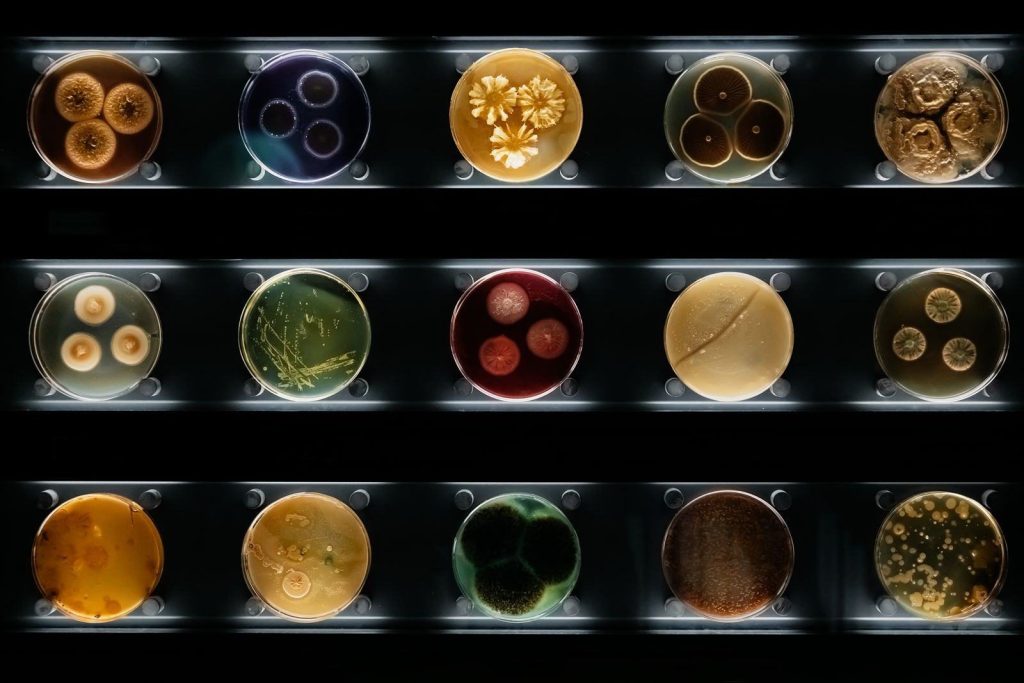
Patterns Over Perfection
Here's the uncomfortable truth about changing your microbiome: there's no single moment of transformation. No clean break between "before" and "after." No magic threshold where you've officially decolonized your gut from industrial food culture.
What matters isn't purity. It's direction.
One meal rarely defines a long-term dietary pattern. Repeated habits can influence microbial composition, although there is no single ideal set of species to amplify.
Meals provide substrates that can favour different microbial functions. The effect is not a vote with a predictable result, and no single meal selects one fixed version of your biology.
The question isn't whether you're perfect. It's whether you're moving toward relationships your body recognizes or continuing to participate in the ones culture sold you.
This is harder than it sounds, because culture doesn't just sell you bad food. It sells you the framework that makes changing feel impossible: the all-or-nothing thinking, the guilt, the idea that if you're not doing it perfectly you might as well not bother.
These are the same patterns that keep you consuming, keep you stressed, keep you treating your body like a machine that needs to perform rather than an ecology that needs to breathe.
Your microbiome has no wants and makes no judgments. Paying attention to a sustainable dietary pattern can still be more useful than chasing perfection.
And attention, practiced consistently, eventually becomes transformation.
What Your Gut Is Trying to Tell You
Your microbiome is biology influenced by parts of your biography. It changes over time, but it is not a complete archive of every meal, medicine, sleepless night or emotion.
It can reflect some exposures; it cannot reveal a culture's values, detect dishonesty or tell you what your mind is hiding.
What microbiome research is telling us is more modest: human microbial communities are variable, responsive and still only partly understood.
Microbes do not deliver lifestyle verdicts. Questions about pace, food systems and connection to nature may matter, but they should be argued as social and personal questions rather than presented as messages decoded from the gut.
A well-planned plant-based diet can be health-supporting, but it is not a microbiome cure or an ecological correction inside every individual body.
Thinking of the body as an ecosystem can encourage care rather than optimisation. Increasing plant variety may support different microbial functions, but outcomes differ and 'restoring' one ancestral microbiome is not a scientifically defined goal.
Diet is only one influence on the microbiome, and a high-fibre diet is not appropriate in the same way for every medical condition or digestive system.
Rest, community and time outdoors may support wellbeing for many reasons. They should not be prescribed as things the microbiome 'wants.'
The practical invitation is human: build habits you can sustain and be wary of biological stories that sound more certain than the evidence.
If persistent gut symptoms are trying to tell you something, discuss them with a qualified health professional rather than trying to diagnose them through microbiome metaphors.
Footnotes:
1. Obregon-Tito et al., *Subsistence strategies in traditional societies distinguish gut microbiomes*, *Nature Communications* (2015). https://www.nature.com/articles/ncomms8505
2. Clemente et al., *The microbiome of uncontacted Amerindians*, *Science Advances* (2015). https://www.science.org/doi/pdf/10.1126/sciadv.1500183
Correction (14 September 2026): The article previously repeated the obsolete 10:1 bacteria-to-human-cell ratio and overstated evidence about cravings, stress, antibiotics, mental health and diet. The claims and deck have been corrected and qualified.