Food is memory and momentum; the plates we grew up with taught us to squeeze joy from limits, build flavor with patience, and take pride in small things done right.
You can tell a lot about a culture by what it eats when money’s tight.
I grew up on hand-me-down recipes and discount-aisle hustle, then spent my 20s in luxury dining where a splash of demi-glace could turn a Tuesday into a celebration.
Here’s the twist I saw from both sides of the pass: The dinners we once called “just food” now headline menus with wine lists that need their own chair.
I’m not mad about it because beneath the price tag is a set of skills—resourcefulness, detail, pride—that works in any part of life.
If you’ve ever made something great from almost nothing, you already know the playbook:
1) Beans and rice
When I was broke, beans and rice meant stretching a dollar until it squeaked.
On better nights, I’d bloom garlic in oil, add cumin, simmer black beans with a bay leaf, and spoon it over rice with lime.
It tasted like calm.
Now you’ll see “heirloom bean bowls” with charred scallions, pickled onions, and a farm egg.
Same backbone, sharper technique.
What changed was the intent: Soak beans in a light brine, season in layers, finish with acid and herbs.
Care turns basic into beautiful.
Life lesson: Most “luxury” is fundamentals done well.
Dried beans, 1 tablespoon salt per quart to soak, gentle cook with aromatics, olive oil and citrus to finish.
Add roasted veg and a salsa verde and you’ve got the $30 vibe for pocket change.
2) Tinned fish on toast
Sardines on toast used to be “more month than money.”
In dining rooms, they’re “conservas” in colorful tins with good bread, parsley, and lemon zest.
Suddenly, it’s craveable!
The difference is curation.
Choose better tins, toast better bread, add freshness and crunch.
Selection is a skill.
That applies off the plate too: Pick mentors, tools, and inputs with intention instead of hoarding “more.”
Five-minute home plate: Toast thick sourdough, rub with garlic, layer sardines or mackerel, squeeze lemon, crack pepper, add a quick pickle or shaved fennel.
Serve the tin on the plate like a medal—pantry dinner and proud posture.
3) Ramen
My starter pack was instant noodles, one egg, and optimism.
Real ramen asks for time: Long-simmered broth, balanced tare, springy noodles, toppings with purpose.
You’re not just paying for ingredients—you’re paying for patience.
Some outcomes can’t be rushed without losing the soul of the thing.
Deep skill compounds like interest.
Weeknight upgrade: Boost store stock with kombu and dried mushrooms, whisk in miso, add soy and mirin, finish with scallions, sesame, chili oil.
Soft-boil an egg and marinate it while you set the table.
Under $5, major comfort.
4) Grilled cheese and tomato soup
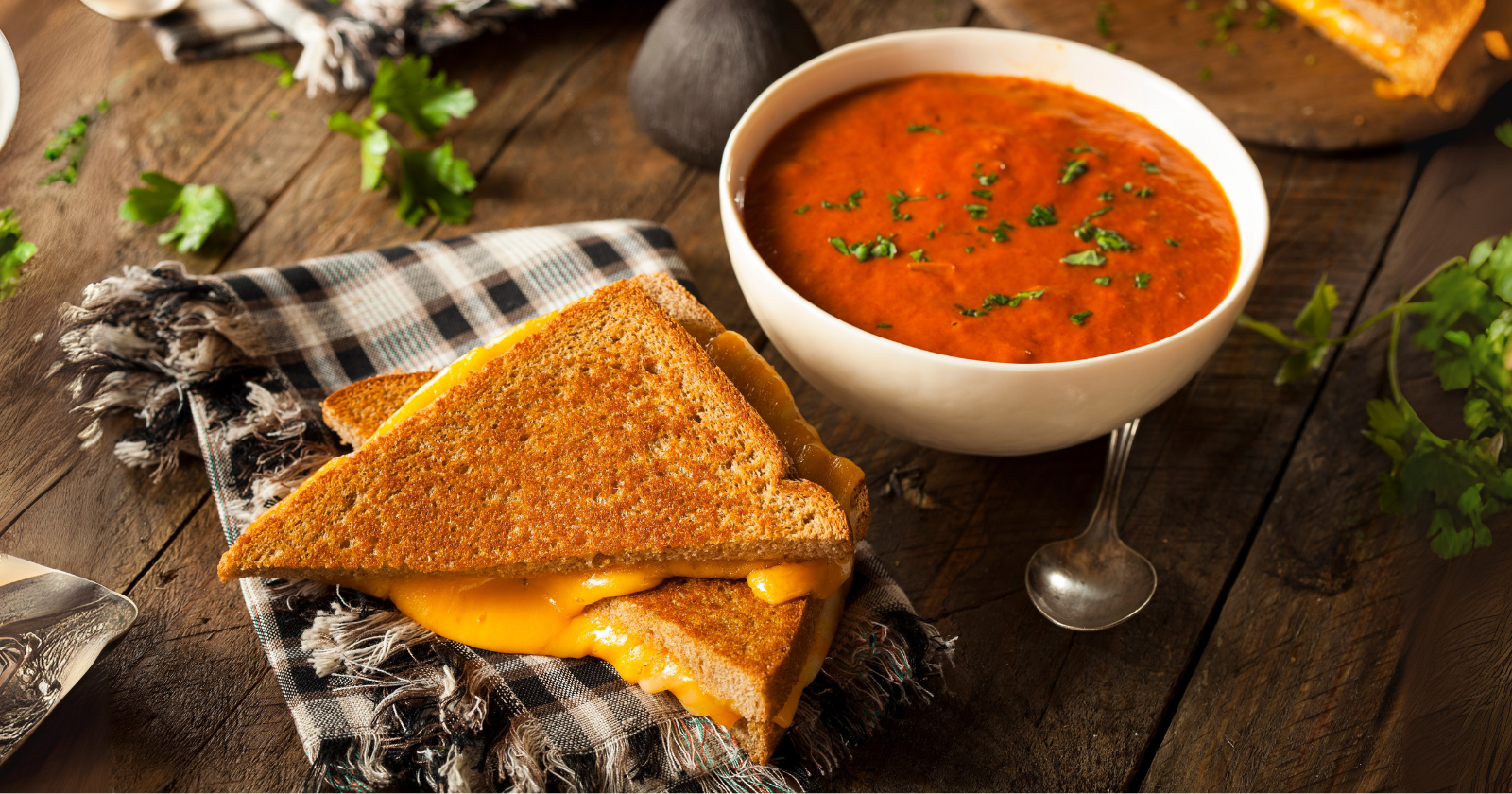
Our version was white bread, American singles, and canned tomato soup thinned with water so everyone got seconds.
Today it’s “raclette toastie with San Marzano bisque.”
You roll your eyes, then you dunk a corner and remember why comfort wins.
Technique makes the difference: Use two cheeses for flavor and melt, butter edge-to-edge, cook medium so the inside liquefies as the outside crisps.
Add a texture bridge by adding pickled jalapeños, caramelized onions, or paper-thin tomato.
Roast tomatoes for the soup, blend, finish with a touch of cream or oat milk and a splash of sherry vinegar.
Small upgrades, when repeated, transform outcomes.
5) Mac and cheese
Boxed mac was our entire food pyramid for a while.
Now you’ll find “aged cheddar macaroni with truffle and herb crumbs.”
Sometimes hype, but when it’s good, it’s a masterclass in balance.
Béchamel base, mix of cheeses (sharp for flavor, melty for texture), generous seasoning with mustard powder, and a hit of acid at the end—lemon juice or hot sauce—to wake it up.
Top with toasted, herbed breadcrumbs for crunch.
Without texture and acidity, richness gets boring fast.
Guardrails protect pleasure, so a good home move would be: Cook pasta just shy of al dente, finish in the sauce with a splash of pasta water, fold in roasted broccoli or peas, shower with chives.
Voilà! Leftovers that feel like a favor.
6) Bologna sandwich
Plenty of us hid the bologna-and-mustard sandwich in our lunchboxes.
Now, the glow-up is mortadella on a warm sesame roll with pistachio pesto, stracciatella, and a whisper of honey.
Same idea—emulsified meat and fat—reborn through quality and balance.
I watched a chef gently sear mortadella to wake the fat, then stack with peppery greens and lemon.
The sandwich sang because someone cared about contrast.
You don’t need to abandon your past to improve it; iterate, keep the soul, and upgrade the parts.
Toast the bread, use mortadella if you can (or a good turkey if you can’t), add something creamy, something sharp, something crunchy.
That triangle—fat, acid, texture—turns “just a sandwich” into a moment.
The bottom line
Food is memory and momentum.
The plates we grew up with weren’t cheap; they were smart.
They taught us to squeeze joy from limits, build flavor with patience, and take pride in small things done right.
When you see an “elevated” version of your old dinner wearing a $30 tag, smile.
Let it remind you that fundamentals—when practiced with care—can take you anywhere.
Then go home, toast the bread, brine the beans, squeeze the lemon, and turn simple into special.
What’s Your Plant-Powered Archetype?
Ever wonder what your everyday habits say about your deeper purpose—and how they ripple out to impact the planet?
This 90-second quiz reveals the plant-powered role you’re here to play, and the tiny shift that makes it even more powerful.
12 fun questions. Instant results. Surprisingly accurate.