The taste of celebration often hides in the humblest foods—the ones that reminded us we mattered, even when life felt ordinary.
Growing up, there was a quiet rhythm to how we celebrated. Birthdays, holidays, anniversaries—those moments weren’t just marked by cards or gatherings, but by food.
And here’s the thing: for many lower middle class families, those “special occasion” foods weren’t extravagant or rare. They were simple, sometimes even affordable, but they carried a weight of meaning that elevated them above the everyday.
When you don’t have endless resources, you learn to attach celebration to the little extras—the items that weren’t part of the weekly grocery run but felt luxurious when they finally made it to the table.
This isn’t just about economics. Psychologists often note that scarcity makes us savor things more. When you can’t have something all the time, you attach greater symbolic meaning to it.
Let’s explore nine foods that still carry that aura of treat-status.
1. Steak on the grill
Ask anyone who grew up in a working-class family what counted as a splurge, and steak will come up fast. It wasn’t just about the cost—it was about the ritual. The marinating, the sizzling grill, the rare chance to feel like you were “living big.”
It wasn’t filet mignon or dry-aged ribeye either. More often, it was a pack of sirloin or T-bone picked up on payday. But those cuts, cooked outdoors with family standing around, made you feel like the day was bigger than usual.
Psychologists note that ritual is what elevates food into memory. In his work The Meaning of Food in Our Lives: A Cross-Cultural Perspective on Eating and Well-Being, Dr. Paul Rozin argues that food isn’t just nutrition; it’s deeply symbolic.
The how and when of eating—shared meals, special occasions, the preparation—create meaning, identity, and memory.
For many families, steak night wasn’t just dinner—it was proof you’d arrived at something worth celebrating.
2. Lobster or crab
Seafood often sits on the edge of indulgence. For the lower middle class, lobster or crab meant someone got a promotion, a tax refund arrived, or it was the one vacation week of the year.
I still remember going to a Red Lobster for the first time as a kid and feeling like we were eating like royalty. It wasn’t about Michelin stars; it was about stepping into a different world for a couple of hours.
This is where psychology and culture intersect. Studies show that foods tied to meaningful past eating occasions have stronger emotional impact and are more likely to be remembered—and that those memories can shape our food preferences.
Lobster wasn’t just food—it was an event. That sense of crossing into luxury is why shellfish is still tied to special occasions in many households.
3. Bakery cakes
Sure, you could bake a cake from a box mix at home, and most families did. But ordering from a bakery—the kind with your name written in frosting and delicate sugar flowers—was something else entirely.
Birthdays felt more “official” when a bakery cake arrived on the table. It symbolized effort, expense, and being worth going the extra mile for.
Even now, you can see the magic in kids’ faces when a bakery cake comes out with candles blazing. It’s not just sugar and flour—it’s validation. Someone thought you were worth it. And for a lot of families, that mattered more than the taste.
4. Shrimp cocktail
Funny enough, shrimp is now fairly common in freezer aisles, but for decades, shrimp cocktail was shorthand for sophistication. Those little glass cups with cocktail sauce and neatly hung shrimp? Instant celebration.
Even today, setting out shrimp at a party feels elevated. It’s a perfect example of how context transforms a food item. In everyday life, it might be just another protein. At a holiday spread, it’s a delicacy.
I once volunteered at a community dinner where shrimp cocktail was served during the holidays. The looks on people’s faces told you everything—you don’t need caviar to feel special, just something slightly outside the ordinary.
5. Turkey dinner
Yes, turkey shows up on countless weeknight menus now as deli slices or ground meat, but the whole roasted bird—complete with stuffing, gravy, and all the fixings—is still a once- or twice-a-year experience.
For many families, Thanksgiving and Christmas weren’t about the presents or the decorations as much as they were about the bird on the table. That golden centerpiece carried a symbolic weight: togetherness, tradition, and the feeling that this day was unlike the others.
Sociologists often note that food traditions anchor identity. Turkey isn’t just poultry—it’s the memory of family members gathering, even the ones who argued or didn’t get along. It’s the glue that held the holiday together.
6. Restaurant pizza
Here’s a simple one. Frozen pizza or homemade pies were regular staples, but ordering in from the local pizzeria? That was a treat.
I can still picture the excitement of hearing the delivery knock at the door. The grease-stained cardboard box, the smell filling the house—it wasn’t just about convenience, it was indulgence.
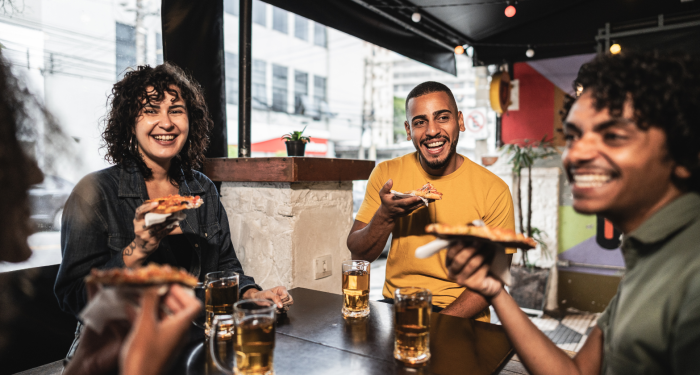
Even now, plenty of families reserve pizzeria pizza for birthdays, Friday-night rituals, or gatherings with friends. It’s proof that even something as common as pizza can feel elevated when you attach it to community and occasion.
7. Fried chicken bucket
Buckets of fried chicken—whether from KFC, Popeyes, or a local joint—carry a celebratory association in many households. Not because chicken itself is rare, but because fast-food fried chicken was an expense that couldn’t be justified every week.
The sides made it feel like a feast: mashed potatoes, biscuits, slaw. There was abundance in that bucket—enough to feed a crowd. That sense of plenty is what linked it to good times and gatherings.
I’ve often noticed that abundance, not extravagance, is what creates the sense of celebration in working-class families. You didn’t need lobster every week—you just needed more than enough fried chicken to go around.
8. Fancy cheese or deli meat
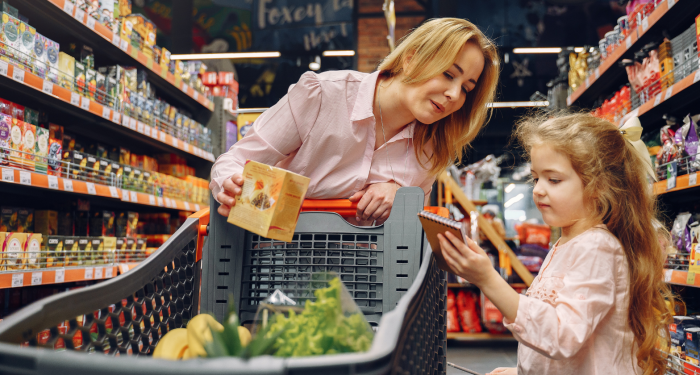
For most lower middle class families, grocery shopping revolved around stretching a dollar. That meant grabbing blocks of cheddar or packs of bologna. But when a special occasion rolled around, suddenly brie, salami, or prosciutto might sneak into the cart.
As one food writer put it, “Cheese is one of the cheapest ways to taste wealth.” And it’s true. A wedge of imported cheese or a few slices of prosciutto could transform an ordinary spread into something worth savoring.
I’ve seen this dynamic at farmers’ markets, too. People rarely buy the fancy cheeses weekly, but when it’s someone’s anniversary, suddenly they’re willing to splurge. That’s because these foods act as small tokens of luxury—just enough to break the monotony without wrecking the budget.
9. Ice cream shop cones
Ending the day with a bowl of store-bought ice cream was normal enough. But heading out for a real ice cream cone—the kind dipped in chocolate, stacked with sprinkles, or handed over a counter—was magic.
Those summer nights, standing in line at the local shop, symbolized freedom and celebration. It was less about the ice cream itself and more about the shared ritual of going out for it.
Psychologists have long said that shared experiences create stronger memories than solo indulgence. That’s why people remember the trip to the ice cream parlor decades later, even more than the tub of Neapolitan in the freezer.
Final thoughts
Food is never just food. For the lower middle class, these treats weren’t about price tags alone—they were markers of worth, belonging, and joy. They reminded us that celebration could be found in a steak on the grill, a bakery cake, or a bucket of fried chicken.
And maybe that’s the deeper lesson here: celebration doesn’t require extravagance. It requires intention. It’s about pausing to mark a moment, even with something as simple as shrimp cocktail or ice cream cones.
When I look back on my own childhood, I realize the foods I thought of as “luxury” weren’t necessarily expensive—they were rare, and they were wrapped in love and attention. That’s what made them special.
So maybe the challenge for us now is to re-create that sense of occasion. To treat an ordinary Tuesday night dinner as something worth slowing down for. To remember that celebration lives in meaning, not money.
If you think back to your own childhood, I bet you can name a food that instantly meant “special.” Maybe it was fried chicken, maybe it was bakery cake, or maybe it was something entirely different. Whatever it was, that memory still lingers because it told you: today matters. And so do you.