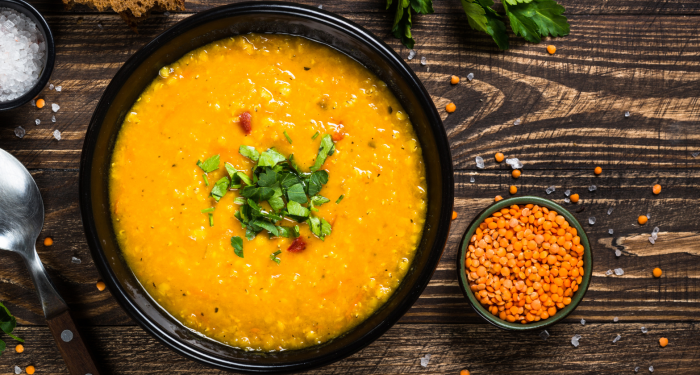
The basement tours at my partner's mother's house revealed jars dating back years and fermenting crocks that could double as bathtubs.
I was helping my partner's mother clean out her pantry last fall when I discovered something that stopped me in my tracks: rows and rows of home-canned vegetables, some dating back three years. There were pickled beets wrapped in newspaper, jars of pressure-canned green beans, and a massive crock of fermenting cabbage tucked in the corner of her basement.
She was proud of her preservation work. I was genuinely baffled.
It's not that I don't appreciate food preservation. I grow vegetables in my backyard garden and I hate wasting food as much as anyone. But the methods many Boomers swear by feel like relics from another era, requiring equipment, time, and dedication that just doesn't fit modern life.
The generational divide in food preservation is real, and it goes deeper than just different techniques. It reflects completely different lifestyles, living situations, and relationships with food itself.
Here are eight vegetable preservation habits that Boomers practice religiously but leave younger generations scratching their heads.
1) Root cellaring everything, even vegetables that don't need it
When I was cleaning out my late grandmother's house a few years back, I found an elaborate network of storage bins in her basement. Potatoes, onions, carrots, beets - those made sense. But turnips in sand? Cabbages wrapped individually in newspaper? It felt like archaeological excavation.
Root cellaring was common before mechanical refrigeration became widespread, and many older folks still swear by it. The thing is, younger generations have refrigerators. We don't need to bury vegetables in sand or construct elaborate underground storage systems to keep our produce fresh through winter.
What baffles me most is the sheer dedication required. You can't just toss vegetables in a cool basement and call it a day. There are specific temperature requirements, humidity levels to maintain, and constant checks for spoilage. When I can simply put my carrots in the crisper drawer, why would I want to store them in a box of damp sand in my basement?
2) Blanching absolutely everything before freezing
My neighbor, who's in her seventies, once watched me toss fresh green beans directly into a freezer bag. The look of horror on her face was priceless.
She immediately launched into a lecture about blanching times, ice baths, and proper cooling techniques. Blanching involves boiling vegetables briefly then cooling them quickly in ice water, and apparently, skipping this step is practically a cardinal sin in the Boomer vegetable preservation handbook.
Look, I get that blanching helps vegetables maintain their color, flavor, and texture. But here's what younger people struggle with: it's time consuming, creates extra dishes, and requires precise timing for each vegetable type. When you're juggling work, life, and trying to preserve a garden harvest, sometimes good enough is actually good enough.
Plus, if I'm planning to use those green beans in a soup or stir-fry within a few months, the difference is negligible to my taste buds.
3) Pressure canning low-acid vegetables
There's something almost ritualistic about how Boomers approach pressure canning. The careful checking of seals, the precise processing times, the respect bordering on fear for the pressure canner itself.
During my years as a financial analyst, I learned to assess risk versus reward. Pressure canning feels like all risk for questionable reward to younger generations. Pressure canning involves heating jars to much higher temperatures than water bath canning, and the equipment can be intimidating and expensive.
When I can buy canned green beans at the store for a dollar or simply freeze them, why would I invest in a pressure canner that requires careful monitoring and can potentially explode if used incorrectly? The math just doesn't add up for most younger people, especially those living in apartments without proper storage space.
4) Fermenting vegetables in giant crocks
Walk into a Boomer's basement during harvest season and you might find massive ceramic crocks filled with fermenting vegetables. Cabbage transforming into sauerkraut, cucumbers becoming pickles, all through the magic of beneficial bacteria and time.
Fermentation uses saltwater brine to encourage the growth of lactobacillus bacteria, which naturally preserves vegetables. It's an ancient technique that requires minimal equipment and creates probiotics as a bonus.
But younger generations see some significant drawbacks. First, where exactly are we supposed to store a twenty pound crock of fermenting cabbage in our studio apartments? Second, the smell during fermentation can be intense. Third, the process takes weeks and requires regular monitoring.
When I can buy excellent kimchi or sauerkraut at my local farmers' market, the appeal of DIY fermentation diminishes considerably. I actually do ferment vegetables occasionally, but in quart-sized jars, not crocks that could double as planters.
5) Drying vegetables in the sun on screens
My friend's grandmother used to dry tomatoes on screens in her backyard, covered with cheesecloth to keep bugs away. It took days of sunshine and constant vigilance against unexpected rain showers.
Sun drying requires placing vegetables in a dry, clean location protected from dust and insects, and can take several days. For Boomers who grew up doing this, it's second nature. For younger people, it's baffling.
We live in an era of food dehydrators that can dry vegetables consistently in hours, not days. We worry about air quality, unexpected weather, and whether that mysterious neighborhood cat has been walking across our drying screens. The controlled environment of a dehydrator or even an oven just makes more sense.
Plus, during my morning runs through the neighborhood, I've noticed that yards suitable for sun-drying vegetables are increasingly rare as housing densities increase.
6) Making jam and preserves with massive amounts of sugar
I'll never forget watching a family friend make strawberry jam using what seemed like equal parts fruit and sugar. When I questioned the sugar content, she looked at me like I'd suggested removing the wheels from a car.
Traditional preserves use sugar as a preservative to extend shelf life, and older recipes don't skimp. For Boomers, that's just how jam is made. For younger, health-conscious generations raised on concerns about sugar intake, it's excessive.
As someone who went vegan partly for health reasons, I've experimented with low-sugar preserves using pectin or chia seeds as thickeners. They don't last as long, but I'm going to eat them within a few months anyway. The idea of consuming jam that's fifty percent sugar feels outdated when we have better options and different health priorities.
7) Storing vegetables in newspaper
This one genuinely puzzles me. Boomers will wrap vegetables individually in newspaper before storing them, claiming it helps them keep longer and prevents them from touching each other.
Setting aside concerns about ink residue, who still gets physical newspapers? I haven't subscribed to a newspaper in over a decade. Everything I read is digital. When my mother suggested I wrap my potatoes in newspaper, I literally didn't have any in my house.
Even if newspaper storage has legitimate benefits for certain vegetables, younger generations have moved on. We use reusable produce bags, containers, or just the crisper drawer. We're not about to start collecting newspapers specifically for vegetable storage when simpler alternatives exist.
8) Pickling in giant batches with complex brines
The Boomer approach to pickling involves enormous pots of boiling brine, dozens of jars processed simultaneously, and recipes passed down through generations with precise spice combinations.
Pickling involves storing vegetables in vinegar-based solutions, and traditional methods often mean spending entire weekends preserving massive harvests. There's an economy of scale logic here - if you're going to heat up all that brine, you might as well make fifty jars of pickles.
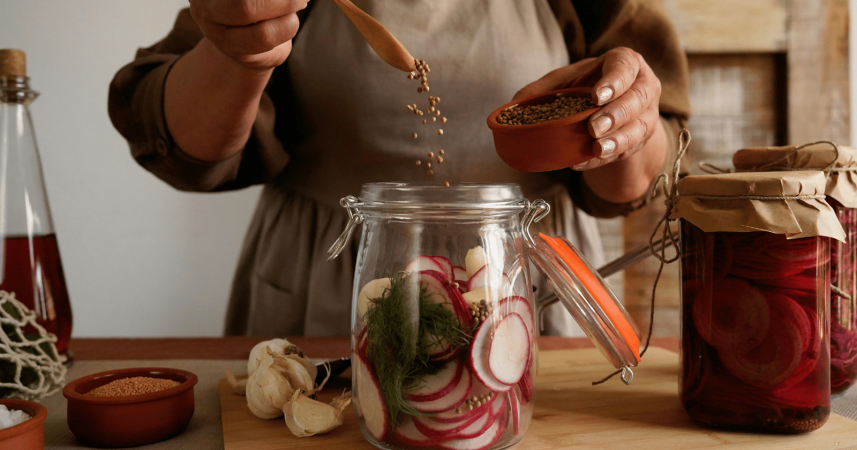
But younger people have embraced refrigerator pickling instead. I can pickle a few cucumbers in a jar with vinegar, water, and whatever spices I have on hand, skip the canning process entirely, and eat them within a few weeks. It takes fifteen minutes instead of an entire Saturday.
During my volunteering at farmers' markets, I've noticed younger shoppers buy smaller quantities of fresh produce more frequently rather than massive amounts for preservation. Our lifestyles and food systems have changed, making small-batch, quick methods more practical than traditional large-scale preservation marathons.
Final thoughts
These preservation habits aren't wrong - they worked beautifully for generations and many still have merit today. The disconnect comes from changed circumstances: smaller living spaces, different work schedules, readily available refrigeration, and shifted priorities around time and convenience.
When I left finance to pursue writing, I learned that just because something worked in one context doesn't mean it's optimal for another. The same applies to food preservation. Boomers developed these habits when circumstances demanded them. Younger generations are adapting to our own realities.
Maybe there's wisdom in finding a middle ground. I've started keeping a small section of my garden specifically for preservation experiments, using modern methods that fit my lifestyle. I freeze more than I can, pickle in small batches, and yes, I even ferment occasionally - just in reasonable quantities.
The goal isn't to completely abandon traditional wisdom or blindly follow it. It's about taking what works, adapting what doesn't, and being honest about why our approaches differ. After all, both generations ultimately want the same thing: not wasting food and enjoying the harvest year-round.
If You Were a Healing Herb, Which Would You Be?
Each herb holds a unique kind of magic — soothing, awakening, grounding, or clarifying.
This 9-question quiz reveals the healing plant that mirrors your energy right now and what it says about your natural rhythm.
✨ Instant results. Deeply insightful.