What we call expensive farm-to-table dining today was actually poverty food that kept working families alive through winter.
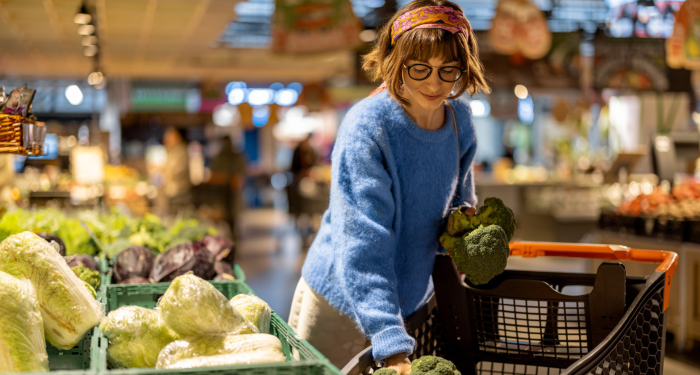
Every Saturday morning at the farmers' market, I watch people browse stalls overflowing with heirloom vegetables and organic grains, paying premium prices for what they call "farm-to-table" meals. It always makes me smile.
These dishes aren't some trendy discovery. They're what rural families ate for centuries, not by choice, but because meat was expensive and vegetables were what grew in the garden.
When I started volunteering at our local farmers' market a few years ago, I began having conversations with older folks who grew up on farms. Their stories about food were fascinating.
They didn't romanticize poverty, but they also didn't view their plant-based childhoods as deprivation. They ate what was available, and what was available was mostly vegetables, grains, and legumes.
These traditional meals have stuck around for good reason. They're nutritious, satisfying, and surprisingly delicious. Here are eight dishes that fed working families long before anyone was Instagramming their dinner.
1) Pottage (vegetable and grain stew)
Think of this as the original one-pot meal. Rural families across Europe made pottage for centuries by combining whatever vegetables they had on hand with grains like barley, oats, or rye. Cabbage, onions, peas, and beans simmered together in a pot over the fire, thickened with grain to make it filling enough for a day of hard labor in the fields.
The beauty of pottage was its flexibility. In spring, you might add fresh greens and herbs. In winter, it became a thick, hearty stew made from root vegetables and dried legumes. There was no recipe, just common sense and whatever the garden or storage cellar offered.
When I make a vegetable stew now, I'm basically making pottage. I just call it dinner.
2) Bean and vegetable soups
Beans were life for rural families. Dried beans stored well through winter, provided essential protein, and stretched to feed large families. Mixed with vegetables and maybe some herbs from the garden, bean soup became a staple that appeared on tables multiple times a week.
Different regions had their own versions. In the Mediterranean, white beans simmered with tomatoes and herbs. In cooler climates, lentils cooked with root vegetables and onions. The Japanese combined soybeans into miso-based soups with seasonal vegetables.
I grew up thinking beans were boring, something your grandmother made. Now I understand they were sustenance for billions of people throughout history. That's pretty impressive for a humble legume.
3) Dark grain bread with vegetables
Bread made from rye, barley, or oats was the foundation of rural diets. Unlike the refined white flour bread we eat today, this was coarse, dark, and dense. It was filling, provided fiber and nutrients, and when paired with vegetables from the garden or foraged greens, it made a complete meal.
Rural workers often ate bread with onions, cabbage, or whatever vegetables were in season. Sometimes they'd dip it in vegetable broth left over from making soup. Bread and something green was breakfast, lunch, and dinner for millions of people.
I remember reading about this during my financial analyst days and thinking how different our food culture had become. We've turned basic sustenance into a luxury market.
4) Porridge with seasonal additions
Before processed breakfast cereals, there was porridge. Made from oats, barley, wheat, or millet boiled in water or occasionally milk, porridge fueled people through physically demanding work. Rural families added whatever they had: dried fruits, nuts gathered from the woods, honey if they were lucky, or just some salt.
Porridge wasn't just breakfast. It often served as dinner too, especially in winter when fresh produce was scarce. Different cultures had variations, but the concept remained the same: grains cooked with water into something warm and filling.
The morning I started making simple oatmeal with fresh fruit instead of grabbing processed breakfast bars, I felt oddly connected to this tradition. Sometimes the oldest solutions are still the best ones.
5) Root vegetable medleys
Turnips, parsnips, carrots, and onions were the backbone of rural diets because they stored well through winter. These humble vegetables were roasted near the fire, boiled into stews, or mashed together. They weren't fancy, but they were reliable.
Root vegetables provided the calories and nutrients needed for physical labor. Combined with herbs like parsley, thyme, or rosemary from the garden, these simple dishes had more flavor than you might expect. Peasant food didn't have to be bland.
When I started my own garden, root vegetables were the first things I planted. There's something deeply satisfying about pulling food from the earth that I understand differently now.
6) Cabbage-based dishes
Cabbage was everywhere in rural diets. It grew easily, stored well, and could be prepared dozens of ways. Boiled cabbage, stewed cabbage, fermented cabbage, cabbage with onions, cabbage with beans. If you lived in a cooler climate before modern agriculture, you ate a lot of cabbage.
Different cultures developed their own cabbage specialties. Russians made shchi, a cabbage soup that sustained families through harsh winters. Germans fermented it into sauerkraut. The Irish boiled it with potatoes. Same vegetable, different expressions.
I used to avoid cabbage. Now I realize that was my own food snobbery. Properly prepared, it's actually delicious and incredibly good for you.
7) Lentil and grain combinations
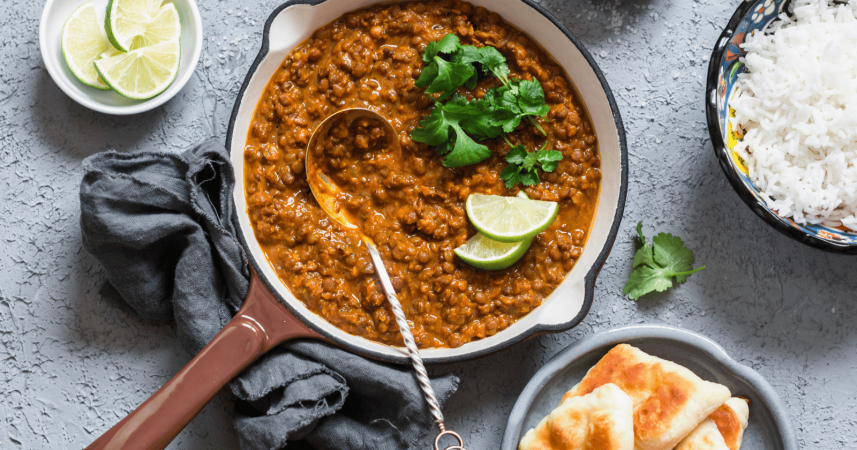
The pairing of lentils or beans with grains wasn't an accident. Together, they form a complete protein, giving the body all the essential amino acids it needs. Rural families figured this out through experience long before anyone understood nutrition science.
Lentils with rice, beans with corn, chickpeas with wheat. These combinations appeared across cultures because they worked. They were affordable, filling, and nutritious enough to sustain hard physical work. The fact that they also happen to be delicious was a bonus.
After I transitioned to a plant-based diet, I discovered these traditional pairings kept me satisfied in ways that processed vegetarian products never did. Our ancestors knew what they were doing.
8) Vegetable-herb pies and tarts
When rural families did have flour for pastry, they often filled it with vegetables rather than meat. Onion tarts, spinach pies, leek and cheese pastries. These dishes used whatever was abundant and seasonal, wrapped in dough to make them feel more substantial.
These weren't sad, meat-free versions of something better. They were intentional dishes, developed over generations to make the most of what was available. The French still make pissaladière with onions and olives. The Greeks make spanakopita with spinach and herbs.
I tried making a simple vegetable tart last month using what I had from the garden, and it reminded me how satisfying simple food can be when you let the ingredients speak for themselves.
Final thoughts
What we call farm-to-table eating today is really just a return to how most people ate throughout history. Rural families didn't have the luxury of abundant meat, so they built their meals around vegetables, grains, and legumes. They developed cooking techniques that maximized flavor and nutrition from simple ingredients.
The irony isn't lost on me. I spent years in a career chasing money to afford expensive food, only to discover that the most nourishing meals are often the simplest and least expensive ones. The dishes that sustained working families for centuries are the same ones keeping me healthy now.
These traditional meals weren't about restriction or sacrifice. They were about resourcefulness, seasonality, and making the most of what you had. Maybe that's what we're really hungry for when we seek out authentic, farm-to-table food. Not just the vegetables, but the connection to something real and sustaining.
There's wisdom in these old ways of eating. Not because they're romantic or trendy, but because they work. They've worked for centuries, feeding billions of people through their daily lives. That kind of track record speaks for itself.