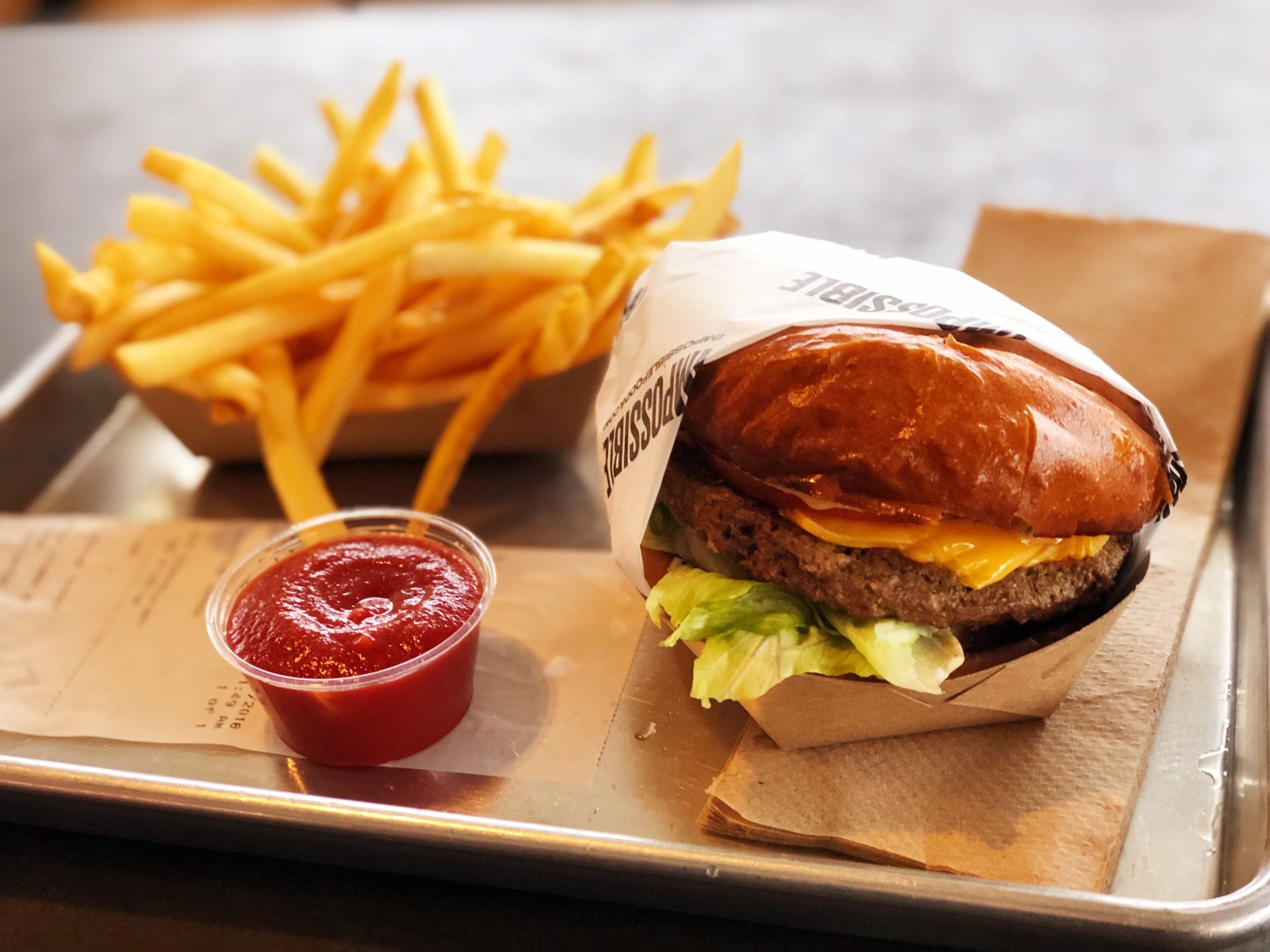
Photo: an Impossible Burger at Gott's Roadside, 2018. Missvain / Wikimedia Commons, CC BY 4.0
Soy leghemoglobin, the red-brown protein that Impossible Foods grows in yeast for use in its burger, went through two separate steps with the US Food and Drug Administration. The first ended with a letter dated 23 July 2018, closing out GRAS notice GRN 000737.
Dennis M. Keefe, director of the FDA's Office of Food Additive Safety, wrote to Gary L. Yingling of Morgan, Lewis & Bockius, acting for Impossible Foods, that the agency had "no questions at this time" about the company's conclusion that soy leghemoglobin preparation is generally recognised as safe for use "to optimize flavor in ground beef analogue products intended to be cooked", at a level up to 0.8 per cent soybean leghemoglobin protein.
The letter is careful about its own limits. It "is not an affirmation that soy leghemoglobin preparation is GRAS under 21 CFR 170.35". Under the notification route, a company assembles the evidence, reaches its own conclusion and tells the agency, which then either has questions or does not.
A soybean gene, eight yeast genes and a fermenter
The letter describes the ingredient as a mixture containing soy leghemoglobin protein, Pichia pastoris proteins, sodium chloride and sodium ascorbate, and records that the preparation is red/brown.
The production strain, MXY0291, was built from the commercially available P. pastoris Bg11 strain. It carries multiple copies of a codon-optimised gene encoding the leghemoglobin LGB2 apoprotein from soybean (Glycine max), extra copies of eight P. pastoris genes encoding enzymes that catalyse heme B biosynthesis, and transcriptional regulatory elements to improve protein production. The apoprotein and the yeast's heme B prosthetic group combine to form soy leghemoglobin protein.
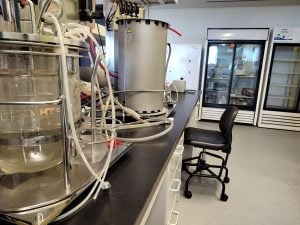
Manufacture, as Impossible Foods described it to the agency, runs by submerged fed-batch fermentation. Cells are broken by mechanical shearing, insoluble material is removed by centrifugation and microfiltration, and the lysate is concentrated by ultrafiltration, stabilised with sodium chloride and sodium ascorbate and stored as a frozen liquid concentrate, standardised to 6 to 9 per cent soy leghemoglobin protein.
The company said it sequenced the production strain genome, verified the sequence of the inserted DNA, confirmed the strain carries no antibiotic resistance genes and stated that the transformed DNA is stably integrated. Other fermentation-made food proteins have taken the same route to the FDA, among them the dairy proteins behind precision-fermentation whey, which also drew a no-questions response.
What the letter covers, and what it hands to other offices
Impossible Foods submitted the notice on 3 October 2017 and the FDA filed it on 26 October 2017. Amendments followed on 29 November and 5 December 2017, and on 27 February, 6 March, 29 June and 10 July 2018, clarifying the intended conditions of use and the publication status of two scientific articles.
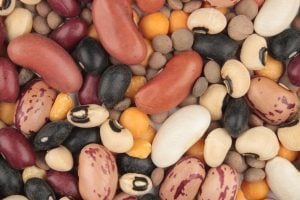
The evidence summarised in the letter is the company's. Impossible Foods pointed to the history of hemoglobin proteins in the diet, in sources including malted grain products, sprouted seeds, grains, rice and beans; to bioinformatic comparisons of soy leghemoglobin and the 17 most abundant P. pastoris proteins against known toxins and allergens; to digestion of the preparation's proteins by pepsin in simulated gastric fluid; and to the published scientific literature.
Sequence-alignment work found no significant amino acid sequence homology to known or putative allergens or toxins, the company reported, and it concluded that soy leghemoglobin and the P. pastoris proteins have little or no toxic or allergenic potential. Impossible Foods also described a published study it conducted: a bacterial reverse mutation assay, a chromosomal aberration assay in human peripheral blood lymphocytes, and 14- and 28-day oral toxicity studies in rats with no treatment-related, toxicologically relevant effects up to 1,536 mg/kg/day, the highest dose tested. A panel convened by the company concluded the preparation is safe under the intended conditions of use.
Exposure was estimated on the assumption that consumers substitute ground beef analogue products for traditional meat products one for one. On that basis the company put mean intake of soy leghemoglobin protein at 3.3 mg/kg of body weight per day and 90th percentile intake at 6.7 mg/kg per day.
Parts of the file went elsewhere in the agency. The letter says its use of the term "soy leghemoglobin preparation" is not a recommendation of a common or usual name for the label, a question for the Office of Nutrition and Food Labeling, which the Office of Food Additive Safety did not consult. Impossible Foods stated in the notice that the preparation has nutritive value as a source of iron; the letter says any nutrient content or health claims sit with the labelling office and that OFAS did not evaluate them. On allergen labelling, it states that soy leghemoglobin preparation requires labelling under the Federal Food, Drug, and Cosmetic Act because it contains protein derived from soybean, which the Act lists among the eight major food allergens.
Colour was a separate rule in 2019
The 2018 response also says it "is not an approval for use as a color additive nor is it a finding of the Secretary of the Department of Health and Human Services" under section 721(b)(4) of the Act. Use of the red/brown preparation in food products other than ground beef analogue products intended to be cooked may count as a colour additive use, the letter says, and there is no GRAS provision for colour additives.
That second step came by petition, docket FDA-2018-C-4464. The agency issued a final rule on 1 August 2019, published at 84 FR 37573 and signed on 26 July 2019 by Lowell J. Schiller, principal associate commissioner for policy, amending the colour additive regulations to provide for the safe use of soy leghemoglobin as a colour additive in ground beef analogue products. It took effect on 4 September 2019.
The listing says soy leghemoglobin "may be safely used in ground beef analogue products such that the amount of soy leghemoglobin protein does not exceed 0.8 percent by weight of the uncooked ground beef analogue product", the same figure that caps the flavour use described in the 2018 letter. Readers weighing up the rest of the freezer aisle can also compare plant-based burgers that are not Impossible or Beyond.