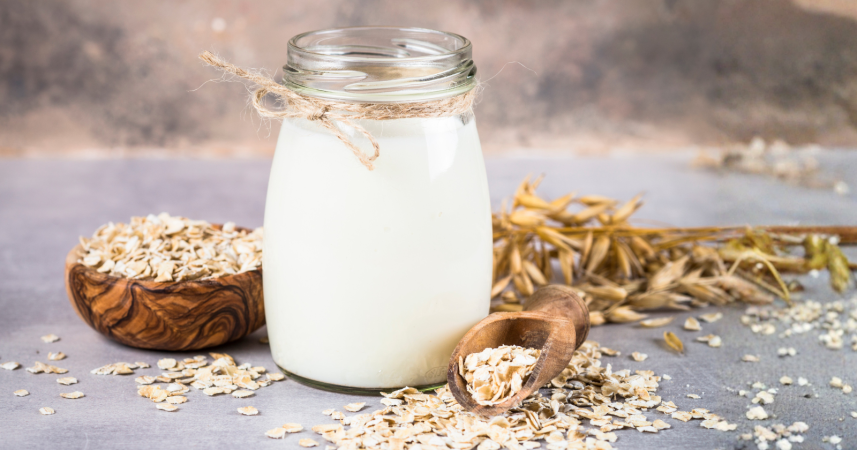
The disproportionate rage over a plant-based beverage reveals deeper anxieties about masculinity, tradition, and who gets to decide what's "normal".
The man at the coffee shop counter was turning red. Not pink, not flushed—red, the color of genuine rage. His trigger? The barista had asked if he wanted oat milk in his latte.
"Do I look like I want oat milk?" he spat, loud enough for the entire café to hear. "Just give me real milk. From a cow. Like normal people drink."
The barista, maintaining professional calm, made his latte with dairy milk. But the man wasn't done. For the next five minutes, as he waited for his order, he delivered a monologue about the "insanity" of oat milk, the "weakness" of people who drink it, and the general decline of society as evidenced by alternative milk options. Several customers shifted uncomfortably.
This scene, witnessed last week in an unremarkable suburban coffee shop, exemplifies a peculiar cultural phenomenon: the disproportionate anger some people display toward plant-based milk alternatives. It's a rage that far exceeds what you'd expect from a simple beverage preference—more like the fury typically reserved for political betrayals or sports rivalries.
Scan social media for "oat milk" and you'll find similar outbursts. Grown adults crafting elaborate jokes about oat milk drinkers being weak, delusional, or—that increasingly common insult—"soy boys" (even though soy and oats are different plants). The comments sections under oat milk advertisements resemble war zones. Twitter threads about coffee choices devolve into culture war battlegrounds.
The anger is real, visceral, and entirely disproportionate to its object: a beige liquid made from oats.
The masculinity factor
The roots of this rage trace back further than oat milk's mainstream arrival. In 2008, certain corners of the internet erupted with theories that soy milk's phytoestrogens would feminize men. The panic, while based on misunderstood science, revealed something deeper than nutritional concern—it exposed a profound anxiety about masculinity itself.
Research published in the Journal of Men's Health confirms what that coffee shop scene suggested: when men's masculine identity feels threatened, they often respond with compensatory behaviors. In one revealing study, men assigned to publicly endorse a vegetarian diet—seen as feminine—subsequently reported stronger gender identification and increased interest in "masculine" activities. They literally flexed their masculinity to offset the perceived feminization of plant-based eating.
This defensive reaction makes a certain psychological sense. If your identity rests on traditional masculine ideals—strength, dominance, meat consumption—then someone choosing oat milk in your presence becomes more than a beverage selection. It becomes a challenge to the entire framework through which you understand yourself.
The neophobia defense
Beyond gender anxiety lies a broader psychological pattern: food neophobia, the fear or avoidance of new foods. Extensive research shows that neophobic individuals don't just avoid unfamiliar foods—they actively resist them, sometimes with surprising hostility.
But oat milk anger transcends simple neophobia. After all, oats themselves aren't new or threatening. Oatmeal has been breakfast for centuries. The rage emerges from what oat milk represents: change, choice, and the possibility that traditional ways aren't the only ways.
When someone orders oat milk, they're implicitly suggesting that cow's milk—that most traditional of beverages—is optional. For people whose identities are tightly bound to tradition, this suggestion feels like an attack. If milk is optional, what else might be? If younger generations can simply opt out of dairy, what other "normal" things might they abandon?
Beyond simple preference
Of course, not all criticism of oat milk stems from cultural anxiety. Some people genuinely prefer dairy's taste and nutrition profile. Others raise legitimate questions about oat milk's environmental claims or the processing involved in its production. These measured critiques, however, bear little resemblance to the rage witnessed in coffee shops and comment sections.
The difference is telling. Someone with genuine concerns about oat milk's sustainability might engage in reasoned debate. Someone whose identity feels threatened by oat milk's very existence delivers red-faced monologues to captive audiences.
The paradox of caring too much
The most revealing aspect of oat milk rage is its very existence. True indifference would manifest as... indifference. Someone genuinely unbothered by others' beverage choices wouldn't craft elaborate Facebook rants about the "oat milk agenda" or feel compelled to lecture strangers about the superiority of dairy.
The anger reveals investment. It shows that oat milk's mere existence in the coffee shop cooler has gotten under their skin, has made them think about things they'd rather not examine. Like why they react so strongly. Like what they're really defending when they defend cow's milk with the passion typically reserved for religious beliefs.
This passionate defense of dairy often comes from the same people who mock others for caring about food choices. They'll ridicule "snowflakes" for having preferences while simultaneously breaking down over the existence of options they're not required to choose. The cognitive dissonance would be funny if it weren't so revealing.
Identity under threat
Research on food and identity demonstrates that our food choices communicate who we are—to others and ourselves. When new options emerge, they don't just expand the menu; they force us to make choices that were previously automatic. Where once there was just "milk," now there's a decision that carries social meaning.
For many angry oat milk opponents, this decision feels like a test they didn't sign up for. Order dairy, and risk seeming outdated or uncaring about various ethical concerns. Order oat milk, and risk seeming weak, trendy, or—worst of all in certain circles—feminine. The safest response? Attack the very existence of the choice.
This dynamic extends beyond individual psychology. Entire communities build identity around traditional consumption patterns. When your social group bonds over bacon jokes and "real men eat meat" mantras, oat milk becomes a symbol of everything threatening that cohesion. It represents coastal elites, younger generations, and changes that seem to be leaving certain communities behind.
The cultural stakes
The oat milk wars aren't really about oat milk. They're about who gets to define "normal," whose choices get to be unmarked defaults, and what happens when previously invisible options become visible choices.
For decades, dairy milk was simply "milk"—no modifier needed. Plant-based alternatives required qualifiers: soy milk, almond milk, rice milk. But as these options proliferated and gained popularity, something shifted. Suddenly, ordering "milk" wasn't clear enough. Baristas started asking follow-up questions. Dairy milk needed defending in a way it never had before.
This shift from default to choice represents a profound cultural change. It's the same pattern we see in other domains where traditional assumptions face challenge. What was once "the way things are" becomes "one way among many," and that transition rarely happens smoothly.
The geographic and generational dimensions add another layer. In urban areas where plant-based options have been mainstream for years, oat milk is just another choice. In regions where dairy farming remains economically and culturally central, oat milk can feel like an assault on local values and livelihoods. Younger consumers who grew up with options see choice as natural; older generations who knew only one "milk" experience the proliferation as disorienting.
The performance of rage
Watch someone deliver an anti-oat milk tirade and you'll notice something peculiar: they seem to be enjoying themselves. The anger, while real, also serves as performance. It's a way to signal tribal membership, to demonstrate loyalty to traditional values, to participate in a culture war skirmish where the stakes feel manageable.
This performative aspect explains why oat milk anger often seems so exaggerated. The man in the coffee shop wasn't just expressing preference—he was teaching a lesson, defending a worldview, making himself the protagonist in a drama about civilizational decline.
Final words
The next time you witness someone's disproportionate rage over oat milk—and if you spend time in coffee shops, you will—pause to consider what you're really seeing. It's not about the beverage. It's about identity under threat, tradition under question, and the anxiety of living in a world where yesterday's defaults become today's choices.
The anger is real, but it's misplaced. The true source isn't the oat milk in the refrigerator case—it's the fear that ordering your coffee the way you always have now says something about who you are. It's the realization that choices you never knew you were making have suddenly become visible, weighted with meaning you didn't ask for.
In a rapidly changing world, people cling to constants. When even those constants—like what "milk" means—start shifting, the ground feels less stable. The rage over oat milk is really rage over change itself, dressed up in the costume of beverage preference.
But here's what the angry oat milk opponents miss: their rage itself proves that change has already happened. You don't fight battles over territory you securely hold. The very existence of their anger shows that oat milk has already won something—not market dominance, not cultural supremacy, but simply the right to exist as an unremarkable option.
And that, perhaps, is what they're really protecting against: a future where their preferences are just preferences, not defaults. Where their choices require the same conscious decision-making they've always demanded of others. Where ordering "regular milk" gets the same follow-up question everyone else has been answering all along: "Which kind?"
If You Were a Healing Herb, Which Would You Be?
Each herb holds a unique kind of magic — soothing, awakening, grounding, or clarifying.
This 9-question quiz reveals the healing plant that mirrors your energy right now and what it says about your natural rhythm.
✨ Instant results. Deeply insightful.