A cultural anthropology of the most aesthetically consistent demographic you know.
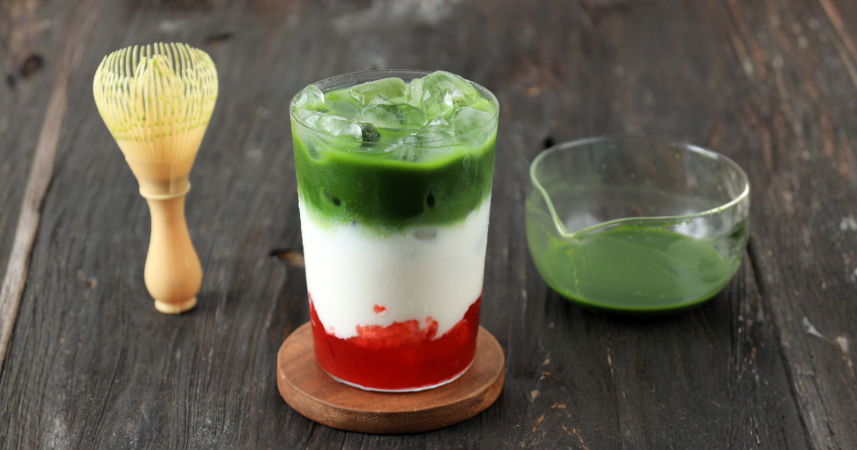
The order floats across the coffee shop like a generational beacon: "Iced strawberry matcha latte with oat milk, light ice." The barista doesn't blink. They've made seventeen of these today, and it's only 2 PM. The girl ordering—always between 22 and 28, always wearing some configuration of cream and sage green—waits by the pickup counter, phone already out, natural light assessment underway. When her drink arrives, pink-green swirled like a sunset dreamed up by a wellness influencer, she'll photograph it from three angles before taking a sip.
I've been watching this phenomenon for months now, fascinated by the emergence of what can only be called a demographic: the strawberry matcha girls. They move through the world in soft beiges and structured blazers, carrying tote bags that cost either $12 or $1,200, no in-between. They're not just ordering the same drink—they're living eerily parallel lives, as if they've all downloaded the same personality software update.
The strawberry matcha latte isn't just a beverage choice. It's a signal, a membership card, a liquid announcement of values and aesthetics. And the girls who order it share more than just their drink preference. They're participating in something bigger: the first generation to build identity through micro-trends so specific that ordering the wrong latte feels like betrayal of self.
1. They own that one beige outfit in seventeen variations
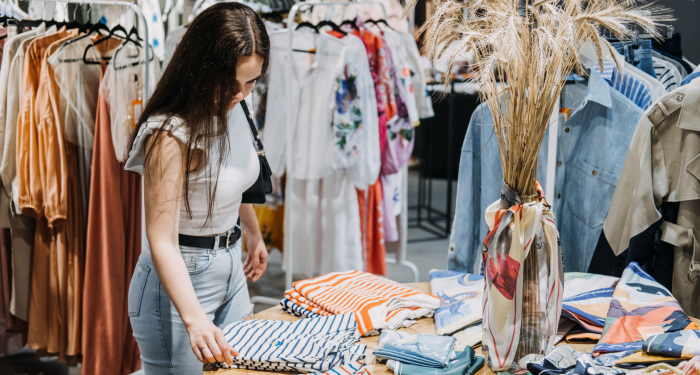
Walk into their closet and witness the fifty shades of oatmeal. Cream knit sets, beige blazers, tan trousers, ecru sweaters—an entire wardrobe that looks like it was filtered through the "Paris" preset. They'll insist each piece is different. "This is sand, this is nude, this is champagne," they'll explain, holding up three identical-looking tops.
The commitment to neutrals isn't about being boring—it's about being aesthetic. Every outfit photographs well, every piece combines with every other piece, and nothing clashes with the strawberry matcha when it inevitably appears in frame. They've created a visual brand so consistent that their friends could spot them from their torso alone in a "guess who" lineup. The paradox? In trying to look effortlessly minimal, they've created the most high-maintenance wardrobe possible. Every stain shows. Every wrinkle disrupts the vibe. They're doing laundry constantly, but make it look intentional.
2. They have strong opinions about matcha quality they can't articulate
Ask them about their matcha preferences and watch them struggle. "It needs to be, like, not too grassy? But also not too sweet? Like, ceremonial grade but not intimidating?" They know bad matcha when they taste it but can't explain why. They just feel it in their bones when the matcha isn't right, the way people know when Mercury is in retrograde.
They've tried to become matcha experts, really they have. They've watched YouTube videos about whisking techniques, learned the word "umami," and can pronounce "Uji" correctly. But deep down, they know they're ordering strawberry matcha because regular matcha tastes like grass smoothie, and adding strawberry syrup and oat milk makes it palatable. They're matcha girls in theory, not practice. The cognitive dissonance would bother them if the drinks weren't so photogenic.
3. They're in a committed relationship with their "little treats"
The strawberry matcha isn't just a drink—it's the cornerstone of an entire "little treat" philosophy. They've elevated small indulgences into a life practice. Tuesday afternoon slump? Little treat. Finished a task? Little treat. Existed through another day of late capitalism? Little treat.
Their Instagram stories are shrines to these micro-rewards: the matcha, the $7 chocolate croissant, the farmers market flowers, the face mask that costs more than groceries. They've somehow made self-care feel like a part-time job. The phrase "I deserve a little treat" has replaced actual therapy for dealing with life's challenges. Stressed about rent? Can't fix that, but they can fix their mood with an overpriced latte. It's not sustainable, but it is sustainable packaging, so that's something.
4. They live in the eternal aesthetic present
These girls exist in a temporal sweet spot where it's always golden hour, always Sunday morning, always the perfect moment for a flat lay. Their social media suggests a life of perpetual farmers market runs and sunset yoga, even though they definitely have real jobs and definitely check Slack during shavasana.
They've mastered the art of making regular life look like a lifestyle blog circa 2019. Their desk setup could be in an Architectural Digest spread. Their morning routine has twelve steps and a dedicated hashtag. They own a sunrise alarm clock, a gratitude journal, and at least three different sizes of the same water bottle. Time moves differently in their world—it's always the soft-focus moment right before responsibilities kick in.
5. They're fluent in therapy speak but emotionally constipated
Listen to them talk and it's like hearing a Brené Brown podcast filtered through a fun house mirror. They're setting boundaries, doing the work, protecting their energy, and honoring their truth. They've got the vocabulary of emotional intelligence down pat. "That's really activating for me," they'll say about a minor inconvenience. "I need to sit with this feeling," they'll announce before ordering another matcha.
But beneath the therapeutic terminology, they're as confused and anxious as the rest of us. They've just learned to package their neuroses in wellness language. They can name every attachment style but can't text someone back normally. They'll spend $200 on a sound bath but won't have an honest conversation with their roommate. The therapy speak has become another aesthetic layer, like their neutral wardrobe—beautiful, coordinated, and only partially functional.
6. They maintain Pinterest boards like cultural archives
Their Pinterest accounts are museums of aspiration, carefully curated galleries of the life they're allegedly living. Board names like "soft morning light," "that girl energy," and "neutral aesthetic" contain thousands of images that all look vaguely the same—beige apartments, morning matcha shots, faceless girls in linen.
They pin with archaeological precision, saving outfits they already own, apartments they can't afford, and morning routines they'll never maintain. The boards serve as both inspiration and evidence, proof that they're part of something bigger than themselves. When they order their strawberry matcha, they're not just getting a drink—they're manifesting their Pinterest board into reality, one overpriced beverage at a time.
7. They're professionally good at being broke
These girls have elevated financial precarity into an art form. They're broke, but aesthetically so. They can't afford therapy but have a $90 monthly matcha budget. They'll complain about rent while wearing the third new workout set this month. They've mastered the cognitive dissonance of anti-capitalist sentiments typed on phones that cost more than some people's cars.
The strawberry matcha is both symptom and cause of their aesthetic poverty. At $8 a drink, ordered daily, it's a liquid budget destroyer. But it's also necessary for maintaining the lifestyle, the look, the vibe. They joke about it constantly—"iced coffee is my financial downfall"—while continuing the exact same behavior. They're simultaneously self-aware and self-destructive, tracking their spending in apps they immediately ignore.
8. They move in aesthetic herds
Spot one strawberry matcha girl and others materialize like aesthetic multiplication. They travel in packs of coordinated neutrals, looking like a Reformation ad that gained sentience and decided to get brunch. Their friend groups are visually cohesive in a way that feels both natural and deeply unnatural.
They find each other through mysterious forces—the algorithm, probably, but maybe something deeper. A shared love of overpriced wellness, a mutual understanding that Sunday means farmers market means matcha means content. They're drawn together by invisible threads of oat milk and anxiety, forming friend groups that look like they were cast by a brand looking for "diversity but make it beige."
9. They're living in a future that already feels nostalgic
Here's the thing about the strawberry matcha girls: they're living in a moment that already feels like a memory. They know, on some level, that this is temporary. The aesthetic will shift, the drinks will change, the neutrals will give way to whatever comes next. They're participating in a trend so specific it's already documenting its own obsolescence.
But maybe that's the point. In a world of infinite choice and constant change, they've found their uniform, their tribe, their ridiculously expensive drink of choice. They're creating consistency in chaos, even if that consistency involves spending $280 a month on pink-green lattes. They're building identity through consumption so specific it's almost admirable.
Final words
The strawberry matcha girls aren't just ordering drinks—they're participating in one of the most fascinating cultural phenomena of our time: the micro-demographic. They've found their people through beverage choice, their identity through aesthetic consistency, their comfort in collective participation in an absurdly specific trend.
Is it sustainable? No. Is it slightly ridiculous? Absolutely. But there's something almost touching about their commitment to the bit. In a fragmented world, they've created community through consumption, meaning through matcha, belonging through beige. They're living proof that identity can be built from Instagram posts and oat milk, that community can form around a shared love of overpriced drinks and underpriced basics.
The next time you see one in the wild—and you will, they're everywhere—resist the urge to judge. Yes, they're spending their retirement funds on lattes. Yes, they all dress like the human equivalent of a rice cake. But they've found their thing, their people, their inexplicably expensive little treat. In the grand scheme of things, there are worse ways to navigate young adulthood than through a haze of strawberry-scented matcha foam.
Plus, their Pinterest boards really are immaculate.
What’s Your Plant-Powered Archetype?
Ever wonder what your everyday habits say about your deeper purpose—and how they ripple out to impact the planet?
This 90-second quiz reveals the plant-powered role you’re here to play, and the tiny shift that makes it even more powerful.
12 fun questions. Instant results. Surprisingly accurate.