Ever find yourself eating over the sink? It may seem like a small, quirky habit, but it actually says a lot about who you are. From practicality and independence to minimalism and a knack for embracing imperfection, this everyday behavior reveals more than you think.
I’ll admit it—I’ve eaten standing over the sink more times than I can count.
Sometimes it’s because I’m rushing out the door, other times it’s because I don’t want to dirty a plate.
On the surface, it seems like a small, quirky behavior.
But when you dig a little deeper, it actually says a lot about who you are.
Habits like this aren’t random.
They reveal subtle patterns in how we live, think, and show up in the world.
If you’ve caught yourself wolfing down a sandwich in front of the faucet, chances are you display some of these traits without even realizing it.
Let’s dive in.
1) You’re practical to the core
Why go through the hassle of setting the table, finding a napkin, or balancing a plate when you can just eat straight over the sink?
If you think like this, you’re wired for practicality.
Efficiency drives your choices, even in the smallest of routines.
Eating this way minimizes cleanup, saves time, and gets the job done with little fuss.
It may not be glamorous, but it’s functional.
And if we’re being honest, most people could use a little more of that “just get it done” attitude in their lives.
The flip side?
Sometimes practicality overrides pleasure.
You may need a reminder to slow down and savor moments instead of always racing to the next task.
2) You value independence
Eating over the sink isn’t exactly a group activity.
It’s solitary, no-frills, and doesn’t require anyone else’s involvement.
This trait often shows up in other areas of your life, too.
You don’t wait around for someone else to validate your choices—you just do what works for you.
Independence is a strength, especially in a world that often pressures us to conform.
But here’s the question: do you sometimes equate independence with isolation?
Standing at the sink can symbolize a certain resistance to sitting down and sharing meals—a ritual that connects us with others.
Reflect on whether you’re choosing independence or defaulting to it out of habit.
3) You have a spontaneous side
Have you ever opened the fridge, grabbed whatever looked good, and eaten it right there over the sink?
That’s spontaneity at play.
You don’t always need a plan or a Pinterest-perfect table setting to enjoy a meal. You go with what’s available, what feels right in the moment.
This “make it work” mindset helps you adapt to unexpected situations—whether it’s a last-minute work project or an impromptu road trip.
On the other hand, being spontaneous sometimes means skipping structure.
If left unchecked, that could spill into other parts of your life—like finances, health routines, or long-term goals.
4) You’re low maintenance
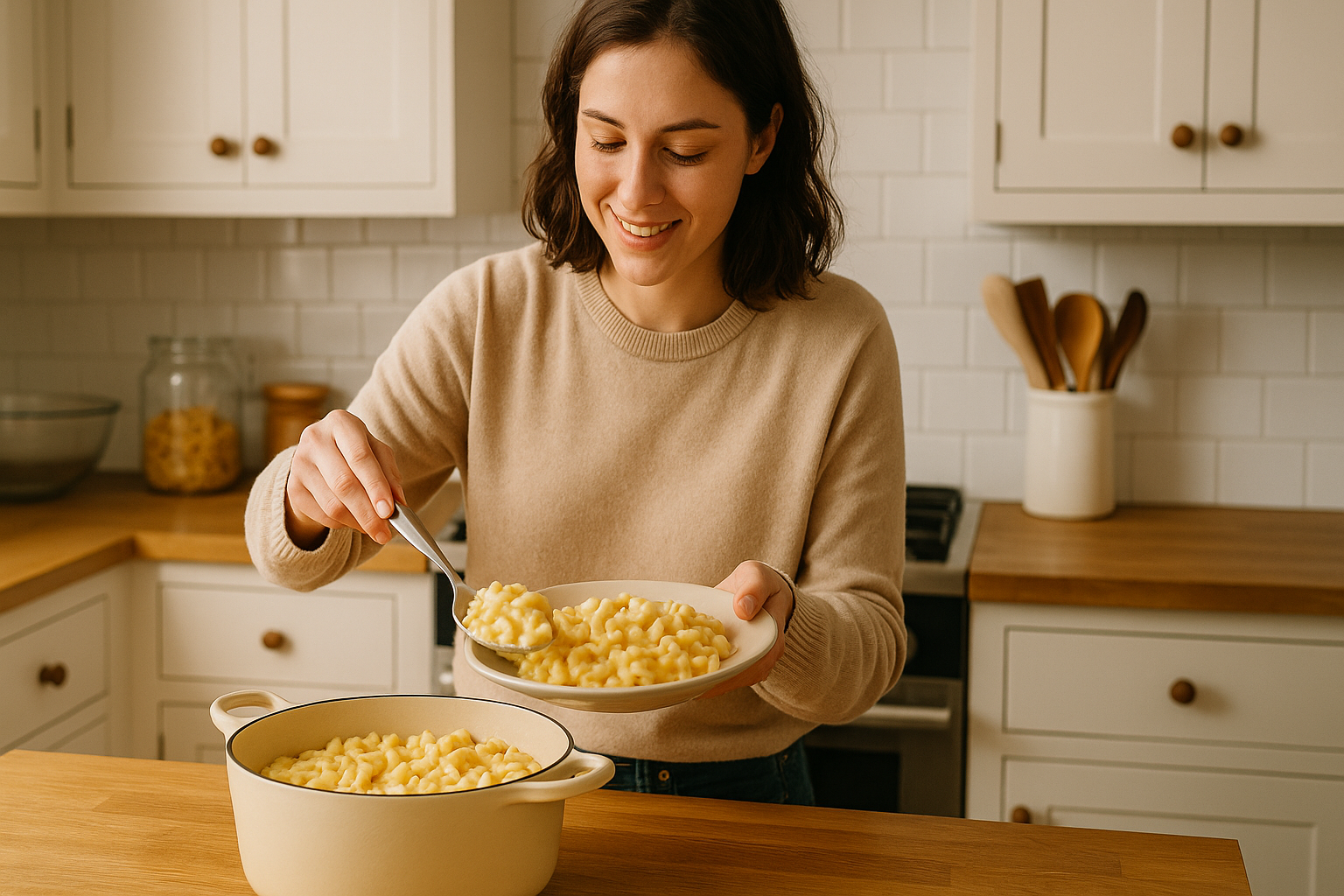
Some people can’t enjoy a meal without the perfect plate, fork, and mood lighting.
You? You’re content with eating cold pizza over the sink.
This signals that you’re low-maintenance.
You don’t need all the extras to be satisfied. Life doesn’t have to be Instagram-ready for you to feel content.
In fact, you may even pride yourself on being resourceful and grounded.
Here’s the catch: being low maintenance is great, but don’t let it slip into neglect.
Just because you can eat every meal over the sink doesn’t mean you should.
Small acts of care—like setting a plate for yourself—send the message (to you and others) that you’re worth it.
5) You lean toward minimalism
Eating this way strips away ceremony.
No table settings, no extra dishes, no drawn-out process—just you, the food, and the sink.
This is minimalism in action. You crave simplicity and reject unnecessary clutter.
You probably extend this mindset to other areas of your life, too—preferring fewer possessions, clean lines, or systems that cut through chaos.
The upside is clarity and focus.
The downside is you might overlook the joy that comes from a little intentional “extra”—like candles, flowers, or even a well-set table.
Minimalism shouldn’t mean cutting out joy. It should mean curating what really matters.
6) You’re a private thinker
Think about it: eating over the sink is almost like a secret act.
It’s not something you’d proudly display in front of guests. It’s personal, even private.
This often mirrors how you handle your thoughts and emotions.
You process things internally. You mull over ideas quietly before sharing them with the world.
That introspective quality can be powerful—it often means you’re reflective, self-aware, and thoughtful. Just watch that it doesn’t slide into bottling things up.
Sharing a meal with others is a metaphor for sharing life. Don’t keep too much tucked away inside.
7) You’re future-focused
This one might surprise you. But eating this way often comes from thinking ahead.
“I don’t want to wash dishes later.”
“I don’t have time to sit—I’ve got things to do after this.”
See the pattern? You’re already projecting into the future, weighing what’s coming next.
You may be wired to anticipate problems and smooth the path ahead.
That’s a strength, especially in careers or projects that demand planning and foresight.
But sometimes, being future-focused means you miss the present.
Food isn’t just fuel—it’s an experience.
Standing at the sink might be efficient, but it can rob you of the simple joy of the here and now.
8) You embrace imperfection
Eating over the sink is the opposite of picture-perfect. And you know what? You’re fine with that.
This shows that you embrace imperfection, both in yourself and in life.
You’re not obsessed with appearances or rigid standards.
Instead, you’re willing to laugh at yourself, take shortcuts, and prioritize practicality over presentation.
That kind of flexibility can lower stress and keep you from getting trapped by perfectionism.
But make sure you’re not using “good enough” as an excuse to accept less than what you deserve—whether in relationships, career, or self-care.
Final thoughts
At first glance, scarfing down food while leaning over the sink doesn’t seem all that deep.
But habits are rarely just habits—they’re clues to how we think, feel, and operate.
If you saw yourself in a few of these traits, you’re not alone.
I’ll be the first to admit I’ve displayed all of them at one point or another.
And here’s the good news: none of these traits is fixed. They’re tendencies, not destinies.
The key is awareness.
When you notice what small behaviors reveal about you, you gain the power to shift them—or celebrate them—intentionally.
So the next time you find yourself eating over the sink, pause for a moment.
Ask yourself: Am I rushing? Am I avoiding? Am I just being practical? Or maybe—am I perfectly fine with doing things my own way?
Whichever it is, own it. Self-development doesn’t always mean changing who you are.
Sometimes it simply means understanding yourself more clearly.
If You Were a Healing Herb, Which Would You Be?
Each herb holds a unique kind of magic — soothing, awakening, grounding, or clarifying.
This 9-question quiz reveals the healing plant that mirrors your energy right now and what it says about your natural rhythm.
✨ Instant results. Deeply insightful.