At the end of the day, “fancy” is just a story we tell about food. Change the story—toward smaller portions, cleaner flavors, and five minutes of presentation—and your kitchen starts serving the kind of everyday luxury that actually matters.
Some foods get labeled “fancy” because we first met them at a wedding buffet or on Instagram under moody lighting.
But for a lot of upper–middle-class families, those same items were just… Tuesday snacks. No crystal stemware, no special occasion, just something you grabbed from the fridge after soccer practice.
I spent my twenties in luxury F&B, watching how well-off families actually ate. And here’s the truth: what looks luxe from the outside is usually a mix of smart shopping, small portions, and everyday repetition.
Below are eight “fancy” snacks that were totally normal in those homes—and how you can borrow the habit without torching your budget.
1) Smoked salmon on rye (or crispbread)
If your only association with smoked salmon is Mother’s Day brunch, this one feels indulgent.
But the households I cooked for treated it like a protein staple, the same way others treat deli turkey.
The trick is portion size. A couple of thin slices over rye crackers with a swipe of cream cheese (or a dairy-free schmear), lemon, and black pepper. That’s it.
It’s salty, satisfying, and takes all of 60 seconds.
How to make it doable: buy smaller packs so you’re not racing the clock on freshness, and freeze half if you won’t finish it in a few days. A squeeze of lemon right before serving keeps it bright. If salmon isn’t your thing, swap in smoked tofu strips or marinated carrot “lox”—same vibe, lower cost.
Why it works on a Tuesday: high flavor density. A little goes a long way, so kids feel they’re getting something “special” even though the serving is modest.
2) Real cheese with fruit and nuts
Not cheese “product.” The real deal.
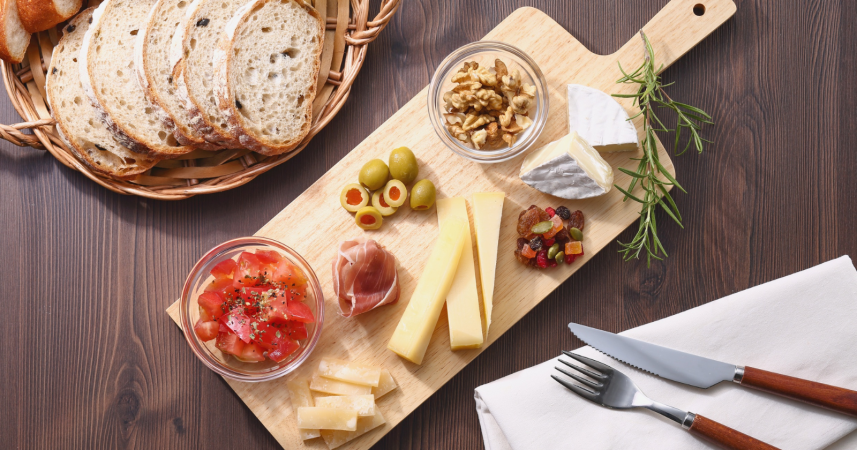
I saw so many after-school spreads that were basically a mini cheeseboard: a few cubes of aged cheddar, a piece of manchego, apple slices, and a handful of almonds.
The fancy part isn’t the cheese; it’s the restraint. Two ounces, not a brick. One fruit, one nut. That’s it.
Quality > quantity. The same principle that makes a great tasting menu sing.
Shop smart: check your market’s cheese end-cuts—those little wrapped odds and ends cost less and let you try varieties without committing. For a lighter option, go for a cultured, high-protein yogurt with berries and drizzle of honey. If you’re dairy-free, there are excellent aged plant-based cheeses now; pair with pear slices and pistachios and you’ve got the same sweet-salty-crunchy satisfaction.
Tuesday energy: this takes two minutes to plate and looks celebratory without any effort. Kids love “choosing” a cube from each pile. It feels like agency.
3) Olives and hummus with crudités
Olives get branded as cocktail-hour food. In the homes I worked with, they were kid snacks.
A ramekin of pitted Castelvetrano olives, carrot sticks, cucumber coins, and a dollop of hummus kept little hands busy and blood sugar stable until dinner.
Why it reads fancy: grocery store antipasti bars look glamorous under those lights. But a simple jar of olives and a tub of hummus is the same show with less drama.
Pro move: rinse brinier olives briefly to mellow the salt for kids, and drizzle the hummus with olive oil and paprika so it looks inviting.
Budget play: make hummus in five minutes from canned chickpeas. Add a spoon of tahini, lemon, garlic, and salt. It costs pennies and tastes better than store-bought. If sesame is an allergy, use white beans and olive oil for a creamy dip that still feels “grown up.”
4) Avocado toast (mini, not restaurant-sized)
Avocado toast isn’t a $16 café plate when you’re making it at home. It’s a slice of good bread, a half avocado mashed with salt and lemon, maybe chili flakes.
The families I catered for served kid versions on half-slices or little rye crisps. Two bites, done.
Why kids eat it: texture. Creamy on crunchy is a win. So is the ritual—let them mash their own half-avocado with a fork and sprinkle the flakes. Ownership is an appetite builder.
To keep it from browning all week, I buy avocados in different ripeness stages and store ripe ones in the fridge. If you want extra protein, top with hemp seeds or a smear of white bean spread. Simple, colorful, zero pretension.
5) Tinned fish with lemon and herbs
If you think tinned fish screams “grandma’s pantry,” welcome to 2025: high-quality tins are a thing, and they’re weeknight-friendly.
Sardines in olive oil, smoked trout, or mackerel become a snack plate with lemon zest, chopped parsley, and crackers. The affluent families I saw treated tins as a reliable protein—fast, shelf-stable, and (here’s the kicker) portion-controlled.
This is the luxury mindset in food: not excess, but ease plus quality.
If fish isn’t for you, white-bean confit can hit similar notes—beans warmed in olive oil with garlic and rosemary, then spooned on toast. Equally “fancy,” equally Tuesday.
Buying tip: look for tins packed in olive oil (not soy) and check for bones if your kids are texture-sensitive. Serve with a few cherry tomatoes and it reads like a tapas board.
6) Berries and Greek yogurt (sweet or savory)
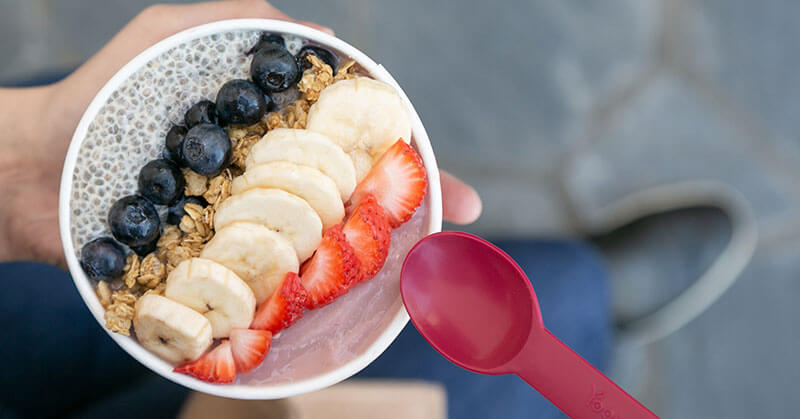
Berries feel fancy because they’re usually in delicate clamshells under misting jets.
But in higher-income households, berries were weekday business: washed, dried, and ready in a glass container, eaten with thick yogurt and a drizzle of honey.
Two moves elevate it: a pinch of salt (yes, really) to sharpen the sweetness, and a sprinkle of something crunchy—granola, toasted seeds, or even cacao nibs.
For savory, try yogurt with olive oil, lemon, and za’atar, plus cucumbers and flatbread. Kids love dipping; adults love that it’s protein-rich and not just sugar.
If berries are pricey where you are, buy frozen. Warm them briefly in a pan to make a quick compote. Spoon over yogurt and suddenly you’ve got a café-level parfait for pocket change.
7) “Charcuterie” but make it simple
Charcuterie boards went viral and got out of hand—whole grazing tables, candy versions, you name it.
In real life, the elevated version is modest: a few slices of good salami or prosciutto, pickles, mustard, and crusty bread. That’s a Tuesday snack in many households with means, not some Pinterest marathon.
What makes it work is balance: salty meat, acidic pickle, a smear of mustard, and enough bread to make it civilized.
You can do the same without pork by using roasted peppers, marinated artichokes, and a few slices of sharp cheese—or go plant-forward with smoked paprika–rubbed tofu, cornichons, and a stoneground mustard.
Cost control: buy meat at the counter and ask for 6–8 slices, not a whole prepacked tray. You’ll pay for exactly what you need and keep portions in check. Add apple slices so kids don’t just load up on salt.
8) Dark chocolate with citrus
Call it dessert or call it an afternoon pick-me-up. A couple squares of high-cocoa dark chocolate with orange or grapefruit segments showed up constantly in the homes I catered.
It scratches the sweet itch without turning snack time into a sugar roller coaster.
Presentation is everything. Break the chocolate into clean squares, add a pinch of flaky salt, and pile the citrus in a little bowl so it doesn’t waterlog the plate.
If you prefer dairy-free chocolate, great—there are excellent options. Pair with strawberries or toasted hazelnuts and it feels like a mini tasting experience.
This is where “fancy” is an attitude, not a price tag. Slow down for five minutes, plate it nicely, and your brain registers care. Kids pick up on that too.
Why these snacks read “fancy” (and how to steal the effect)
A lot of people assume wealth equals rare ingredients. In food, it’s usually the opposite. The “fancy” feeling comes from four unglamorous disciplines:
1) Portion control. The snack looks special because it’s curated. A few deliberate bites beat a bottomless bag. This also happens to be good for energy and satiety.
2) Repetition. The same household might rotate these four days in a row. They’re not reinventing the wheel; they’re repeating what works.
3) Presentation. Small plates, ramekins, a lemon wedge. You eat with your eyes first. You can copy this with any snack you already buy.
4) Ingredients that pull their weight. High flavor density—smoked, brined, aged, cultured—means you don’t need much. That’s not snobbery; it’s efficiency.
The mindset shift that changes how your kitchen feels
In hospitality, we say refinement is subtraction. You don’t add twelve elements to make something feel special—you remove the noise so the good thing can shine.
That’s the real “fancy” you’re seeing behind the curtain. Not opulence, but clarity. Not more, better.
A couple slices of smoked salmon with lemon. Three cubes of cheese with apple. Hummus and olives on a small plate. These aren’t status symbols; they’re systems for eating well on autopilot.
If you adopt even two of these ideas, you’ll notice your snacks feel calmer, your grocery trips feel lighter, and your Tuesdays… a little more joyful.
Final thoughts
At the end of the day, “fancy” is just a story we tell about food.
Change the story—toward smaller portions, cleaner flavors, and five minutes of presentation—and your kitchen starts serving the kind of everyday luxury that actually matters.
Which snack are you upgrading first this week?
If You Were a Healing Herb, Which Would You Be?
Each herb holds a unique kind of magic — soothing, awakening, grounding, or clarifying.
This 9-question quiz reveals the healing plant that mirrors your energy right now and what it says about your natural rhythm.
✨ Instant results. Deeply insightful.

Adam Kelton
Adam Kelton is a writer and culinary professional with deep experience in luxury food and beverage. He began his career in fine-dining restaurants and boutique hotels, training under seasoned chefs and learning classical European technique, menu development, and service precision. He later managed small kitchen teams, coordinated wine programs, and designed seasonal tasting menus that balanced creativity with consistency.
After more than a decade in hospitality, Adam transitioned into private-chef work and food consulting. His clients have included executives, wellness retreats, and lifestyle brands looking to develop flavor-forward, plant-focused menus. He has also advised on recipe testing, product launches, and brand storytelling for food and beverage startups.
At VegOut, Adam brings this experience to his writing on personal development, entrepreneurship, relationships, and food culture. He connects lessons from the kitchen with principles of growth, discipline, and self-mastery.
Outside of work, Adam enjoys strength training, exploring food scenes around the world, and reading nonfiction about psychology, leadership, and creativity. He believes that excellence in cooking and in life comes from attention to detail, curiosity, and consistent practice.
More Articles by Adam