Pantries tell the truth—if you want to live better, don’t wait for a different bank account to eat like a different person.
You can learn a lot about a family by peeking into the pantry.
Not in a judgy way, but more like an anthropology field trip with a side of budgeting.
I spent my twenties in luxury restaurants where the pantry looked like a boutique—saffron threads in tiny tins, vinegars with terroir, oils pressed from olives you could practically name.
At home, I’ve had very different seasons: Tight months, roommate years, groceries that had to stretch—that contrast is exactly why this topic is fascinating.
Pantry choices are rarely about taste alone as they’re about time, cash flow, and trade-offs.
The items below tend to show up in lower middle class homes for practical reasons—cost per serving, shelf life, versatility—while the upper crust either buys “fancier” substitutes or avoids the category entirely.
If you’re building a better life, pantry habits might be the quietest leverage you have.
Small swaps become big savings; big savings buy you time and optionality.
1) Instant noodles
Quick question: When was the last time you had a steaming bowl of instant ramen at midnight and felt your entire soul unclench?
For many families, instant noodles are the definition of reliable.
They’re absurdly cheap, cook in three minutes, and last forever.
You can feed three kids between soccer practice and homework for a couple of dollars.
That’s not convenience; that’s survival efficiency.
People with more money still eat noodles, sure, but they tend to upgrade to fresh ramen kits, artisan soba, or restaurant takeout.
It’s about outsourcing the time and buying a “better” story—heritage wheat, small-batch tare, pasture-raised eggs on top.
Here’s the twist: Instant noodles can be a smart base if you know how to hack them.
I’ll toss the flavor packet (too much sodium), boil the noodles in vegetable broth, and add frozen peas, spinach, scallions, and a spoon of peanut butter with chili crisp.
Suddenly you’ve got protein, fiber, and a broth that actually coats your lips!
2) Canned vegetables and beans
Canned green beans, corn, tomatoes, chickpeas, black beans—these are pantry regulars because they’re stable and predictable.
When the budget is tight, predictability is priceless.
You don’t lose produce to spoilage; you don’t gamble on a sad $5 avocado that goes brown overnight.
Upper-income kitchens lean on fresh produce delivery, specialty markets, or prepped kits.
They’re paying for freshness, aesthetics, and convenience on someone else’s time—they might also prefer the texture of fresh or frozen over canned.
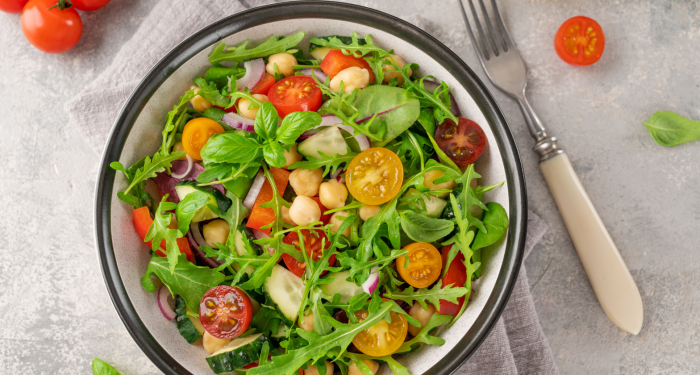
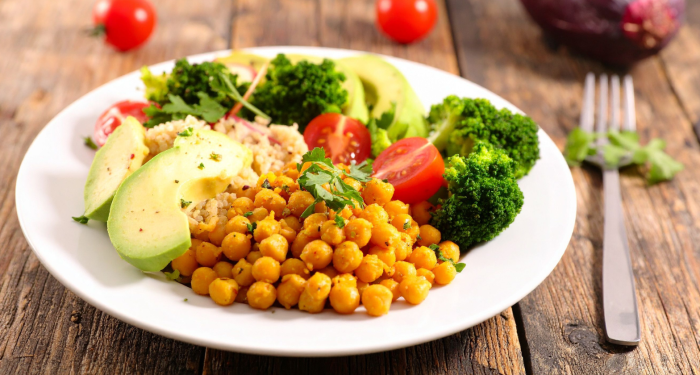
I’m pro-can with a caveat; rinse beans to ditch excess sodium, bloom spices in oil, then add canned tomatoes and a splash of balsamic to build body, and roast canned chickpeas at high heat with paprika until crisp.
If you want a stark upgrade, keep a few cans of fire-roasted tomatoes—same convenience, bigger flavor.
A mentor once told me, “Don’t fight the shelf; partner with it.”
If your pantry already holds canned things, design weeknight habits around them.
Prosperity often tastes like a plan.
3) Store-brand basics
Generic peanut butter, pasta, oats, salt, sugar, rice, flour, even store-brand pasta sauce—these show up because they’re often made in the same facilities as name brands, just without the marketing tax.
Wealthier households frequently buy branded or “craft” versions—almond butter with single-origin nuts, artisanal oats, heirloom rice.
Nothing wrong with that.
Taste and values matter but, for families managing cash flow, the unit economics of generics are undefeated.
My take from years in F&B: The “premium” difference is real in some categories (olive oil, chocolate, vinegar) and negligible in others (granulated sugar is granulated sugar).
Spend where it changes the experience, and save where it doesn’t.
If you love toast, splurge on a great jam and keep the store-brand peanut butter; if you bake often, buy the good vanilla but the basic flour.
A good rule I stole from a chef: Upgrade the “accent,” and economize the “bulk.”
You’ll taste the accent most.
4) Powdered drink mixes and shelf-stable juice

Tang, Kool-Aid, instant iced tea, concentrated drink powders—classic pantry tenants.
They’re cheap by the pitcher, kid-friendly, and don’t hog fridge space.
For families watching every peso or dollar, water plus powder equals a whole week of “fun drinks” without torpedoing the budget.
Upper-class households typically reach for cold-pressed juices, kombucha, flavored sparkling water, or premium concentrates sweetened with “better” sugars.
Again, it’s the narrative: Wellness, low-sugar, organic, glass bottles that clink like status.
If you like flavored drinks, set up a two-tier system. Daily default is water with sliced citrus or a pinch of salt for electrolytes.
Weekend treat is a pitcher of your favorite mix, but cut it 50/50 with sparkling water.
You keep the ritual and halve the sugar.
Behavior change works when you don’t remove all the joy.
5) Margarine and vegetable shortening
These live in a lot of pantries because they’re inexpensive, spreadable straight from the fridge, and shelf-stable.
For baking, shortening can make pie crusts flaky even if your technique isn’t perfect; for toast, margarine spreads without tearing the bread.
That matters when you’re hustling breakfasts at 6:30 a.m.
Wealthier kitchens often favor premium dairy butter, European-style cultured butter, or high-end plant-based butters with better oils.
They’ll also keep multiple fats—extra-virgin olive oil for finishing, ghee for sautéing, neutral oils for frying—because variety is part of the pleasure.
If margarine or shortening is your current reality, you can still upgrade outcomes.
Use neutral oil for cooking and save your “good fat” moments for where you’ll really taste them—on popcorn, drizzled over roasted vegetables, or whisked into a bright vinaigrette.
If you bake, swap half the shortening for oil and add a teaspoon of vinegar; the acidity tightens flavor and improves crumb.
6) Boxed baking mixes and canned frosting
Cake mix, brownie mix, pancake mix, canned frosting—these are pantry staples for birthdays, bake sales, and “Mom, we forgot dessert” emergencies.
They remove the mental load of measuring.
The price per slice is tiny, but the hit rate with kids is 100%.
Upper-income households might buy from a boutique bakery, keep specialty flours, or turn baking into a hobby with premium chocolate, vanilla paste, and pastry gear that costs more than my first car stereo.
Different priorities: If mixes are your lane, a few tiny upgrades change everything.
Add a shot of espresso or strong coffee to chocolate batter, swap water for milk in pancakes, stir citrus zest into canned frosting and whip it for 60 seconds to lighten the texture, and dust cakes with cocoa and powdered sugar mix for a pro finish.
There’s a business lesson hiding here: Simplify the process, then polish the edges.
You don’t need to rebuild the engine to make the ride feel luxe.
7) Bouillon cubes and seasoning packets
Finally, the little flavor bombs: Bouillon cubes, caldo powders, adobo seasoning, instant gravy, taco packets.
Lower middle class pantries love them because they solve a hard problem cheaply—consistent flavor without a spice library.
They’re portable, stackable, and transform boiling water into “soup” in under five minutes.
Upper-class kitchens tend to rely on boxed stocks, frozen house-made broths, or a lineup of whole spices they toast and grind.
It’s a time-money trade.
Having made gallons of stock in restaurants, I can tell you: The upscale route tastes amazing but requires freezer space and planning.
Packets aren’t the enemy, technique is the multiplier.
Toast the spice packet in a slick of oil for 30 seconds to wake it up, then build your dish, add a squeeze of lemon or splash of vinegar at the end to lift the salt, and balance a bouillon-based soup with something fresh—scallions, cilantro, or a handful of frozen corn.
Your tongue will read “complex,” even if your wallet reads “calm.”
One more hack: Keep a small jar of miso in the fridge—a teaspoon dissolved into packet-based soups or sauces adds body and umami with better nutrition.
It’s the stealth upgrade I wish someone told me years ago.
Closing the pantry
Pantries tell the truth.
Instant noodles, canned vegetables, store-brand basics, powdered drink mixes, margarine and shortening, boxed baking mixes, and seasoning packets show up in lower middle class homes because they deliver on the math of everyday living.
Upper-income households often buy around those categories, not because they’re morally superior, but because their constraints are different.
If you want to live better, don’t wait for a different bank account to eat like a different person.
Use what you have.
Level up with technique, tiny upgrades, and smarter defaults.
That’s how you turn a pantry from a list of compromises into a quiet engine of progress.
If You Were a Healing Herb, Which Would You Be?
Each herb holds a unique kind of magic — soothing, awakening, grounding, or clarifying.
This 9-question quiz reveals the healing plant that mirrors your energy right now and what it says about your natural rhythm.
✨ Instant results. Deeply insightful.