We don’t have to pretend to enjoy dishes that feel more like artifacts than food.
We’ve all smiled through a bite of something “classic” while wondering if anyone actually likes it.
I spent my 20s in restaurants chasing real flavor—crisp, bright, balanced—and some old standbys just don’t make the cut.
This isn’t a takedown of a generation; it’s a reality check for Boomer's taste buds.
In this piece, I’m calling out six dishes Boomers politely endure that no one actually likes—and sharing simple upgrades that actually taste good.
Ready to retire a few relics from the buffet?
1) Ambrosia salad
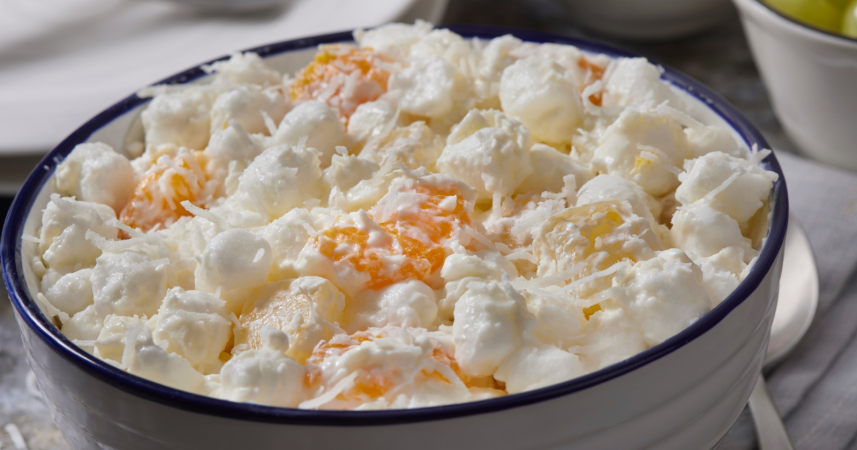
There’s a certain bowl that shows up at family gatherings like it has its own RSVP—it’s glossy, pastel, and somehow both wet and fluffy.
Ambrosia salad sounds divine until you meet the reality: Canned fruit, mini marshmallows, shredded coconut, and a binding agent that’s either sour cream, mayonnaise, or whipped topping that never truly existed in nature.
I get the nostalgia, but I also get the texture problem as your teeth don’t know whether to chew, sip, or surrender.
The fruit is sleepy from living in syrup, the coconut squeaks, and the dressing slides around the bowl like a rental car in the snow.
When I spent my 20s in luxury F&B, we obsessed over contrast—acid that pops, crunch that lifts, herbs that wake up a dish.
However, ambrosia is the opposite as it’s dulled sweetness and dampness.
Most of us quietly push it around the plate out of politeness while Boomers are forced to pretend like it's the real deal.
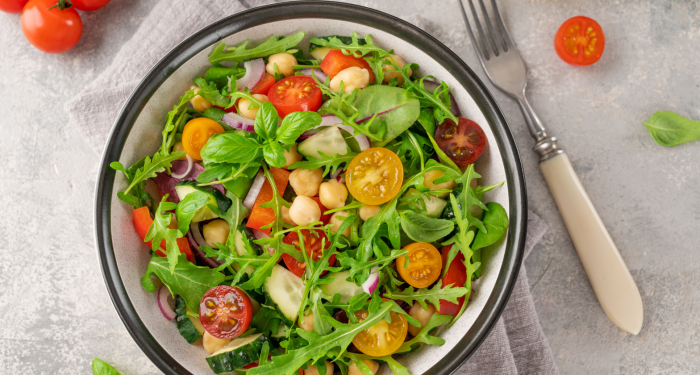
What to do instead? Real fruit salad, but with intention.
Fresh citrus segments, a squeeze of lime, torn mint, toasted coconut, and a spoon of thick coconut yogurt.
It tastes like vacation, not a time capsule.
Life lesson baked in: Convenience is rarely the same as quality.
When you upgrade the inputs, the experience changes—and not just at the table.
2) Jell-O molds
Jell-O is a proper noun and a cultural artifact.
It’s also where perfectly good olives, peas, carrot shavings, and sometimes tuna go to be mummified.
The savory gelatin mold walked so modern food crimes could run.
The problem isn’t gelatin per se; it’s the uncanny valley of texture and temperature.
Cold wobble plus trapped savory bits equals sensory confusion.
Your brain expects dessert and gets brine, while your mouth expects chew and gets jiggle.
Hospitality is about meeting expectations, and these molds consistently violate them.
There’s also an ingredients conversation—traditional gelatin is animal-derived, which isn’t exactly VegOut energy.
If you want a clear, jewel-like jelly that respects fruit, agar-agar does the job beautifully.
Set a tart cherry terrine with fresh berries and citrus zest, cut into cubes, and serve it ice-cold.
It’s modern, vegan-friendly, and actually refreshing.
Not every tradition deserves tenure, and Boomers need to understand this.
We inherit recipes like we inherit beliefs—some are heirlooms, others are clutter.
Keeping something just because it’s “always been there” is how you end up with lime-green wobble on the buffet and habits that don’t serve you.
3) Fruitcake
I’ve had great fruitcake exactly twice.
Both were handmade, patiently fed with good booze, and packed with real dried fruit—not neon cherries that look like they escaped a science fair.
The rest? Doorstops with raisins.
Mass-market fruitcake misses because it’s too sweet, too dense, and too aggressive with candied everything.
The rum or brandy isn’t layered; it’s sprayed on like cologne at the mall.
People accept a courtesy slice and then use the rest as a paperweight until February.
But the concept can work if you respect the craft: Start with quality dried figs, apricots, and dates.
Soak them in a spirit you’d actually sip, use warm spices, a nut you can identify blindfolded, and just enough batter to hold it all together.
On the other hand, you can sidestep the entire debate and swap in panettone warmed for a minute with a smear of mascarpone.
If you want darker and stickier, a date-rich sticky toffee pudding (easily plant-based) will make you forget fruitcake exists.
We cling to things because we’ve invested in them—time, money, and reputation.
If it isn’t good, stop doubling down and upgrade the ingredients (or, maybe, just let it go).
4) Black licorice
Let’s be honest: Anise is polarizing.
Black licorice has a fan club and an equal-sized support group for survivors.
The compound glycyrrhizin lends that bitter-sweet, rooty punch that some palates interpret as elegant and others as “why does this taste like a pharmacy?”
In tasting rooms, I used to split a group right down the middle with a licorice-laced amaro.
Half the faces lit up; half searched for the nearest plant to hide their glass behind.
That’s the thing about acquired tastes: They should be acquired because they add joy, not because they signal sophistication.
If you love it, love it—if Boomers still want to pretend to love it, then let them pretend!
There are classy versions from Italy and Scandinavia that balance salt, sweetness, and that fennel-leaning aroma.
If you don’t, you’re not missing a rite of passage.
Try roasted fennel with olive oil and lemon for a softer, sweeter take.
Brew fennel tea with a slice of orange, or go anise-adjacent with biscotti that hints at the flavor without turning your tongue into a chalkboard.
Mastery isn’t about forcing yourself to like everything but, rather, it's about discerning what genuinely suits you.
You can be cultured and say, “Not for me.”
5) Overcooked vegetables
There’s a flavor I call “Sunday at 4 p.m.,” born of well-meaning tradition: Brussels sprouts boiled to submission, asparagus canned into a khaki tube, broccoli the color of a military jacket.
The kitchen smelled like sulfur and steam, and vegetables became a duty.
Overcooking nukes texture, flattens sweetness, and drains color—the very cues your brain uses to say, “This is delicious and alive.”
No wonder generations grew up believing they didn’t like vegetables.
They didn’t dislike vegetables; they disliked mush with a side of sadness.
The fix isn’t complicated; it’s technique.
Roast sprouts at high heat until they blister and turn sweet, then toss with a sharp vinaigrette and chopped pistachios.
Blanch green beans in salted water so they squeak, then shock in ice and dress with lemon and good olive oil.
Grill asparagus fast and hard so it gets char and snap. Salt early, add fat for carry, and finish with acid to make flavors pop.
I’ve watched “I hate veggies” guests turn into people who spear roasted carrots like it’s the last bite on Earth.
Process beats willpower because you don’t need a different ingredient, you just need a better method.
6) Cottage cheese “salads”
Finally, the word “salad” has done a lot of heavy lifting for dishes that never met a leaf.
Cottage cheese with pineapple, “lime delight” with cottage cheese folded into gelatin, the infamous Watergate salad that’s pistachio pudding mix, marshmallows, canned pineapple, and whipped topping.
These bowls travel under a health halo and arrive as dessert dressed for church.
I’m not anti-cottage cheese—I’m anti-confusion.
Curds plus canned fruit plus sugar clouds leave you with a texture mashup that reads vaguely medicinal.
It’s like someone tried to make a protein snack and a birthday party in the same bowl and forgot to invite flavor—and you're telling me that Boomers like this?
Well, I hope they're just pretending to!
If you want creamy and satisfying, whip ricotta (or a plant-based ricotta) with lemon zest and a touch of maple, then top with fresh berries and toasted almonds.
On the other hand, if you’re after pistachio vibes, make an actual pudding with real pistachios or a chia version blended smooth with oat milk and a pinch of cardamom.
You’ll get the nostalgia note without the artificial chorus.
“Salad” doesn’t mean balanced, “tradition” doesn’t mean good, and “protein” doesn’t mean it tastes like anything.
Read beyond the name—on packages and in life.
The bottom line
Plenty of Boomers fed whole families on tight budgets and did the best they could with what was available.
The point is that our palates—and our standards—evolve.
We don’t have to pretend to enjoy dishes that feel more like artifacts than food.
If a recipe sticks around only because “we’ve always had it,” that’s not reverence—that’s autopilot.
You’re allowed to retire a Jell-O mold with a thank-you speech just like you’re allowed to swap fruitcake for warm panettone, mush for char, confusion for clarity.
Bring an upgraded version of a classic and let it speak for itself; offer to make the vegetable side and give it the technique it deserves.
If you’re served something you don’t love, take a polite bite, give a generous compliment to the host, and move on.
Food should taste like care and the now.
When we choose better ingredients, better methods, and better stories, the table becomes a place we look forward to—not a museum we tiptoe through.
If You Were a Healing Herb, Which Would You Be?
Each herb holds a unique kind of magic — soothing, awakening, grounding, or clarifying.
This 9-question quiz reveals the healing plant that mirrors your energy right now and what it says about your natural rhythm.
✨ Instant results. Deeply insightful.