After veganizing twelve of my grandmother's beloved dishes, I learned that some recipes transform beautifully while others taught me harder lessons about memory, food, and letting go.

Add VegOut to your Google News feed. 
My grandmother's recipe box sits on my kitchen counter, its edges softened by decades of handling. Inside are index cards written in her careful cursive, some splattered with evidence of meals past.
When I went vegan at 35, I made myself a promise: I would translate every single one of her recipes into plant-based versions. I wanted to prove that nothing had to be lost.
Twelve recipes later, I've learned something more nuanced. Four of those dishes emerged as genuine successes, recipes I now make regularly and serve proudly.
The other eight? They taught me lessons I didn't expect about the nature of food, memory, and the strange alchemy that makes certain dishes irreplaceable.
The ones that made it
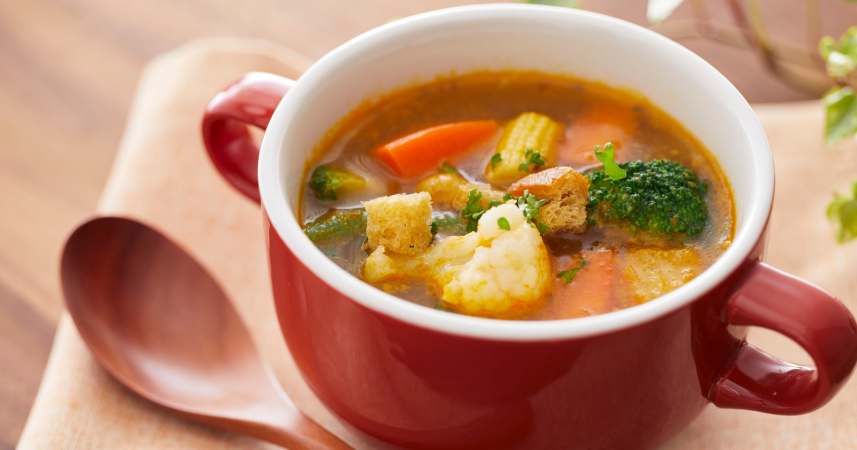
Her vegetable soup was the easiest win. The original recipe called for beef broth and a ham hock for depth, but swapping in a rich mushroom broth and a splash of liquid smoke created something that tasted like home on a cold evening. The vegetables were always the star anyway. I think she would have approved.
Her chocolate cake surprised me most. The original used buttermilk and eggs, but a combination of apple cider vinegar, plant milk, and flax eggs produced a crumb so tender that Marcus asked if I'd accidentally made the original. The frosting, always a simple chocolate buttercream, translated perfectly with vegan butter.
Her stuffed peppers and her minestrone also crossed over beautifully. Both were already vegetable-forward dishes where the meat played a supporting role. Crumbled tempeh in the peppers and white beans in the minestrone filled those gaps without anyone noticing something was missing.
The ones that fell short
Her fried chicken was my most spectacular failure. I tried seitan, I tried cauliflower, I tried every coating technique I could find. Each version was fine on its own terms, some even delicious. But none of them were her fried chicken. The crunch was different. The way it pulled apart was different. The way it made me feel was different.
Her cheese grits met a similar fate. I experimented with nutritional yeast, cashew cream, and various vegan cheese brands. The texture was close, but that particular sharp, creamy quality that made her grits legendary remained elusive. I served my best attempt to my parents during a visit. My mother was kind about it, which told me everything.
Her custard pie and her biscuits also didn't survive the translation. The custard never set quite right, and the biscuits, despite my best efforts with cold vegan butter and careful handling, lacked that specific flaky tenderness that made hers disappear from the table in minutes.
What the failures taught me
Here's what I've come to understand: some recipes are more than the sum of their ingredients. They're tied to specific textures, specific chemical reactions, specific memories that can't be replicated by substitution alone. And that's okay.
I spent months feeling like each failed recipe was a small betrayal, proof that my ethical choices had costs I hadn't fully considered. But sitting with that discomfort taught me something valuable. Grief and growth can coexist. I can miss my grandmother's fried chicken and still feel certain about my decision not to eat animals. These truths don't cancel each other out.
What would it mean for you to hold two seemingly contradictory feelings at once? To honor what was while embracing what is?
Creating new traditions
The four recipes that survived have become anchors in my own kitchen. I make the chocolate cake for every birthday. The vegetable soup appears on the first cold night of autumn. These dishes carry her forward in a way that feels authentic rather than forced.
But I've also started creating new recipes that aren't translations of anything. A miso-glazed eggplant that Marcus requests constantly. A coconut milk panna cotta with seasonal fruit. A spiced lentil stew that's become my own signature dish. These don't replace what came before. They exist alongside it.
My grandmother was a practical woman who fed her family with whatever she had. I like to think she would understand that I'm doing the same thing, just with different constraints and different knowledge.
Final thoughts
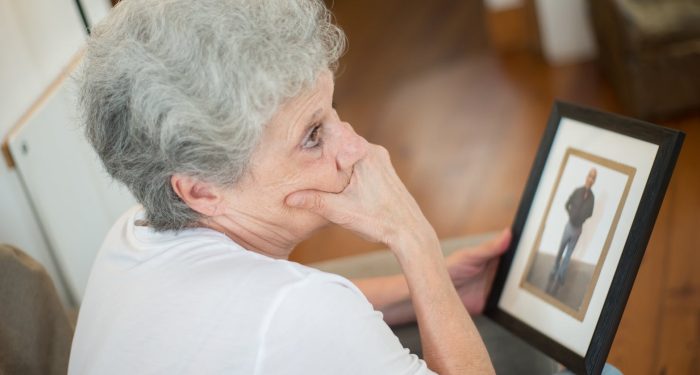
That recipe box still sits on my counter. I haven't removed the cards for the dishes I can't make anymore. They're part of the collection, part of the story. Sometimes I pull one out just to see her handwriting, to remember standing beside her in a kitchen that smelled like butter and possibility.
Four out of twelve might sound like a low success rate. But I've stopped thinking about it that way. Those four recipes are bridges between who she was and who I've become. The other eight are reminders that some things belong to a specific time and place, and that letting them stay there is its own form of love.