These are the meals I turn to when my brain is tired but my body still deserves something nourishing.

Add VegOut to your Google News feed. 
Some evenings, I walk through my front door after a long run or a day of deadline-heavy writing, and the idea of consulting a recipe feels like being asked to solve calculus problems.
My brain has clocked out. But my body? It still needs fuel, and good fuel at that.
Over the years, I've developed a handful of dinners that require almost no mental energy but still leave me feeling genuinely nourished. These aren't fancy. They won't impress anyone at a dinner party.
But they've carried me through countless weeknights when the alternative was cereal over the sink. Maybe they'll do the same for you.
1) The big bowl of grains, greens, and whatever's in the fridge
This is less a recipe and more a formula I've internalized so deeply it feels like instinct. I keep cooked grains in my fridge at all times, usually quinoa or farro, sometimes brown rice. The greens are whatever needs using: spinach, kale, arugula, even chopped cabbage.
I warm the grains, wilt the greens into them, and then raid the refrigerator. Leftover roasted vegetables? In they go. Half an avocado going soft? Perfect. That jar of tahini dressing from three days ago? Drizzle it on. Chickpeas from a can, rinsed and tossed in.
The beauty is that it's different every time but always satisfying. What's already in your kitchen right now that could become a bowl like this?
2) Coconut curry from a jar (no shame, only comfort)
I used to feel guilty about using store-bought curry paste or simmer sauces. Then I realized that guilt was just leftover perfectionism from my finance days, and I let it go.
Now I keep a jar of Thai curry paste and a few cans of coconut milk in the pantry. Dinner becomes: sauté whatever vegetables are on hand (frozen works beautifully here), add curry paste and coconut milk, simmer for fifteen minutes, serve over rice. The whole thing takes maybe twenty minutes, and most of that time I'm just standing there letting the pot do its work.
Sometimes I add cubed tofu. Sometimes I throw in a handful of spinach at the end. It's forgiving, warming, and exactly what I need when the weather turns cold or my energy runs low.
3) Pasta with garlic, olive oil, and one good vegetable
There's a reason aglio e olio has survived for centuries. It's simple, it's fast, and it tastes far better than it has any right to given the minimal effort involved.
I boil pasta, and while it cooks, I slowly sauté sliced garlic in generous olive oil until it's golden and fragrant. Then I add one vegetable: broccoli florets, halved cherry tomatoes, or thinly sliced zucchini. The pasta water goes in to create a silky sauce. Everything gets tossed together with red pepper flakes and a squeeze of lemon.
This meal reminds me that complexity isn't the same as quality. Sometimes the simplest things are the most satisfying. When did you last let yourself enjoy something uncomplicated?
4) Sheet pan roasted vegetables with hummus and pita
I discovered this dinner during a particularly chaotic deadline week, and it's been in regular rotation ever since. The oven does all the work while I do something else entirely, like stretch after a run or stare blankly at the wall (both valid options).
I chop whatever vegetables I have: sweet potatoes, cauliflower, bell peppers, red onion, chickpeas from a can. Everything gets tossed with olive oil, salt, and whatever spices feel right. Cumin and smoked paprika are my defaults. Forty minutes at 400 degrees, and dinner is ready.
I serve it with store-bought hummus, warm pita bread, and sometimes a simple cucumber salad. It feels abundant without requiring any real thought, which is exactly the point.
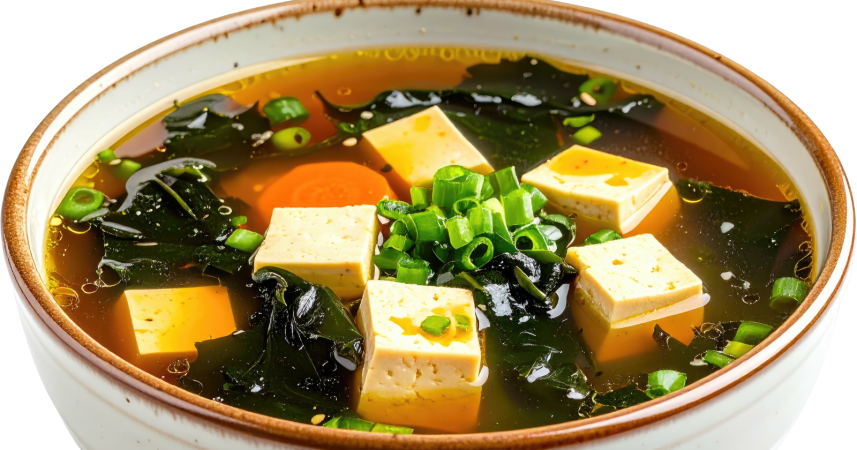
5) Miso soup with tofu and lots of vegetables
This one came into my life when Marcus was recovering from a bad cold, and I wanted to make something healing without standing over the stove for hours. Miso soup turned out to be the answer.
I keep white miso paste in the refrigerator, where it lasts for months. To make soup, I simmer vegetables in water or vegetable broth: mushrooms, bok choy, carrots, whatever needs using. I add cubed silken tofu and let everything warm through. Then I turn off the heat and stir in the miso, which you shouldn't boil or you'll kill its beneficial properties.
The result is light but deeply satisfying, the kind of meal that makes you feel cared for even when you're the one doing the caring. It's become my go-to when I want nourishment without heaviness.
Final thoughts
These five dinners have taught me something important: eating well doesn't require heroic effort. It requires a stocked pantry, a few reliable formulas, and the willingness to let go of the idea that every meal needs to be an event.
Some nights, dinner is just fuel. And that's okay. The goal isn't perfection. The goal is showing up for yourself, even when you're tired, even when your brain has nothing left to give. These meals help me do that.
What are your no-think dinners? The ones you could make with your eyes half-closed? I'd love to know.