If you've ever felt dismissed when asking about plant-based iron sources, these nutrient-dense foods will change the conversation.
When I first went vegan at 35, the iron question came up constantly.
Family dinners, doctor's appointments, even casual conversations with colleagues. "But where do you get your iron?" The concern was well-meaning, but it revealed a common misconception: that plant foods somehow fall short in the iron department.
Five years later, my iron levels are better than they were during my steak-eating finance days. The secret? Understanding which plant foods pack a serious punch and how to make that iron more available to your body.
Here's a roundup of vegan iron sources that might surprise you with their potency.
Dark chocolate
Let's start with the one that makes people's eyes light up.
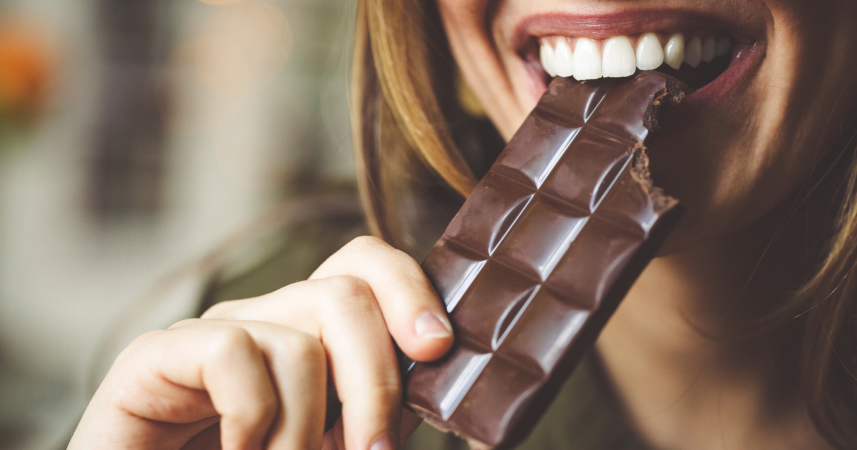
Quality dark chocolate (70% cacao or higher) contains roughly 3.4 mg of iron per ounce. That's nearly 20% of the daily recommended intake for most adults. I keep a bar in my desk drawer, and a square or two with afternoon tea has become a small ritual I genuinely look forward to.
The key is choosing chocolate with minimal added sugar and high cacao content. Look for brands that list cacao or cocoa mass as the first ingredient. Pair it with vitamin C-rich foods like orange slices or strawberries to boost absorption.
Pumpkin seeds
These unassuming little seeds are iron powerhouses. One ounce delivers about 2.5 mg of iron, plus zinc, magnesium, and healthy fats. I toss them on salads, blend them into smoothies, or just eat them straight from a small jar I keep on my kitchen counter.
Roasting them lightly with a touch of sea salt brings out a nutty flavor that works beautifully on everything from oatmeal to roasted vegetables. They're also incredibly portable, making them perfect for trail running fuel or desk snacking.
Lentils
If there's a workhorse in the plant-based iron world, it's the humble lentil. One cup of cooked lentils provides about 6.6 mg of iron, which is over a third of what most people need daily. They're also loaded with protein and fiber, making them incredibly satisfying.
Red lentils cook quickly and break down into a creamy texture perfect for soups and dal. Green and brown varieties hold their shape better for salads and grain bowls.
I make a big batch of lemony lentil soup most Sundays, and it carries me through busy weekday lunches.
Spinach and other leafy greens
Popeye was onto something. Cooked spinach offers about 6.4 mg of iron per cup, and cooking actually makes the iron more accessible than eating it raw. Swiss chard, beet greens, and collards are also excellent choices.
The trick with leafy greens is volume. A massive pile of raw spinach cooks down to almost nothing, so don't be shy about adding generous handfuls to stir-fries, pasta dishes, or scrambled tofu. A squeeze of lemon at the end adds brightness and helps your body absorb more of that iron.
Tofu and tempeh
Soy-based proteins are iron-rich and versatile. Half a cup of firm tofu contains around 3 mg of iron, while tempeh offers slightly more. Both absorb flavors beautifully, making them perfect canvases for marinades and sauces.
I've found that pressing tofu before cooking makes a real difference in texture.
Tempeh benefits from a quick steam before marinating, which mellows any bitterness. Both work wonderfully in grain bowls, stir-fries, or crumbled into tacos.
Fortified foods
Sometimes the simplest solutions are the most effective. Many plant milks, cereals, and nutritional yeast are fortified with iron. A single serving of fortified cereal can provide 100% of your daily iron needs, though absorption varies.
Check labels carefully, as fortification levels differ significantly between brands. I sprinkle nutritional yeast on popcorn, pasta, and roasted vegetables.
It adds a savory, almost cheesy flavor while contributing to my iron intake.
Quinoa
This ancient grain (technically a seed) offers about 2.8 mg of iron per cooked cup, along with complete protein containing all nine essential amino acids. It's become a staple in my kitchen for good reason.
Rinsing quinoa before cooking removes the natural coating that can taste bitter. Try cooking it in vegetable broth instead of water for extra flavor. It works in both savory dishes and sweet breakfast bowls with fruit and nuts.
Final thoughts
Iron deficiency is a real concern, but it's not unique to vegans.
Many people, regardless of diet, struggle with adequate iron intake. The plant kingdom offers abundant sources, and with a little attention to variety and absorption enhancers like vitamin C, meeting your needs becomes straightforward.
What I've learned over these past five years is that nourishing ourselves well requires curiosity more than perfection. Have you explored which iron-rich foods resonate with your taste and lifestyle?
Sometimes the most powerful changes come from small, sustainable additions rather than dramatic overhauls.
Just launched: Laughing in the Face of Chaos by Rudá Iandê
Exhausted from trying to hold it all together?
You show up. You smile. You say the right things. But under the surface, something’s tightening. Maybe you don’t want to “stay positive” anymore. Maybe you’re done pretending everything’s fine.
This book is your permission slip to stop performing. To understand chaos at its root and all of your emotional layers.
In Laughing in the Face of Chaos, Brazilian shaman Rudá Iandê brings over 30 years of deep, one-on-one work helping people untangle from the roles they’ve been stuck in—so they can return to something real. He exposes the quiet pressure to be good, be successful, be spiritual—and shows how freedom often lives on the other side of that pressure.
This isn’t a book about becoming your best self. It’s about becoming your real self.