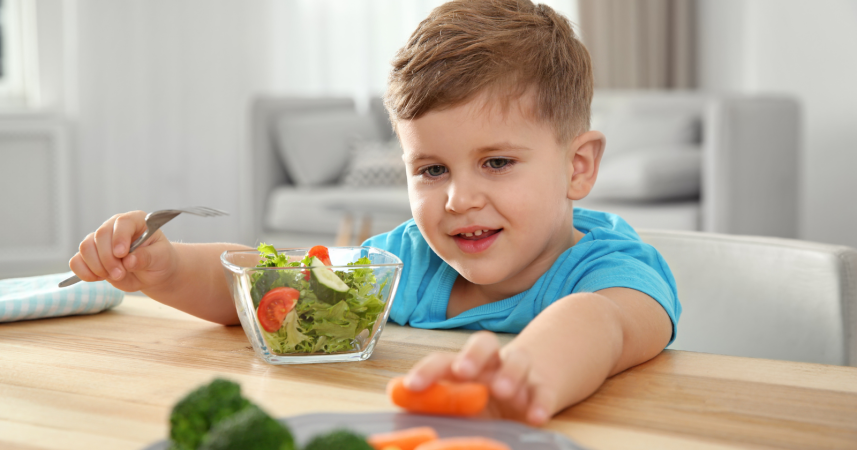
With thoughtful planning and a few key nutrients on your radar, raising a thriving vegan toddler is absolutely achievable.

Add VegOut to your Google News feed. 
When I went vegan at 35, the only person I had to worry about feeding was myself.
I could experiment, make mistakes, and learn as I went. But I've watched friends navigate something far more vulnerable: nourishing a tiny human whose brain and body are developing at an astonishing pace.
The questions they ask me aren't casual. They're laced with love and a little fear. Am I doing this right? Will my child be healthy?
The short answer is yes, you can raise a thriving vegan toddler. But it requires intention. Not perfection, not obsession, just awareness of which nutrients need extra attention when animal products aren't on the menu.
Think of it less like following a rigid rulebook and more like understanding the landscape so you can navigate it with confidence.
The building blocks of a growing brain
Between ages one and three, your child's brain is forming connections at a rate they'll never match again. This is the season of language explosions, emotional development, and cognitive leaps that seem to happen overnight.
Two nutrients play starring roles in this process: vitamin B12 and omega-3 fatty acids, specifically DHA.
Vitamin B12 is non-negotiable. It's essential for neurological development and red blood cell formation, and it's the one nutrient that simply cannot be obtained reliably from plant foods alone.
The consequences of B12 deficiency in young children can be serious and sometimes irreversible, affecting cognitive function and development. A daily supplement or B12-fortified foods like nutritional yeast and plant milks should be part of your toddler's routine without exception.
DHA, an omega-3 fatty acid, supports brain and eye development. While the body can convert ALA from foods like flaxseed and walnuts into DHA, the conversion rate is low. An algae-based DHA supplement gives you peace of mind that your little one is getting enough.
Strong bones without dairy
We've been told our whole lives that milk builds strong bones. But calcium is the real hero, and it doesn't have to come from a cow.
Toddlers need around 700 milligrams of calcium daily, and there are plenty of plant sources to help you get there: fortified plant milks, calcium-set tofu, tahini, and cooked leafy greens like kale and bok choy.
But here's what often gets overlooked: calcium needs a partner. Vitamin D helps the body absorb calcium and use it effectively. Many toddlers, vegan or not, don't get enough vitamin D, especially in northern climates or during winter months.
A vitamin D supplement, typically D3 from lichen for vegan families, ensures those little bones are getting what they need to grow strong.
Have you checked whether your child's plant milk is fortified with both calcium and vitamin D? It's worth a glance at the label.
Iron and the energy to explore
Toddlers are relentless explorers. They climb, run, fall, get up, and do it all again. That energy depends partly on adequate iron, which carries oxygen to muscles and supports immune function. Iron deficiency is one of the most common nutritional concerns in young children worldwide, regardless of diet.
Plant-based iron, called non-heme iron, is absorbed less efficiently than the heme iron found in meat. But you can significantly boost absorption by pairing iron-rich foods with vitamin C.
Think lentil soup with a squeeze of lemon, or oatmeal with strawberries. Beans, fortified cereals, quinoa, and spinach are all solid sources.
The recommended daily iron intake for toddlers is about 7 milligrams. With a little creativity in the kitchen, hitting that number becomes second nature.
Protein is rarely the problem
This might surprise you, but protein is usually the nutrient parents worry about most and need to worry about least. Toddlers don't need massive amounts of protein, and a varied vegan diet typically provides plenty. Beans, lentils, tofu, tempeh, nut butters, and whole grains all contribute.
The key is variety. Different plant proteins offer different amino acid profiles, so rotating through various sources throughout the week ensures your child gets the full spectrum.
You don't need to combine proteins at every meal, an outdated myth that's been thoroughly debunked. Just aim for diversity over time.
What does your toddler actually enjoy eating? Sometimes the path to adequate nutrition is simply offering more of what they already love in different forms.
Zinc and iodine: the quiet essentials
These two minerals don't get as much attention, but they matter. Zinc supports immune function and growth, while iodine is critical for thyroid health and brain development. Both can be lower in vegan diets if you're not paying attention.
Good zinc sources include legumes, nuts, seeds, and whole grains. Soaking and sprouting these foods can improve zinc absorption. For iodine, seaweed is a potent source, but amounts vary wildly, so it's not always reliable. Many families opt for iodized salt or a supplement that includes iodine to cover their bases.
The World Health Organization emphasizes iodine's importance during early childhood, making it worth a conversation with your pediatrician.
Final thoughts
Raising a vegan toddler isn't about achieving nutritional perfection every single day. It's about understanding which nutrients need your attention and building habits that support your child's growth over time.
Some days will be heavy on fortified cereal and nut butter sandwiches. Other days you'll serve a beautiful rainbow of vegetables that mostly ends up on the floor. Both are part of the journey.
What I've learned from my own path, and from watching the parents around me, is that anxiety rarely serves us well. Knowledge does. When you know what to focus on, you can relax into the daily rhythm of feeding a small human.
You can trust that you're giving them exactly what they need to thrive.