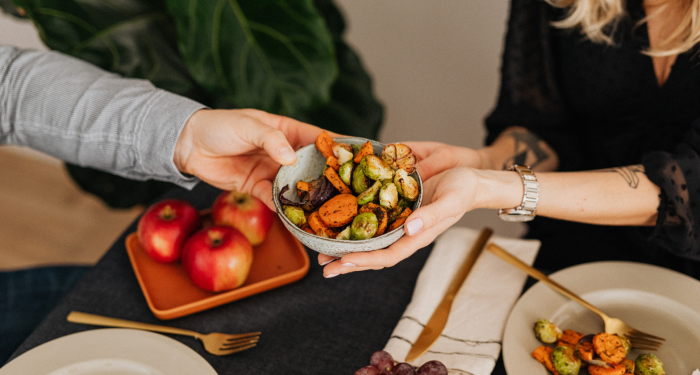
Building strong bones on a plant-based diet is easier than you think when you know which foods to reach for.
When I went vegan at 35, my mother's first concern wasn't protein. It was calcium. "Your bones," she said, with the same worried tone she'd used when I left my finance career. "What about your bones?"
I get it. We've been told our whole lives that dairy equals strong bones. But here's what I've learned after years of running trails and eating plants: calcium is abundant in the plant kingdom.
The National Institutes of Health recommends adults get about 1,000mg of calcium daily, and you absolutely can hit that number without a single glass of milk. Let me show you how.
1. Tofu (calcium-set)
Not all tofu is created equal when it comes to calcium. Look for brands made with calcium sulfate, and you're looking at roughly 250-400mg per half cup. That's comparable to a glass of milk, tucked into something far more versatile.
I cube it into stir-fries, crumble it into scrambles, or blend silken varieties into creamy sauces. The beauty of tofu is that it absorbs whatever flavors you give it. Have you experimented with marinating it overnight? The texture transformation is worth the wait.
2. Fortified plant milks
This one's almost too easy. Most commercial oat, soy, and almond milks are fortified to match or exceed dairy's calcium content, typically around 300mg per cup. I keep a carton in the fridge at all times.
Pour it over granola, blend it into smoothies, or use it in baking. Just remember to shake the carton well. Calcium can settle at the bottom, and you want every sip to count.
3. Collard greens
One cup of cooked collard greens delivers about 270mg of calcium. But here's what makes them special: they're also low in oxalates, which means your body can actually absorb more of that calcium compared to some other greens.
I braise mine slowly with garlic and a splash of apple cider vinegar. The Southern tradition of cooking greens low and slow exists for a reason. They become silky, tender, and deeply satisfying. What greens did you grow up eating?
4. Chia seeds
These tiny seeds pack a serious punch. Just two tablespoons contain around 180mg of calcium, plus omega-3s and fiber. I stir them into overnight oats or blend them into smoothies without a second thought.
Chia pudding has become my go-to afternoon snack, especially after long runs. Mix them with plant milk and a little maple syrup, let them sit for a few hours, and you've got something that feels indulgent but is genuinely nourishing.
5. Tahini
Sesame seeds are calcium powerhouses, and tahini makes them delicious. Two tablespoons give you about 130mg of calcium, plus healthy fats that help with absorption.
Drizzle it over roasted vegetables, whisk it into salad dressings, or swirl it into oatmeal. I've been known to eat it straight from the jar with a spoon. No judgment here.
6. White beans
One cup of cooked white beans contains roughly 160mg of calcium, along with protein and iron. They're the quiet overachievers of the legume world.
I add them to soups, mash them onto toast with olive oil and herbs, or blend them into creamy pasta sauces. They're mild enough to disappear into dishes while boosting the nutritional profile significantly.
7. Kale
Kale's reputation as a superfood is well-earned. One cup of cooked kale provides about 180mg of calcium, and like collard greens, it has relatively low oxalate levels for good absorption.
I massage raw kale with lemon and olive oil for salads, or sauté it quickly with garlic as a simple side. The key is not overcooking it. A few minutes of heat is all it needs to become tender without turning army green.
8. Almonds
A quarter cup of almonds gives you around 95mg of calcium. They're also rich in vitamin E and magnesium, which works alongside calcium for bone health.
Keep a bag in your desk drawer or car for easy snacking. I also love making homemade almond butter, where you control the salt and skip the added oils. It takes patience in the food processor, but the result is worth it.
9. Figs (dried)
Here's one that surprises people. Four dried figs contain about 50-60mg of calcium. They're nature's candy, and they come with fiber and potassium as bonuses.
I chop them into salads, stuff them with nut butter for a quick snack, or simmer them into compotes for weekend pancakes. They add a honeyed sweetness that feels like a treat while doing your bones a favor.
Final thoughts
Building strong bones is a long game. It's not about any single food or any single day. It's about consistent, varied eating that gives your body what it needs over time. The NIH notes that calcium works best alongside vitamin D and weight-bearing exercise, which is why my trail running habit and these calcium-rich foods feel like partners in the same project.
My mother still worries, because that's what mothers do. But my bones are doing just fine. And honestly? I eat a far more diverse, nutrient-dense diet now than I ever did when I was relying on cheese and yogurt.
Sometimes the path away from what we've always known leads somewhere better.
If You Were a Healing Herb, Which Would You Be?
Each herb holds a unique kind of magic — soothing, awakening, grounding, or clarifying.
This 9-question quiz reveals the healing plant that mirrors your energy right now and what it says about your natural rhythm.
✨ Instant results. Deeply insightful.

Avery White
Formerly a financial analyst, Avery translates complex research into clear, informative narratives. Her evidence-based approach provides readers with reliable insights, presented with clarity and warmth. Outside of work, Avery enjoys trail running, gardening, and volunteering at local farmers’ markets.
More Articles by Avery