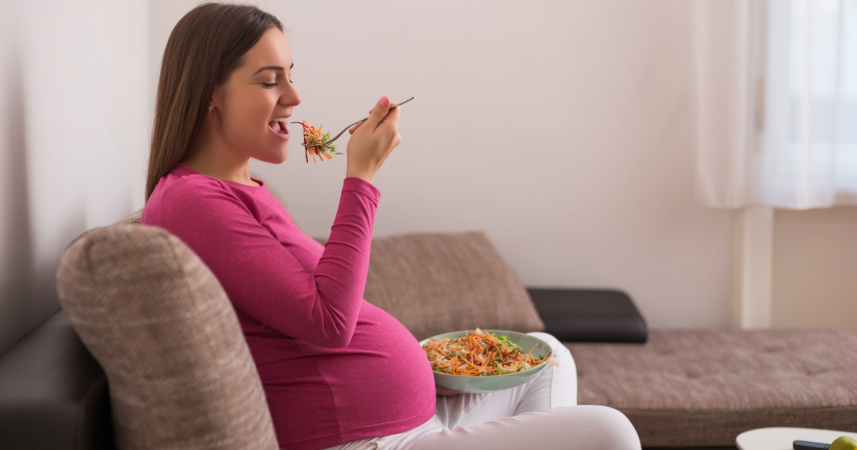
A well-planned vegan pregnancy is absolutely possible, but it requires intention, the right nutrients, and honest conversations with your healthcare team.
When I first went vegan at 35, pregnancy wasn't something I was actively planning. But I remember sitting across from my doctor during a routine checkup, mentioning my new diet, and watching her eyebrows rise just slightly.
"If you ever decide to get pregnant," she said carefully, "we'll need to talk about nutrition."
That moment stuck with me. Not because she was dismissive, but because she was right. Pregnancy demands more from our bodies than almost any other life stage.
And while a vegan diet can absolutely support a healthy pregnancy, it requires more than good intentions. It requires planning, awareness, and a willingness to have honest conversations with the people guiding your care.
The foundation: yes, it can be done well
Let's start with the reassuring truth. Major health organizations, including the Academy of Nutrition and Dietetics, have stated that well-planned vegan diets are appropriate for all stages of life, including pregnancy and lactation. The key phrase there is "well-planned."
This isn't about perfection. It's about understanding which nutrients need extra attention and being proactive rather than reactive. Most doctors aren't anti-vegan.
They're cautious because they've seen what happens when any diet, plant-based or otherwise, lacks essential building blocks during fetal development.
The nutrients that need your attention
Pregnancy increases your body's demand for specific nutrients, and some of these are trickier to get from plants alone.
Vitamin B12 is the big one. It's essential for your baby's brain and nervous system development, and it's not reliably found in plant foods. Supplementation isn't optional here. It's necessary.
Iron is another consideration. Plant-based iron is less easily absorbed than the kind found in animal products, so pregnant vegans often need higher intakes. Pairing iron-rich foods with vitamin C can help absorption, but your doctor may still recommend a supplement depending on your bloodwork.
Then there's omega-3 fatty acids, specifically DHA, which supports brain and eye development. Most people get DHA from fish, but algae-based supplements offer a vegan alternative.
Calcium, iodine, zinc, and choline also deserve attention. It sounds like a lot, and honestly, it is. But awareness is half the battle.
Working with your healthcare team
Here's where I want to get real with you. Some of us have had frustrating experiences with doctors who don't understand or support plant-based eating. I get it. But pregnancy is not the time to go it alone or to withhold information from your care providers.
Find a doctor or midwife who respects your dietary choices while also holding you accountable. Ask for regular bloodwork to monitor your B12, iron, and vitamin D levels. If your provider seems dismissive, advocate for yourself or seek a second opinion. A registered dietitian who specializes in plant-based nutrition can be an invaluable addition to your team.
What questions are you afraid to ask? Sometimes we avoid conversations because we're worried about judgment. But your baby's health, and your own, depends on transparency.
Supplementation: not a failure, a strategy
I used to think needing supplements meant my diet wasn't good enough.
That mindset shifted when I started viewing supplements as tools rather than crutches. During pregnancy, a prenatal vitamin formulated for vegans can fill gaps that even the most thoughtful meal plan might miss.
Look for prenatals that include B12, iron, DHA, iodine, and folate. The National Institutes of Health recommends that pregnant women get 2.6 micrograms of B12 daily, and many vegan prenatals are designed with this in mind. Don't guess. Read labels, ask questions, and work with your provider to find what's right for you.
Listening to your body's wisdom
Pregnancy changes everything, including your relationship with food. Cravings, aversions, nausea. Your body will communicate loudly, and sometimes those messages won't align with your usual eating patterns.
This is where self-compassion matters. If the thought of your favorite lentil soup makes you gag during the first trimester, that's okay.
Focus on what you can eat, stay hydrated, and trust that your appetite will likely stabilize. Some pregnant vegans find they need to eat more frequently or incorporate more calorie-dense foods like nut butters, avocados, and whole grains to meet their energy needs.
Are you giving yourself permission to adapt? Rigidity rarely serves us well, especially during a time of such profound physical change.
Final thoughts
A vegan pregnancy is not only possible but can be deeply nourishing for both you and your baby. The research supports it. The medical community increasingly acknowledges it.
But it requires you to show up with intention, to plan thoughtfully, and to partner with healthcare providers who take your choices seriously.
I never did become a mother, but I've watched friends navigate vegan pregnancies with grace and healthy outcomes. What made the difference wasn't luck. It was preparation, humility, and a willingness to ask for help.
If you're considering this path, know that you're not alone, and that with the right support, you can do this well.
If You Were a Healing Herb, Which Would You Be?
Each herb holds a unique kind of magic — soothing, awakening, grounding, or clarifying.
This 9-question quiz reveals the healing plant that mirrors your energy right now and what it says about your natural rhythm.
✨ Instant results. Deeply insightful.

Avery White
Formerly a financial analyst, Avery translates complex research into clear, informative narratives. Her evidence-based approach provides readers with reliable insights, presented with clarity and warmth. Outside of work, Avery enjoys trail running, gardening, and volunteering at local farmers’ markets.
More Articles by Avery