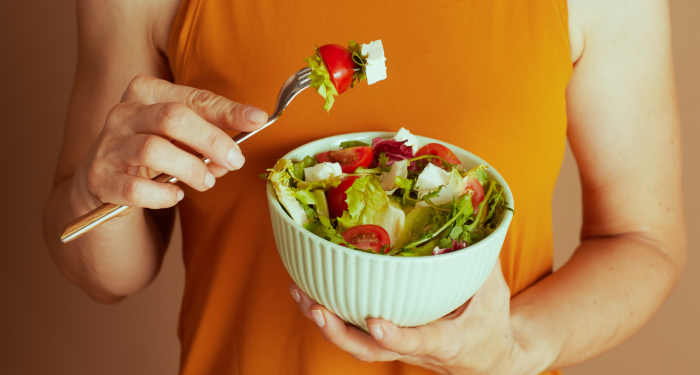
Budget constraints don't have to mean boring food or compromised nutrition, and my journey from spreadsheet-obsessed finance worker to resourceful home cook taught me exactly how to make every dollar count.
When I left my finance career at 36, I traded a comfortable salary for the uncertainty of freelance writing.
Suddenly, the woman who once analyzed million-dollar portfolios was scrutinizing grocery receipts with the same intensity. It was humbling, and honestly, a little terrifying.
But here's what I discovered in those lean months: eating well on a tight budget forced me to become a more creative, intentional cook. The constraints that felt limiting at first became a doorway to some of the most satisfying meals I've ever made.
If you're navigating financial stress right now, whether from job loss, student debt, or simply the relentless climb of living costs, I want you to know that nourishing yourself beautifully is still possible.
A plant-based diet, despite what some critics claim, can actually be one of the most economical ways to eat. Let me show you how.
The humble heroes of the pantry
Dried beans, lentils, rice, and oats became my financial lifeline. A one-pound bag of dried black beans costs around $1.50 and yields roughly six cups cooked. That's enough protein-rich base for multiple meals.
When I was tracking every expense, I calculated that a hearty bowl of beans and rice with sautéed onions and garlic came out to about 75 cents per serving.
The key is buying these staples dried rather than canned whenever possible. Yes, it requires more planning and cooking time.
But the cost difference is significant, and I found the slower pace of soaking beans overnight oddly meditative. It became a small ritual, a way of caring for my future self.
What might shift if you started thinking about meal prep as an act of self-compassion rather than a chore?
Seasonal produce changes everything
During my finance years, I bought whatever vegetables looked appealing without checking prices.
Post-career change, I learned to read the seasons. Cabbage in winter, zucchini in summer, sweet potatoes in fall. Seasonal produce isn't just cheaper; it tastes better because it hasn't traveled thousands of miles to reach your plate.
A head of cabbage often costs less than $2 and can stretch across multiple meals: stir-fried with garlic and soy sauce, shredded into tacos, braised with apples and onions, or fermented into kimchi.
Research from the USDA Economic Research Service confirms that certain vegetables like cabbage, carrots, and potatoes consistently rank among the most affordable per serving. Building meals around these workhorses keeps costs low without sacrificing nutrition.
The freezer is your financial ally
I used to view frozen vegetables as somehow inferior, a holdover from my childhood memories of mushy microwaved peas.
But frozen produce is often flash-frozen at peak ripeness, locking in nutrients that fresh vegetables lose during long transport and storage.
Studies published in the Journal of Food Composition and Analysis have found that frozen fruits and vegetables can be nutritionally comparable to, and sometimes better than, fresh options.
A bag of frozen spinach costs around $1.50 and adds iron and vitamins to pasta, soups, and smoothies. Frozen berries transform plain oatmeal into something that feels like a treat.
I keep my freezer stocked with these essentials, pulling from them when fresh produce runs low or when I need to stretch until the next paycheck.
Flavor doesn't require expensive ingredients
One of my biggest budget revelations was realizing how much flavor comes from technique rather than fancy ingredients.
A properly caramelized onion, cooked low and slow for 30 minutes, adds depth that rivals expensive additions. Toasting spices in a dry pan before adding them to dishes amplifies their impact.
I invested in a few foundational spices: cumin, smoked paprika, turmeric, garlic powder, and dried oregano. These cost a few dollars each but last for months. A simple pot of lentils becomes Ethiopian-inspired with berbere spices, Mexican-leaning with cumin and chili powder, or Indian-inflected with turmeric and garam masala.
The same inexpensive base ingredient transforms into entirely different meals depending on what's in your spice cabinet. How might expanding your spice collection open up new possibilities in your cooking?
Sample meals that prove the math
Let me walk you through a few meals I made regularly during my tightest budget months.
A big pot of vegetable soup with potatoes, carrots, celery, canned tomatoes, and white beans cost about $6 total and fed Marcus and me for four dinners. That's $1.50 per generous serving.
Peanut noodles with shredded cabbage and carrots came out to roughly $2.50 per serving. A batch of black bean tacos with homemade salsa and cabbage slaw ran about $2 per person.
These weren't deprivation meals. They were genuinely delicious, the kind of food I still make now even though our finances have stabilized.
Budget cooking taught me that satisfaction comes from eating food made with attention and care, not from expensive ingredients or elaborate preparations.
Final thoughts
Financial stress is real, and I won't pretend that eating well on a tight budget is effortless. It requires planning, creativity, and sometimes the energy to cook when you'd rather collapse on the couch.
But I've come to see budget cooking as a practice in resourcefulness and presence. Every meal made from simple, affordable ingredients is a small act of resistance against the idea that good food is only for those with money to spare.
You deserve to eat well, regardless of your bank balance. Start with dried beans, seasonal vegetables, and a few good spices. Build from there.
And remember that some of the world's most beloved cuisines emerged from communities cooking creatively with limited resources. You're in excellent company.