The meals I learned to cook when money was tight became the foundation of how I eat today, proving that constraint often teaches us more than abundance ever could.

Add VegOut to your Google News feed. 
When I left my finance career at 36, I traded a six-figure salary for a savings account that dwindled faster than I'd anticipated. I was newly vegan, freshly unemployed, and standing in the grocery store doing mental math on whether I could afford both the organic tofu and the bunch of kale.
Spoiler: I usually couldn't.
Those lean months taught me something unexpected. Cooking on a tight budget forced me to get creative, to understand ingredients at their most fundamental level, and to find deep satisfaction in simple food.
Now, years later, when I could technically afford to eat whatever I want, I keep returning to these seven meals. Not out of nostalgia, but because they're genuinely good. Sometimes the best lessons come wrapped in financial constraint.
1. The humble rice and beans bowl
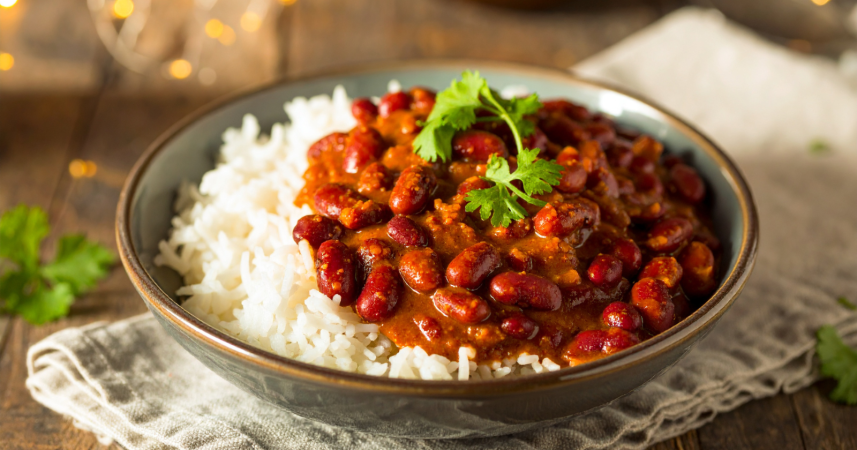
I know, I know. Rice and beans feels almost too obvious. But there's a reason this combination has sustained cultures across the globe for centuries. Together, they form a complete protein, and when you learn to season them properly, they become something you actually crave.
My version involves cooking dried black beans with a bay leaf, cumin, and a splash of apple cider vinegar at the end. I top it with whatever vegetables are on sale, a squeeze of lime, and hot sauce. The whole thing costs maybe two dollars per serving and keeps me full for hours.
What meals have you dismissed as "too simple" that might deserve a second look?
2. Chickpea curry that feeds you all week
During my broke phase, I discovered that a single can of chickpeas, a can of diced tomatoes, and some spices could become a curry that lasted four or five meals. I'd serve it over rice one night, stuff it in a wrap the next, and eat it straight from the container standing at my kitchen counter on day three.
The key is building flavor in layers. Sauté onion and garlic first, then bloom your spices in the oil before adding the tomatoes. A spoonful of peanut butter stirred in at the end adds richness without the cost of coconut milk. This meal taught me that "cheap" and "flavorful" aren't opposites.
3. Potato and vegetable sheet pan dinner
Potatoes were my financial lifeline. At roughly twenty cents per potato, they offered calories, potassium, and satisfaction that few other foods could match at that price point.
I'd cube them, toss them with whatever vegetables were marked down in the produce section, drizzle everything with a little oil, and roast it all on one pan.
Broccoli, carrots, onions, bell peppers that were slightly past their prime. Everything caramelizes together, and the cleanup is minimal. I still make this at least twice a month, usually on Sunday evenings when I want something nourishing without much effort.
4. Lentil soup with whatever's in the crisper
Lentils became my secret weapon. Unlike other dried legumes, they don't require soaking, and they cook in about 25 minutes. A bag of dried lentils cost less than two dollars and provided protein for an entire week.
My go-to soup starts with the classic mirepoix of onion, carrot, and celery, adds a cup of lentils, and then incorporates whatever vegetables are looking tired in my refrigerator.
A can of diced tomatoes, some vegetable broth, and generous seasoning. This soup taught me that "cleaning out the fridge" could be an act of creativity rather than desperation.
5. Peanut noodles that taste like takeout
I missed takeout terribly during those tight months. The convenience, the flavors, the feeling of treating myself. So I learned to make peanut noodles that scratched that itch for a fraction of the cost.
The sauce is just peanut butter, soy sauce, rice vinegar, a touch of maple syrup, and garlic. Toss it with whatever noodles are cheapest, add some shredded cabbage or frozen peas, and you have something that feels indulgent.
When I make this now, I sometimes add more vegetables or fancy it up with sesame seeds. But the base recipe remains exactly what I learned when I was counting every dollar.
6. Homemade hummus with vegetable scraps
Store-bought hummus seemed like a luxury when I was watching my budget. So I learned to make my own from dried chickpeas, which cost a fraction of the canned version. The texture is creamier, the flavor is fresher, and a batch lasts all week.
I'd pair it with whatever vegetables I could afford, often the "ugly" produce that grocery stores discount. Carrots with weird shapes taste exactly the same as pretty ones. This combination became my default lunch, and it still is.
Some habits formed from necessity become preferences that stick.
7. Oatmeal that's actually exciting
Breakfast was where I saved the most money. A giant canister of oats cost maybe three dollars and lasted weeks. But plain oatmeal gets boring fast, so I learned to make it interesting.
Savory oatmeal with sautéed greens and a drizzle of soy sauce. Sweet oatmeal with mashed banana and cinnamon. Overnight oats with whatever frozen fruit was on sale.
The variations are endless once you stop thinking of oatmeal as punishment food. I still eat oatmeal most mornings, not because I have to, but because I genuinely look forward to it.
Final thoughts
Looking back, my "broke vegan phase" was actually a masterclass in mindful eating. I learned to appreciate ingredients for what they are, to find creativity within constraints, and to measure the value of a meal by more than its price tag.
These seven meals aren't just budget-friendly. They're nourishing, satisfying, and grounding in a way that fancier food often isn't. They remind me that abundance isn't about having unlimited options. It's about knowing what truly sustains you and returning to it again and again.
What meals from your own leaner times have become permanent fixtures in your kitchen? Sometimes our best recipes come from our hardest seasons.