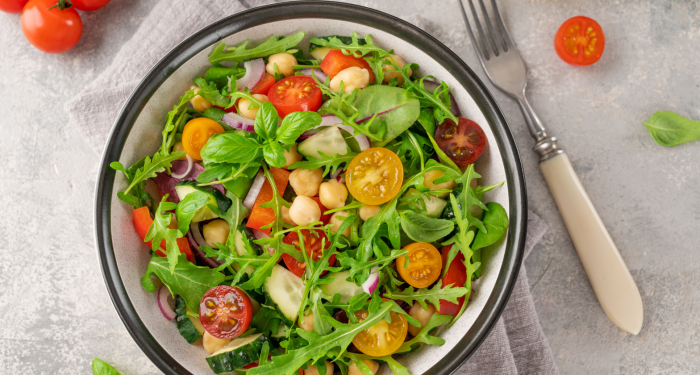
Stop apologizing for meatless meals. These seven techniques from fine-dining kitchens will make your vegan cooking genuinely crave-worthy and satisfying.
I'll be honest with you: I spent over a decade cooking in fine-dining restaurants where meat was the star of almost every plate.
Perfectly seared steaks. Slow-braised short ribs. Duck confit that fell off the bone. I learned to coax maximum flavor from animal proteins, to respect the ingredients, to make them shine.
But here's what I also learned: the techniques that made those dishes incredible had nothing to do with the meat itself. They were about building flavor, creating texture, understanding how taste works on a fundamental level.
These same principles apply to plant-based cooking. In fact, they might be even more important when you're working without meat, because you need to be more intentional about creating that sense of satisfaction and depth.
Since transitioning away from restaurant work and spending time in Bangkok, where I ate incredible plant-forward street food daily, I've realized something. The best plant-based meals don't try to hide what they are. They use smart technique to create something compelling on its own terms.
So if you're looking to make vegan meals that satisfy even the most dedicated meat-eaters at your table, here's what actually works.
1) Master the art of umami layering
Ever notice how the most satisfying dishes have that deep, savory quality that makes you want another bite? That's umami at work.
During my fine-dining days, I learned that building layers of umami was the secret to making any dish taste richer and more complex. We'd reduce stocks for hours, add aged parmesan, use fermented ingredients. The goal was always depth.
The same principle works with plant-based cooking, and honestly, it might work even better.
Mushrooms are the obvious starting point. Dried shiitakes, porcini, or even cremini all contain natural glutamates that trigger that meaty, satisfying sensation on your tongue. But don't stop there.
Nutritional yeast adds a cheesy, almost brothy depth. Miso paste brings fermented complexity. Soy sauce or tamari contributes saltiness and savoriness. Tomato paste, when caramelized, develops incredible umami notes.
When I'm developing plant-forward menus now, I'll often combine three or four of these ingredients in a single dish. The result? Something that tastes way more substantial than the sum of its parts.
Try this: sauté mushrooms until deeply browned, deglaze with soy sauce, add a spoonful of miso and tomato paste, then use that as a base for anything from pasta sauce to taco filling. People will swear there's meat in there.
2) Texture is everything
Here's what I noticed working with ultra-wealthy clients who were experimenting with plant-based eating: they didn't miss the flavor of meat as much as they missed the texture.
That chew. That bite. That substantial feeling in your mouth.
Most home cooks overlook this completely. They'll nail the seasoning but serve something mushy or one-dimensional, and it immediately reads as "trying to be something it's not."
The trick is creating textural contrast within the dish itself.
Crispy exteriors with tender interiors work wonders. Pan-fry your tofu or tempeh until it's genuinely crispy, not just lightly browned. Roast chickpeas until they're crunchy. Sear mushrooms hard in a hot pan without crowding them.
For plant-based dishes, add elements like toasted nuts, crispy onions, or even crumbled tortilla chips as a finishing touch. It tricks your brain into experiencing more complexity, which makes the whole thing feel more substantial and satisfying.
The goal isn't to perfectly mimic meat's texture. It's to create something compelling enough that people stop comparing it to meat at all.
3) Don't shy away from fat
One of the biggest mistakes I see in plant-based cooking is making everything too lean.
People assume that because there's no animal fat, the dish should be light and virtuous. But that's not how flavor works, and it's definitely not how satisfaction works.
Fat carries flavor. It creates richness. It makes food feel indulgent rather than like something you're eating because you're supposed to.
During my training under seasoned chefs in New York, we used butter and cream liberally. Not recklessly, but purposefully. Every element was considered. The same principle applies to plant-based cooking, you just swap the fats.
Coconut milk adds creaminess to curries and soups. Tahini brings body to dressings and sauces. A good olive oil, used generously, transforms roasted vegetables from boring to crave-worthy. Cashew cream can replicate that luscious mouthfeel you'd normally get from dairy.
And here's something most people don't realize: fat makes you feel full. When plant-based meals leave people hungry an hour later, it's often because there wasn't enough fat to signal satiety to your brain.
I'm not suggesting you drench everything in oil. But stop being stingy with it. A proper amount of fat makes plant-based food taste like food, not like a health experiment.
4) Char and caramelize religiously
If there's one technique that elevates plant-based cooking from acceptable to exceptional, it's this.
High heat. Deep browning. Actual char in some spots.
Most home cooks are too gentle with vegetables. They'll steam them or barely sauté them, and everything ends up tasting flat and forgettable. Then they wonder why their plant-based meals don't satisfy.
When you properly char vegetables or plant proteins, you're creating new flavors through the Maillard reaction. That's the chemical process that happens when proteins and sugars are exposed to high heat. It's what makes grilled steak taste like grilled steak, and it's what will make your cauliflower or eggplant taste exponentially better.
At the luxury resorts where I worked, we'd finish almost everything under the broiler or with a blowtorch. That little bit of char added a smoky, complex note that made dishes memorable.
At home, crank your oven to 450°F or higher for roasting. Let your pan get screaming hot before adding vegetables. Don't move things around constantly, let them sit and develop that golden-brown crust.
Eggplant, cauliflower, Brussels sprouts, even tofu all transform when you char them properly. They develop a depth that mimics the complexity you'd get from cooking meat.
The difference between a mediocre plant-based meal and one that makes people ask for the recipe often comes down to this single technique.
5) Season aggressively and in stages
Under-seasoned food will never fool anyone into thinking it's substantial or satisfying, regardless of what you're cooking with. But somehow, when people cook plant-based meals, they become timid with salt and spices.
In professional kitchens, we season at every stage of cooking. Salt the vegetables before roasting them. Season the aromatics while they're sweating. Taste and adjust the sauce multiple times. Add a finishing sprinkle of flaky salt at the end.
This layered approach to seasoning creates complexity that reads as richness to your palate.
And don't just rely on salt. Smoked paprika adds a barbecue-like quality. Cumin brings earthiness. A tiny bit of liquid smoke goes a long way in mimicking that grilled flavor. Black pepper, used generously, adds bite and depth.
I also learned from Thai cooking to balance flavors properly: salty, sweet, sour, spicy, and bitter should all be present in some form. When plant-based dishes fall flat, it's often because they're one-dimensional.
A squeeze of lime at the end brightens everything. A pinch of sugar balances acidity. A dash of soy sauce adds depth. These small adjustments make a massive difference.
The key is tasting constantly while you cook and not being afraid to push the seasoning further than feels comfortable. Underseasoning is playing it safe, and safe cooking rarely impresses anyone.
6) Use smoke and fire whenever possible
Want to know what makes steakhouse food so craveable? It's not just the meat itself. It's the smoke, the char, the primal element of fire.
You can harness that same appeal in plant-based cooking.
Grilling vegetables transforms them completely. The smoke penetrates the food and adds a layer of flavor that's impossible to achieve through any other method. Zucchini, peppers, onions, portobello mushrooms—all become exponentially more interesting when they've spent time over actual flames.
If you don't have a grill, a cast-iron pan on high heat can create similar effects. Let it get hot enough that it's almost smoking, then add your vegetables or plant proteins without crowding the pan. You want them to sear, not steam.
Smoked ingredients are also your friend here. Smoked paprika, smoked salt, chipotle peppers, liquid smoke (used sparingly). These add that campfire quality that makes food feel more primal and substantial.
7) Present it like you mean it
Finally, this might sound superficial, but presentation matters more than you think.
People eat with their eyes first. If something looks abundant, colorful, and thoughtfully composed, they approach it differently. They expect it to satisfy.
This doesn't mean you need to create elaborate restaurant plating at home. But consider contrast in colors and heights. Add fresh herbs as a finishing touch. Use a nice dish instead of eating straight from the pot. Create visual abundance rather than minimalist portions.
When you're serving plant-based food, avoid apologizing for it or presenting it as "the healthy option." Serve it confidently, with the same care you'd give to any other meal you're proud of.
Garnish matter. A drizzle of good olive oil, a sprinkle of flaky salt, some microgreens or fresh herbs, these small touches make food look and feel more luxurious. They signal abundance rather than deprivation.
The bottom line
None of these techniques require expensive ingredients or professional equipment. They're all about approach and attention to detail.
The same principles that make high-end restaurant food compelling, layered flavors, proper technique, intentional presentation, apply just as well to plant-based cooking at home.
I've watched skeptical dinner guests become genuinely surprised when they realize halfway through a meal that there's no meat on their plate. Not because I tricked them, but because the food satisfied them in the way they expected to be satisfied.
That's the real goal here. Not to create perfect imitations of meat, but to make plant-based meals compelling enough that the absence of meat becomes irrelevant.
Start with one or two of these techniques and build from there. Pay attention to what works for your palate and cooking style. The goal is food that satisfies, nourishes, and makes people excited to eat, regardless of what is or isn't on the plate.