I love coffee enough to border on fussy. I weigh beans, time shots, and yes—water chemistry matters. But I also wanted my morning ritual to align with my values: more plant-based, less environmental guilt, and zero flavor compromise.
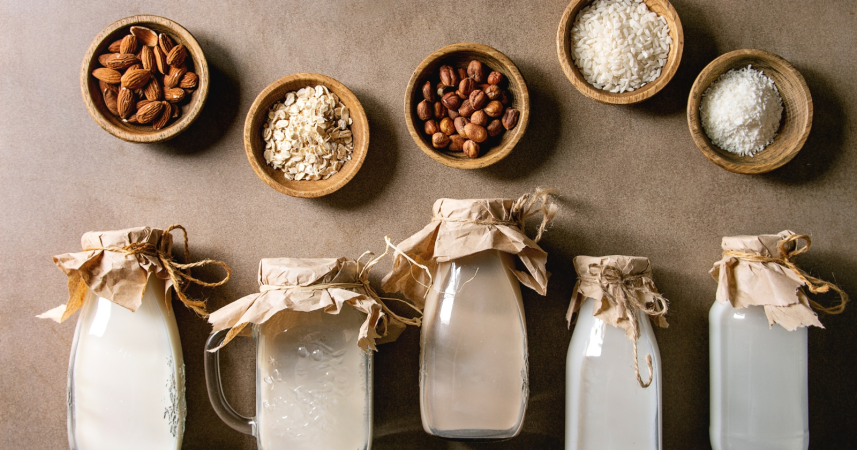
So for 30 days I ditched dairy and rotated oat, soy, almond, and coconut through everything: straight espresso cortados, cappuccinos, flat whites, Americanos with a splash, drip, and iced.
I kept beans, grind, and brew methods constant so the milk was the variable, and I used both standard and “barista” cartons. I judged each on flavor harmony, body, foam, heat/acid stability, and practicality.
Two technique rules saved a lot of cups: keep steaming between 55–60°C (130–140°F) and, with bright shots, pour espresso into milk—not the other way around.
Week 1 — Oat milk: effortless in lattes, charming in drip, touchy with bright espresso
Oat is the diplomat. In flat whites and cappuccinos, barista cartons built convincing microfoam and delivered that glossy, paint-like pour.
In drip, a small splash added body and mellowed bitterness without turning the cup into cereal milk.
Where it stumbled was with very light, high-acid espresso: standard oat sometimes micro-split, more a sandy look than a full curdle.
Warming gently and lowering shot temp helped, as did switching to a barista blend with acidity regulators.
If you like quietly sweet, balanced milk drinks, oat is an easy weekday default.
Week 2 — Soy milk: most “latte-like” texture if you respect the temperature
Soy won the texture contest.
Its higher protein created sturdy microfoam that held latte art and stood up to darker espresso without swallowing the coffee.
The tradeoff is curdling risk if you overheat it or splash it into a very acidic shot.
Keeping soy at 55–60°C and adding the espresso slowly into the soy prevented most splits.
When I nailed the temp, soy produced the most café-like cappuccinos of the month.
Week 3 — Almond milk: better iced than hot
Unsweetened almond was a star in iced coffee and cold brew, where the subtle toasted note complimented chocolatey beans and never separated over melting ice.
As a tiny splash in hot drip, it softened edges without changing the cup’s identity. In steam-heavy drinks, though, almond felt thin and the foam was short-lived even with barista versions.
If your routine is mostly iced or drip, almond keeps things light and budget-friendly; for plush hot lattes, look elsewhere.
Week 4 — Coconut milk: luxurious mouthfeel, headline flavor
Coconut brings silk. In mochas and flavored lattes, the creamy texture creates a dessert-level mouthfeel with less syrup.
Iced, it stays smooth and satisfying. Straight coconut flavor, however, sits front-row and can overwhelm delicate coffees; blended barista cartons (often coconut-oat or coconut-rice) foam better and taste more neutral.
Keep the temp conservative to avoid separation, and pair it with robust espresso or chocolate-leaning beans.
Head-to-head winners (by drink and situation)
-
Best overall for home lattes: Soy (barista) — most reliable microfoam and true café texture.
-
Best for flat whites & balanced everyday cups: Oat (barista) — creamy, slightly sweet, low-drama.
-
Best for iced coffee & cold brew: Almond (unsweetened) — keeps things crisp, doesn’t separate in the cold.
-
Best for mochas and flavored drinks: Coconut or coconut-oat blends — luxurious mouthfeel without extra syrup.
-
Most “coffee-forward” splash in drip/Americano: Tie — Oat for body, Almond for a cleaner lift.
-
Most budget-friendly, widely available: Almond typically wins on price; oat is close in many markets.
What the label won’t tell you (but your cup will)
“Barista” matters because those cartons include minerals and emulsifiers that stabilize foam and resist espresso’s acidity — they’re not villains, they’re why your latte doesn’t break.
Protein predicts foam (soy shines), while barista oat mimics that effect.
Overheating is the fastest route to chalky texture or curdling, so stop steaming when the pitcher is hot but still touchable. And pour order is a surprisingly big deal: with brighter shots, espresso into milk is gentler than milk into espresso.
Cost and availability (a practical snapshot)
Across a month of receipts, almond was usually cheapest per liter, oat close behind, soy similar in price but more variable, and coconut or coconut blends the priciest.
Barista versions cost a bit more but saved money by reducing throwaway cups.
Availability favored oat and almond in most supermarkets; soy was easy to find; coconut blends were hit-or-miss outside larger stores.
If you’re watching costs, a two-milk strategy worked well: a standard carton for drip/iced and a barista carton for espresso days.
My final routine (post-experiment)
Weekdays, I reach for an oat-barista flat white because it behaves and tastes balanced without extra fuss.
When I want café-style foam or to practice art, I switch to barista soy and keep a close eye on the temperature.
Unsweetened almond is my iced-coffee habit for clean, refreshing afternoons. For dessert-leaning drinks, a coconut blend turns a mocha into an at-home treat with almost no syrup.
Once my technique was consistent, none of these felt like “substitutes”—they felt like choices.
So, before you leave, here's what I wish I’d known on day one
-
Buy one barista carton to start — your success rate jumps while you learn temperatures and pour order.
-
If a milk breaks, don’t panic — drop the steaming temp, pour espresso into milk, and try again with a barista version for brighter shots.