I used to ignore nutritional yeast—until one road trip showed me it could boost my B‑12, protein, and flavor, all while saving money and waste.
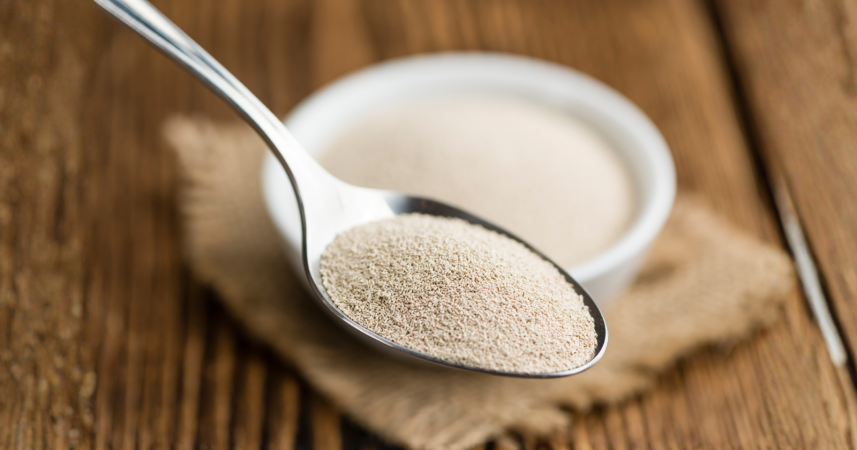
I used to walk right past the bright‑yellow tins of nutritional yeast at my local co‑op, dismissing them as overpriced flakes for hardcore vegans.
My pantry already overflowed with lentils, tofu, and chia seeds — what possible magic could come from something that looked like fish‑food and smelled faintly of cheddar?
It took a cross‑country road trip in a converted Sprinter van to change my mind.
Fuel stops were infrequent, refrigeration was limited, and cooking space was narrower than my yoga mat.
When a seasoned road‑warrior handed me a spice jar labelled “nooch” and said, “Two tablespoons of this turns plain rice into a complete meal,” I finally listened.
The next morning, a sprinkle transformed my oatmeal into something savory, creamy, and strangely energizing. Weeks later, my bloodwork showed stronger B‑12 numbers than I’d logged in years.
That moment sent me digging into studies, market reports, and environmental data that revealed nutritional yeast as a sleeper superstar — one that’s quietly reshaping how plant‑based eaters hit protein and micronutrient targets in 2025 and beyond.
From pantry pariah to daily staple: my four‑week nooch immersion
When I committed to a full month of daily nutritional yeast use, skepticism lingered.
I swapped my usual flax‑and‑berry breakfast for savory oats fortified with three heaping teaspoons of the flakes. Lunch became chopped salads dusted with nooch instead of Parmesan, and dinners featured creamy sauces blitzed from soaked cashews, roasted red peppers, and a quarter‑cup of the golden powder.
By the end of week one, the metallic taste that sometimes followed my sublingual B‑12 tablets had vanished because I stopped taking the pills altogether — a choice inspired by a 2025 review highlighting yeast‑derived cobalamin’s comparable bioavailability to synthetic supplements.
Week two delivered an unexpected benefit: steadier mid‑afternoon energy, likely due to the powder’s complete amino‑acid profile and natural glutathione content.
Week three’s grocery bill told its own story — I spent eleven dollars less on plant‑based cheese shreds because nooch satisfied my craving for umami.
By week four, I was texting friends recipe hacks like “add two tablespoons to pancake batter for a diner‑style crust.”
What began as a novelty had integrated so seamlessly that I couldn’t imagine cooking without it.
Headlines and hype: why 2025 is the tipping point for nutritional yeast
Nutritional yeast’s press coverage used to be relegated to vegan forums, but mainstream outlets now treat it like the next oat milk.
In March 2025, Goldie’s Superfoods announced an organic, high‑protein formulation that sold out its initial run in forty‑eight hours.
Future Market Insights went a step further, projecting global sales will surge past 990 million dollars this year, climbing at a compound annual growth rate north of thirteen percent through 2035.
The meteoric rise isn’t just a North American fad; European café chains have started pairing nooch‑topped avocado toast with their signature flat whites, citing consumer demand for natural B‑vitamin sources.
Nutrition conferences buzz about the ingredient’s role in closing vegan micronutrient gaps, while investors pour capital into fermentation start‑ups refining strain‑specific flavor profiles.
Policy is following commerce: several U.S. states are drafting guidelines to allow school lunch programs to use fortified nutritional yeast as an affordable B‑12 alternative to dairy milk.
Watching this momentum, I realized my conversion story mirrored a larger cultural shift—one where a humble by‑product of molasses fermentation is stepping onto the global nutrition stage.
Micro‑nutrients with macro impact: what the science says
Strip away the hype and nutritional yeast’s value still stands tall.
Two rounded tablespoons supply up to eight grams of complete protein—meaning all nine essential amino acids — plus roughly 150% of an adult’s reference intake for vitamin B‑12 in its methylcobalamin and adenosylcobalamin forms.
That single scoop also delivers iron, zinc, selenium, and a cargo of beta‑glucans, the soluble fibers credited with modulating immune response.
A placebo‑controlled trial spanning twenty‑six weeks found participants ingesting yeast‑derived beta‑glucans had significantly fewer common‑cold episodes than the control group.
More recent laboratory studies explore yeast beta‑glucans’ potential to prime gut‑immune crosstalk and even enhance vaccine efficacy.
Critics sometimes note that B‑12 levels vary between brands, yet fortification standards in the U.S. and EU now require minimum microgram thresholds per serving, ensuring consistency.
For me, the hard numbers reframed nooch from seasoning to supplement replacement: why swallow gelatin‑encased pills when a spoonful of nutty flakes checks the same nutritional boxes and tastes better on popcorn?
Planet points and pocket perks: environmental and economic dimensions
Beyond personal health, nutritional yeast offers an enviable sustainability scorecard. A verified life‑cycle assessment published on ClimateHub pegs its cradle‑to‑factory carbon footprint at 3.34 kilograms of CO₂ equivalents per kilogram — less than half that of cheddar cheese and far below beef’s climate toll.
Because yeast is cultivated in vertical fermenters, it occupies a fraction of the land used by soy or almond farming and requires comparatively modest water inputs.
Those efficiencies translate to savings that brands increasingly pass on: price per protein gram has dropped twelve percent since 2021, according to retail‑scanner data, making nooch competitive with whey isolate.
Goldie’s organic launch, priced at four‑ninety‑nine for a four‑ounce tin, signaled a new affordability threshold for premium formulations. Such economics matter when you’re budgeting for weekly groceries: my shift from pre‑shredded vegan cheese to unfortified flakes shaved nearly two hundred dollars off my annual food spend.
Meanwhile, closed‑loop fermentation systems capture and reuse feedstock, reducing nutrient runoff—a quiet win for waterways choked by agricultural pollution.
Every time I sprinkle yeast flakes over roasted broccoli, I’m reminded that the flavor punch also carries a lighter planetary footprint and a friendlier price tag.
Conclusion
Ignorance isn’t always bliss — sometimes it’s just expensive and environmentally costly.
I spent years side‑eyeing nutritional yeast, convinced my well‑planned vegan diet had everything covered.
One serendipitous encounter proved me wrong, and what followed was not simply a new pantry item but a holistic upgrade: improved lab markers, reduced supplement clutter, lower grocery bills, and the satisfying knowledge that my meals leave a gentler mark on the Earth.
The 2025 marketplace validates my personal findings, with booming sales, regulatory nods, and an expanding lineup of products from shake‑on seasoning blends to fortified plant milks.
Of course, no single ingredient is a panacea; bioavailability differences and brand variability still warrant label‑reading and occasional blood tests.
Yet the bigger picture is clear: nutritional yeast exemplifies how innovation and tradition can intersect—using century‑old fermentation techniques to solve twenty‑first‑century nutritional and environmental challenges.
If you, like me, have walked past those golden flakes without a second glance, consider giving nooch a fair audition. Your taste buds, budget, and B‑12 levels may all write you a thank‑you note.
If You Were a Healing Herb, Which Would You Be?
Each herb holds a unique kind of magic — soothing, awakening, grounding, or clarifying.
This 9-question quiz reveals the healing plant that mirrors your energy right now and what it says about your natural rhythm.
✨ Instant results. Deeply insightful.