If you’re new to wine tastings, don’t worry—you’re not alone in making these mistakes.

Add VegOut to your Google News feed. 
A few months ago, I was chatting with a friend who works in the wine industry. She’s spent years training as a sommelier and has hosted more tastings than she can count.
Somewhere between her stories of elegant pours and nervous first-time guests, I admitted that I’ve been getting more and more into wine over the past few years—and yes, I’ve definitely made some of the mistakes she finds painfully awkward to watch.
She laughed (kindly) and reassured me that almost everyone does when they’re starting out. But she also explained how certain habits can make you stick out in ways you probably don’t want to.
If you’ve ever been to a wine tasting and wondered whether you were doing it “right,” this one’s for you. Here are five things amateurs often do that make seasoned sommeliers cringe—and how you can avoid them.
1. Pretending to know more than you do
We’ve all been there: standing in front of a wine you’ve never heard of, feeling pressure to say something that sounds smart. Some people fake their way through, tossing out words like “oaky” or “full-bodied” whether or not it makes sense.
The truth? Pretending to know more than you do doesn’t impress anyone. Sommeliers can usually tell immediately. They’d much rather hear genuine curiosity than forced jargon.
Showing that you’re open to learning signals respect for the process—and it makes the whole experience more enjoyable.
Instead of guessing or bluffing, ask questions. “What makes this varietal different from others?” or “What should I notice in this glass?” Sommeliers live for these moments.
2. Drinking too quickly
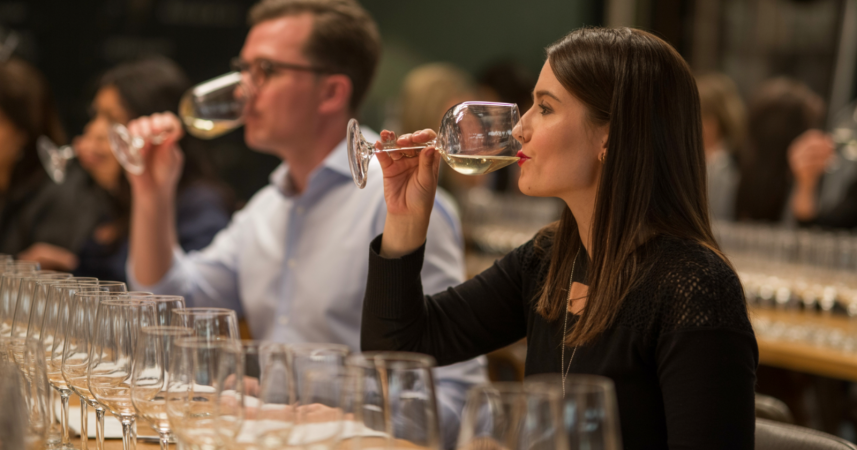
Wine tastings are about savoring, not speed. And yet, lots of newcomers knock back their samples like they’re at a bar on a Friday night.
I’ll admit it—I did this my first few tastings. I didn’t realize how much I was missing by not slowing down. Each sip is designed to be explored: the color, the aroma, the taste as it moves across your palate. When you rush, you flatten the entire experience.
Professionals expect you to swirl, smell, and sip slowly. It’s not about being pretentious—it’s about giving yourself the chance to actually notice what’s in the glass.
Next time you’re tasting, remember: it’s not a race. Take a breath, pause between sips, and let the wine linger a little longer.
3. Overpowering the aroma with perfume or cologne
This one surprised me when my friend mentioned it—but it makes perfect sense. Wearing strong perfume, cologne, or even heavily scented lotion to a tasting can ruin not just your experience, but the experience of everyone around you.
Smell is a huge part of tasting wine. In fact, experts estimate that up to 80% of what we perceive as “flavor” comes from aroma. If your fragrance takes over the room, no one can properly appreciate what’s in the glass.
If you want to respect the process—and the people around you—go fragrance-free on tasting days.
4. Treating the pour like a full drink
A standard tasting pour is about an ounce or two—just enough to explore the wine’s character. But some beginners assume that tiny glass is simply a prelude to more, and they act disappointed (or even ask for extra) when the pour doesn’t fill the glass.
Here’s the thing: it’s supposed to be small. The point is to taste several wines without overindulging. Sommeliers aren’t trying to short-change you—they’re giving you exactly what you need to evaluate.
When I learned this, it changed how I approached tastings. I stopped thinking of each pour as “just a sip” and started treating it as an opportunity to pay attention. That small amount suddenly felt like more than enough.
If you find yourself disappointed by the pour, shift your mindset. Focus less on quantity and more on quality.
5. Forgetting that spitting is perfectly acceptable
This one makes a lot of newcomers uncomfortable. They feel rude spitting out wine—or they’re afraid it signals they don’t like it. But in the world of tastings, spitting is normal.
Professional tasters do it constantly, especially when they’re sampling dozens of wines in a day. It helps them stay clear-headed and focused. Sommeliers don’t see it as disrespectful; they see it as practical.
I used to feel awkward about this, too. But the first time I tried it, I realized it made me appreciate the later wines much more. Without the blur of alcohol building up, I could actually taste with more attention.
If you’re at a tasting, look for the spit buckets. Use them. It doesn’t make you unrefined—it shows you’re taking the experience seriously.
Final thoughts
If you’re new to wine tastings, don’t worry—you’re not alone in making these mistakes. I’ve made a few myself, and I can tell you that sommeliers don’t expect perfection. What they do appreciate is curiosity, respect, and a willingness to learn.
The next time you attend a tasting, remember: it’s less about impressing others and more about opening yourself to the experience. Slow down, ask questions, skip the perfume, and don’t be afraid to spit.
Wine is meant to be enjoyed, not performed. And when you approach tastings with that mindset, you’ll find yourself not just drinking wine, but actually experiencing it.