From splitting the bill to sending food back, these 8 once-awkward restaurant moments show just how far your social skills have come.
Dining out isn’t just about food—it’s a social performance.
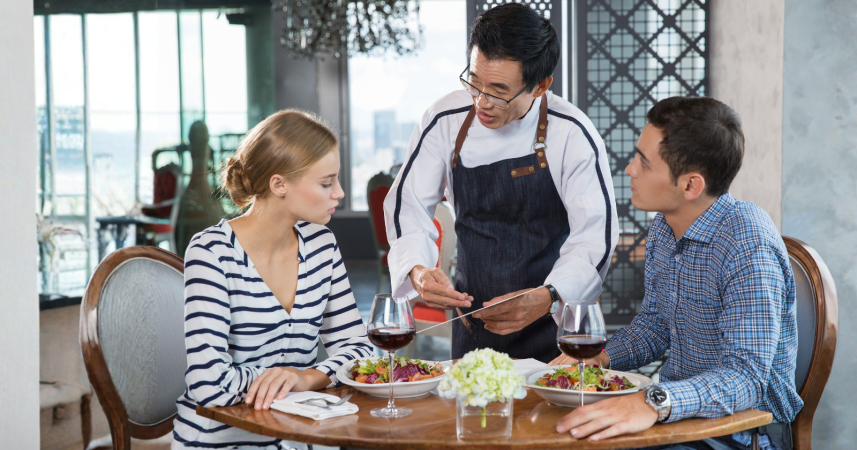
The clink of glasses, the background chatter, the waiter standing beside your table waiting for your order… all of it can be a test of your social confidence.
If you’ve ever felt your palms sweat over something as simple as sending back an undercooked steak, you know what I mean.
But here’s the thing: the more socially skilled you become, the less these awkward little restaurant situations trip you up.
So let’s break down eight moments that used to feel cringeworthy but now roll off your back once you’ve got your social game in check.
1) Ordering with modifications
You’ve probably been there: the menu looks great, but you want the pasta without cheese, the dressing on the side, and the fish grilled instead of fried.
For years, I used to cringe while asking for adjustments, as if I was ruining the chef’s art or bothering the server.
But here’s the reality—hospitality is built on making guests comfortable. I learned this working in fine dining: guests who politely asked for what they wanted weren’t seen as annoying.
They were seen as confident. The annoying ones were the people who didn’t speak up and then complained later.
Being able to clearly and kindly ask for exactly what you want—without guilt—shows you value yourself.
Socially skilled people know they’re not being difficult; they’re just communicating.
2) Sending food back
This one used to paralyze me. The wrong dish arrives, or the chicken is undercooked, and suddenly you’re at a crossroads: eat it in silence or risk being “that person.”
What changed for me was realizing that mistakes happen, even in the best kitchens. A good restaurant wants to know when something’s wrong so they can fix it.
Think about it: would you rather eat food you don’t like or politely let them correct it?
The socially skilled version of you doesn’t get flustered here. You smile, explain the problem without drama, and let them make it right. It’s not confrontation—it’s collaboration.
3) Splitting the bill
Ah, the bill arrives. Do we split evenly? Does everyone pay for what they ordered? Suddenly, dinner with friends feels like a math test.
If you’re socially awkward, this moment can feel like a minefield.
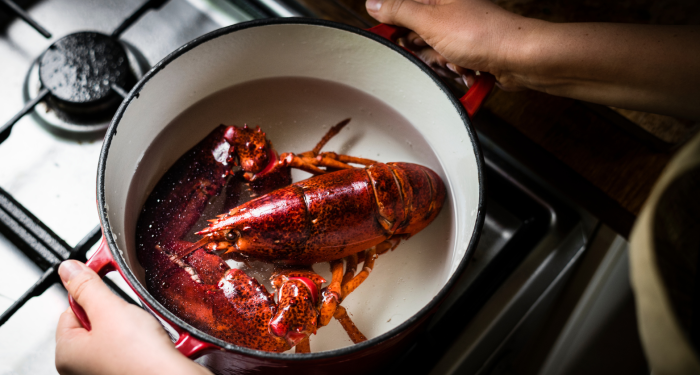
You don’t want to look cheap, but you also don’t want to subsidize your friend’s $70 lobster when you ordered soup.
These days, I just address it directly. “Do you guys want to split this evenly or itemize?” Simple, confident, no hesitation.
Most people are relieved someone said something.
Being able to handle money talk at the table without weirdness is a real marker of social skill.
4) Talking to the sommelier
If you’ve ever been handed the wine list and panicked because you didn’t know the difference between a Syrah and a Shiraz, you’re not alone.
I worked with sommeliers for years, and I can tell you: they don’t expect you to be an expert.
Social skill here is about curiosity, not performance. Instead of pretending to know everything, I just say something like, “I’m looking for a medium-bodied red to go with this steak.
What would you recommend?” It shows true confidence without ego.
People who can navigate these conversations smoothly tend to be the same people who can ask smart questions in business meetings or when networking.
It’s the same muscle—being comfortable not knowing everything and still engaging fully.
5) Eating something unfamiliar
Ever stared at a plate and thought, What the hell is this? Maybe it’s escargot, maybe it’s a raw oyster, maybe it’s some funky-smelling fermented dish.
In my 20s, I traveled a lot and ate things that completely freaked me out at first. What I realized is that the socially skilled don’t make a big scene about it.
They either try it with curiosity or politely pass without judgment.
The difference is subtle but powerful.
Saying “That looks disgusting” can make the table uncomfortable. Saying “I’m not sure it’s for me, but I love that you ordered it” keeps the vibe positive.
6) Being seated in a less-than-ideal spot
The hostess leads you to a table right by the bathroom.
Or you’re squeezed into a wobbly table in the corner. In the past, I would’ve just sat there fuming quietly, not wanting to be “difficult.”
Now? I just smile and say, “Would it be possible to sit somewhere else?” Nine times out of ten, they accommodate. If they can’t, no big deal.
The socially skilled know that speaking up isn’t the same as being rude.
It’s about balancing your needs with respect for the staff. You don’t sulk, you don’t snap—you ask.
7) The long wait for service
We’ve all been there: your glass has been empty for 20 minutes, and the server is nowhere in sight.
Old me would’ve sat there stewing, making passive-aggressive comments to whoever I was with.
Now I just catch someone’s eye and politely ask for what I need.
No sighing, no “Excuse me, we’ve been waiting forever.” Just a calm, “Could we get another round when you have a moment?”
Socially skilled people don’t let small inconveniences ruin the vibe. They handle them quickly, directly, and without attitude.
8) Handling the tip
Finally, the tip. It’s incredible how awkward people can get about this. Do you calculate down to the cent? Do you round up? Do you add extra if the service was amazing?
Here’s my rule: I don’t overthink it. I tip generously when the service deserves it and fairly when it doesn’t.
If I’m with friends who tip differently, I don’t make it weird—I just tip what I feel good about.
Social skills here aren’t about the percentage on the bill. It’s about handling money matters with confidence and without judgment.
And when I read The Psychology of Money by Morgan Housel, one thing stuck with me: money is emotional. How we spend, share, or tip reveals a lot about us.
Being socially skilled means you can navigate those emotions—yours and others’—without letting them derail the evening.
The bottom line
Awkward restaurant moments are a great mirror for our social skills.
If you can handle them with ease, chances are you’ve built confidence, self-respect, and empathy along the way.
And that’s the thing—these aren’t really about food. They’re about communication, boundaries, and knowing how to hold yourself in social spaces.
The next time you’re out to eat, notice how you respond when one of these situations pops up. Do you freeze, fumble, or flow right through it?
Because once you reach the point where these moments don’t faze you anymore, you’re not just socially skilled—you’re socially free.
If You Were a Healing Herb, Which Would You Be?
Each herb holds a unique kind of magic — soothing, awakening, grounding, or clarifying.
This 9-question quiz reveals the healing plant that mirrors your energy right now and what it says about your natural rhythm.
✨ Instant results. Deeply insightful.