From biscuits and gravy to sugary cereals, these six classic breakfasts bring back memories for those over 70 — even if today’s nutritionists don’t approve.
Breakfast has always been called the most important meal of the day.
For those over 70, mornings growing up looked very different from what we see now.
Before there were trendy smoothie bowls, protein-packed yogurts, and plant-based breakfast sandwiches, there were simpler, heavier meals designed to keep families full through long days of work and school.
Many of these breakfasts were made with love and resourcefulness, often using ingredients that were affordable and readily available.
They weren’t concerned with calories, cholesterol, or sugar content — the focus was on taste, comfort, and energy.
But as nutritional science has evolved, some of these classic morning staples have been reclassified as indulgences rather than everyday fare.
Here are six breakfasts that almost every person over 70 remembers enjoying, but which modern health experts tend to view with caution.
1. Biscuits and sausage gravy
Few things say comfort quite like a plate of warm, fluffy biscuits smothered in creamy sausage gravy.
For many over-70s, this was a Sunday morning ritual or a special treat when company came over.
The dish was born out of frugality — using inexpensive ingredients like flour, milk, and leftover sausage drippings to create a filling meal for large families.
Boomers and their parents relied on it for hearty sustenance before long days of work or church activities.
Today, though, nutritionists often caution against it due to its high levels of saturated fat, sodium, and refined carbs.
While delicious, it’s not exactly a heart-healthy way to start the day.
Modern versions sometimes use turkey sausage, whole-grain biscuits, or plant-based alternatives to lighten the dish.
Still, the original remains a nostalgic favorite that instantly takes many back to childhood kitchens.
Even if it’s considered indulgent now, it will always hold a special place in breakfast history.
2. Fried eggs with bacon and buttered toast
For decades, the “classic American breakfast” wasn’t complete without bacon, eggs, and toast.
It was a simple combination that felt hearty and satisfying — perfect fuel for farmers, factory workers, and busy families.
Eggs were fried in bacon grease or butter, and the toast was slathered with even more butter or margarine.
This meal symbolized abundance and care, especially during a time when not every household had access to plentiful protein.
However, by today’s standards, this breakfast is seen as overly heavy and high in cholesterol.
While eggs are still enjoyed regularly, nutritionists now suggest moderation and healthier cooking methods, like poaching or scrambling with minimal oil.
Bacon, in particular, has fallen out of favor due to its high sodium and processed nature.
Whole-grain toast with avocado or nut butter has largely replaced the old-school buttered white bread.
Though times have changed, the sight and smell of bacon and eggs still brings powerful waves of nostalgia.
It’s a breakfast many over-70s will never forget.
3. Pancakes with syrup and butter
Pancakes were once a weekend luxury — fluffy stacks cooked on the griddle, dripping with melted butter and sweet syrup.
For families in the mid-20th century, this was the ultimate comfort breakfast.
Pancakes were inexpensive to make, using basic pantry staples like flour, sugar, and eggs, and they could feed a crowd.
Often, they were topped with margarine and whatever syrup was on hand — sometimes homemade, sometimes store-bought.
Today, this breakfast is viewed as more of a dessert than a balanced meal.
The combination of refined carbs and sugar provides a quick energy spike, followed by an inevitable crash.
Modern nutritionists recommend pairing pancakes with protein sources like Greek yogurt or eggs, or using whole-grain flours to boost fiber.
While it’s no longer considered ideal for everyday eating, pancakes remain a nostalgic treat for special occasions.
For many over-70s, they’ll always represent cozy weekend mornings filled with family and laughter.
4. Sugary cold cereals with whole milk
The rise of boxed breakfast cereals was a major cultural shift in the mid-20th century.
For the first time, busy families could pour a quick, ready-to-eat meal into a bowl and be out the door in minutes.
Kids loved the colorful boxes, fun mascots, and sweet flavors like Frosted Flakes, Cap’n Crunch, and Sugar Smacks.
Cereal ads promised energy and health, but in reality, many of these products were loaded with sugar.
Paired with whole milk, the breakfast was quick and tasty, but not particularly balanced.
Today, sugary cereals are often labeled as “empty calories” and linked to spikes in blood sugar and energy crashes.
Health-conscious families now gravitate toward high-protein, low-sugar options or homemade breakfasts like oatmeal or smoothies.
Still, for those over 70, the nostalgic crunch of their favorite childhood cereal can’t be replaced.
Even if it’s now more of an occasional treat, the memory of digging for the prize at the bottom of the box remains priceless.
5. Country-fried steak and hash browns
For many rural families, breakfast wasn’t just about starting the day — it was about fuel for hours of hard labor.
Country-fried steak was a beloved staple, especially on weekends or after church.
Tenderized beef was breaded, fried until crispy, and smothered in creamy white gravy.
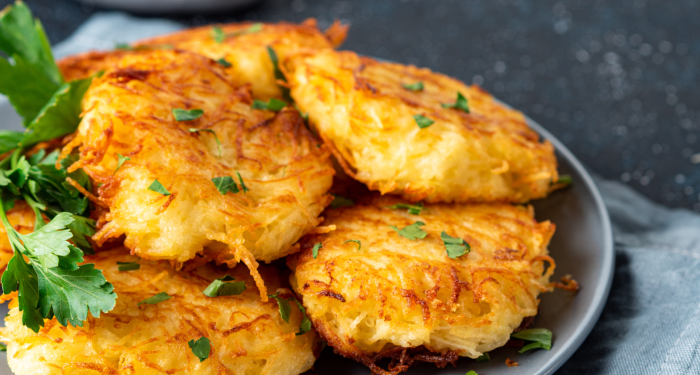
It was often served alongside hash browns cooked in bacon grease or butter.
This combination was filling and delicious, but also incredibly high in calories and fat.
Today, it’s considered a special-occasion indulgence rather than a regular breakfast.
Modern versions might use leaner cuts of meat or plant-based proteins, but the classic recipe remains rich and decadent.
For those over 70, this dish brings back memories of big family tables and generous second helpings.
While it’s far from health food, it will always be remembered as the ultimate comfort breakfast.
6. Cinnamon rolls or sticky buns
No breakfast spread felt complete without something sweet and indulgent.
Cinnamon rolls and sticky buns were a beloved treat, often homemade and served warm from the oven.
The dough was rich with butter, sugar, and cinnamon, then topped with icing or caramelized nuts.
Families saved these pastries for special occasions, making them even more memorable.
Back then, few people thought twice about the sugar content or portion size — it was simply a way to celebrate together.
Today, however, these pastries are seen as extremely indulgent, best reserved for holidays or rare splurges.
Many younger generations prefer lighter breakfast sweets, like fruit-topped yogurt or banana bread made with whole grains.
Even so, the smell of cinnamon rolls baking still evokes deep nostalgia for those over 70.
It’s a reminder of simpler times and the joy of sharing something warm and homemade.
Closing reflection: the evolution of breakfast
Breakfast has always been about more than food.
For those over 70, these meals represent family traditions, cultural heritage, and memories of growing up in a very different world.
While modern nutrition science has reclassified many of these dishes as unhealthy, their emotional value remains untouched.
Today’s breakfasts might be lighter and more health-conscious, but they don’t always carry the same sense of comfort and nostalgia.
There’s nothing wrong with enjoying these classic meals occasionally — especially when they’re tied to special memories.
After all, food is about connection as much as it is about nourishment.
Even if the ingredients have changed, the tradition of gathering for breakfast continues to bridge the gap between generations.
What’s Your Plant-Powered Archetype?
Ever wonder what your everyday habits say about your deeper purpose—and how they ripple out to impact the planet?
This 90-second quiz reveals the plant-powered role you’re here to play, and the tiny shift that makes it even more powerful.
12 fun questions. Instant results. Surprisingly accurate.