That green leaf logo on the package might not mean what you think it does.

Add VegOut to your Google News feed. 
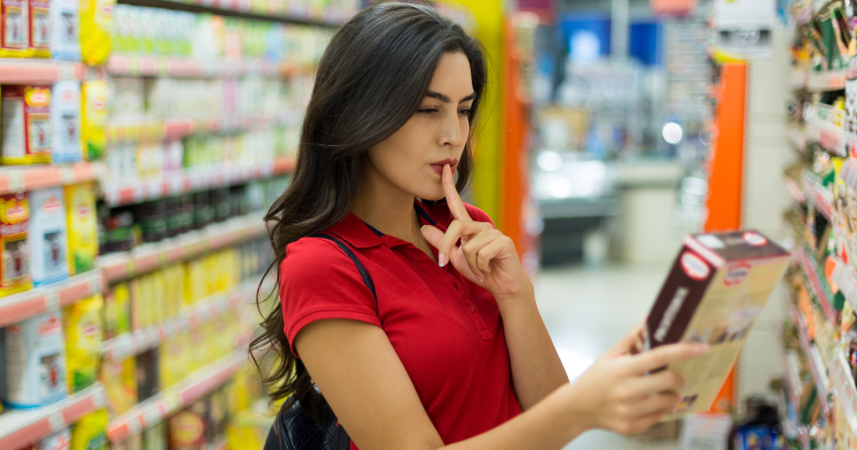
I still remember standing in the grocery aisle during my first month of veganism, turning a package of veggie burgers over and over in my hands.
The front screamed "plant-based" in cheerful green letters. The back told a different story: milk protein isolate, buried six lines deep. I felt foolish, then frustrated. Why was this so complicated?
Five years later, I've learned that confusion isn't accidental. Food marketing is designed to make you feel good at the point of purchase, not to give you clarity.
The good news? Once you understand what to look for and what companies deliberately obscure, reading labels becomes almost automatic. Let me share what I wish someone had told me back in that grocery aisle.
The difference between vegan certifications and marketing terms
Here's where it gets tricky. Terms like "plant-based," "cruelty-free," and "natural" have no legal definition when it comes to food labeling. Companies can slap them on almost anything. I've seen "plant-based" on products containing eggs and "natural" on items with a dozen synthetic additives.
Actual vegan certifications are different. Look for logos from organizations like Vegan Action (the "Certified Vegan" logo), The Vegan Society's trademark, or BeVeg International. These require companies to submit ingredient lists, manufacturing processes, and sometimes facility audits.
Third-party vegan certification programs verify that products contain no animal ingredients and weren't tested on animals.
When you see an official certification, someone has done the homework for you. When you see only marketing language, you're on your own.
Hidden animal ingredients with unfamiliar names
My finance background taught me that complexity often hides what someone doesn't want you to see easily. The same principle applies to ingredient lists. Animal-derived ingredients frequently appear under technical names that don't immediately register.
Casein and whey are milk proteins. Carmine (or cochineal extract) comes from crushed beetles and shows up in red-colored foods. Gelatin derives from animal bones and connective tissue.
Isinglass, used to clarify some wines and beers, comes from fish bladders. L-cysteine, a dough conditioner in many breads, often comes from duck feathers or human hair.
The list goes on: lanolin, shellac, tallow, stearic acid. I keep a note on my phone with the most common ones. After a few months, you'll recognize them instantly. Until then, give yourself grace. We're all learning.
The "may contain" and shared equipment gray zone
"May contain milk" or "processed in a facility that also handles eggs." What do these warnings actually mean for vegans? This is where personal ethics come into play, and there's no single right answer.
These statements exist primarily for allergy safety, not to indicate intentional ingredients. A product with this warning might never actually contact animal products, or it might share equipment that's cleaned between runs. The FDA requires allergen labeling but doesn't mandate these precautionary statements, so companies apply them inconsistently.
I personally don't avoid products with shared equipment warnings, reasoning that I'm not creating additional demand for animal products. Others feel differently, and that's valid. What matters is making an informed choice rather than an anxious one.
What "natural flavors" can legally hide
This one used to keep me up at night. "Natural flavors" is one of the most common ingredients in packaged foods, and it can legally include animal-derived components. Castoreum from beavers, civet from cats, and various animal fats can all qualify as "natural."
The reality is less alarming than it sounds. Most natural flavors in mainstream products are plant-derived because they're cheaper and easier to source. But when in doubt, especially with flavors like vanilla, raspberry, or strawberry, reaching out to the company directly often yields clear answers.
I've sent dozens of emails over the years, and most companies respond within a few days.
Certified vegan products eliminate this guesswork entirely. When I'm tired or rushed, I stick to what's certified. When I have energy for research, I branch out.
Sugar, wine, and other surprising non-vegan traps
Some products seem obviously vegan but aren't. White sugar in the United States is often filtered through bone char from cattle. Many wines and beers use animal-derived fining agents like isinglass, gelatin, or egg whites during processing. Some orange juices are fortified with omega-3s derived from fish.
Does this mean you need to research every grain of sugar? That's your call. I focus on what feels sustainable for my life. I buy organic sugar (which can't use bone char) and wines labeled vegan. I don't interrogate restaurant kitchens about their sugar sources. Barnivore maintains a database of vegan alcohol options that I reference regularly.
Perfectionism can become its own trap. What would it mean for you to be thorough without being consumed by anxiety?
Final thoughts
Reading labels is a skill, and like any skill, it gets easier with practice. I spent my first year of veganism feeling overwhelmed by ingredient lists. Now I can scan a package in seconds and know whether it works for me.
Companies hide animal ingredients because transparency doesn't always serve their bottom line. But you don't need to be an expert to navigate this. Start with certified products when possible. Learn the most common hidden ingredients. Give yourself permission to make imperfect choices while you're learning.
The goal isn't purity. It's alignment between your values and your actions, as best you can manage in a world that doesn't always make it easy. You're already doing the work by asking these questions. That matters more than getting every label right.