After years of unexplained fatigue and mood swings, I discovered that what I ate had more power over my hormones than I ever imagined.
When I was 34, still working in finance, I'd wake up exhausted no matter how much I slept. My periods were unpredictable, my skin broke out like I was 16 again, and I'd snap at Marcus over the smallest things.
My doctor ran tests, shrugged, and suggested I was just stressed. Maybe I was. But when I went vegan a year later, something unexpected happened: my body started working with me instead of against me.
I didn't make the connection right away. I'd changed my diet for ethical reasons, not health ones. But six months in, I realized my cycles had regulated themselves. My energy felt steadier. The brain fog lifted.
It took me another year to understand why: the foods I was eating were actually supporting my endocrine system instead of disrupting it.
The fiber advantage most people overlook
Here's something I wish I'd learned in my twenties: fiber doesn't just keep you regular. It's actually one of your body's primary ways of eliminating excess estrogen. When you eat animal products, you're getting almost no fiber. When you eat plants, you're getting it with every meal.
I used to think of fiber as boring, something my grandmother worried about. But it binds to used hormones in your digestive tract and escorts them out of your body. Without enough fiber, those hormones get reabsorbed, creating an imbalance that can show up as PMS, heavy periods, or mood swings.
Since going vegan, I naturally get 35-40 grams of fiber daily without even trying. My body has a clear pathway to maintain hormonal equilibrium.
Phytoestrogens aren't what you've been told
When I first heard about phytoestrogens in soy, I'll admit I was nervous. The internet is full of fear-mongering about how they'll wreak havoc on your hormones.
But when I dug into the actual research during my transition, I found something different: these plant compounds are incredibly gentle and actually help balance hormones rather than disrupt them.
Phytoestrogens are weak compared to your body's own estrogen. They bind to estrogen receptors and can either slightly increase or decrease estrogenic activity depending on what your body needs. It's like a thermostat, not a sledgehammer.
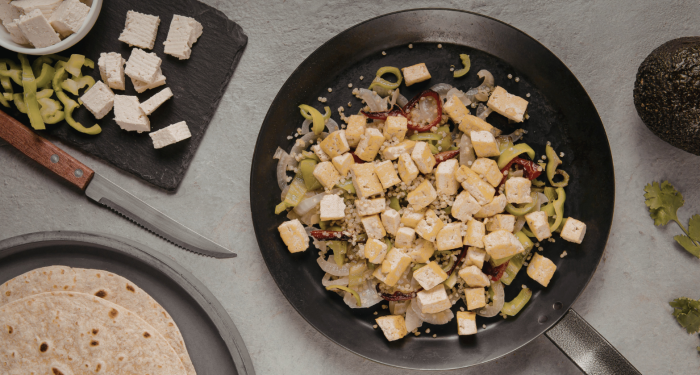
I eat tofu, tempeh, and edamame regularly now, and my hormones are more balanced than they were in my meat-eating days. Have you noticed how the cultures that eat the most soy also report fewer menopausal symptoms?
What removing dairy actually does
This was the change that surprised me most. I'd grown up believing dairy was essential for women's health, especially our bones.
But dairy contains actual mammalian hormones, including estrogen, progesterone, and insulin-like growth factor. These aren't plant compounds that gently modulate your system. They're bioidentical hormones from a pregnant or lactating cow.
Within three months of removing dairy, my hormonal acne cleared up almost completely. The tender, swollen feeling in my breasts before my period diminished significantly.
I'm not saying dairy affects everyone the same way, but for me, removing that constant influx of external hormones allowed my own endocrine system to find its rhythm again. My body could finally hear its own signals.
The omega-3 shift that supports everything
One thing I had to be intentional about was getting enough omega-3 fatty acids. These anti-inflammatory fats are crucial for hormone production and cellular communication. When I ate fish, I got them automatically. As a vegan, I needed to be more thoughtful.
I add ground flaxseed to my morning oatmeal, snack on walnuts, and take an algae-based omega-3 supplement. The ratio of omega-6 to omega-3 matters enormously for inflammation, and inflammation disrupts every hormonal process in your body.
Since balancing my fats, my periods are less painful, my mood is more stable, and even my skin looks calmer. It required some learning, but it wasn't complicated once I understood the basics.
Blood sugar stability changes everything
Here's what my analytical brain loves: when you eat whole plant foods, your blood sugar stays remarkably steady. No more energy crashes at 3 PM, no more desperate hunger that makes you irritable. And blood sugar stability is foundational for hormonal balance because insulin directly affects your sex hormones.
When I ate animal products, I often paired them with refined carbs and not much fiber. My blood sugar would spike and crash throughout the day, and my body would pump out insulin and cortisol to compensate.
Those stress hormones then interfered with my estrogen and progesterone. Now, eating beans, whole grains, vegetables, and fruit, my energy is consistent. My body isn't constantly in crisis mode, so my hormones can do their actual jobs.
Final thoughts
I can't promise that going vegan will solve every hormonal issue you're facing. Bodies are complex, and sometimes we need medical intervention.
But I can tell you that giving my body fiber, phytoestrogens, stable blood sugar, and freedom from external animal hormones created space for my endocrine system to recalibrate itself.
The changes didn't happen overnight. It took months for my body to adjust and find its new equilibrium. But unlike the quick fixes I'd tried before, these changes have lasted. Five years later, my hormones feel like allies instead of adversaries. What would it mean for you to work with your body instead of constantly fighting it?
What’s Your Plant-Powered Archetype?
Ever wonder what your everyday habits say about your deeper purpose—and how they ripple out to impact the planet?
This 90-second quiz reveals the plant-powered role you’re here to play, and the tiny shift that makes it even more powerful.
12 fun questions. Instant results. Surprisingly accurate.