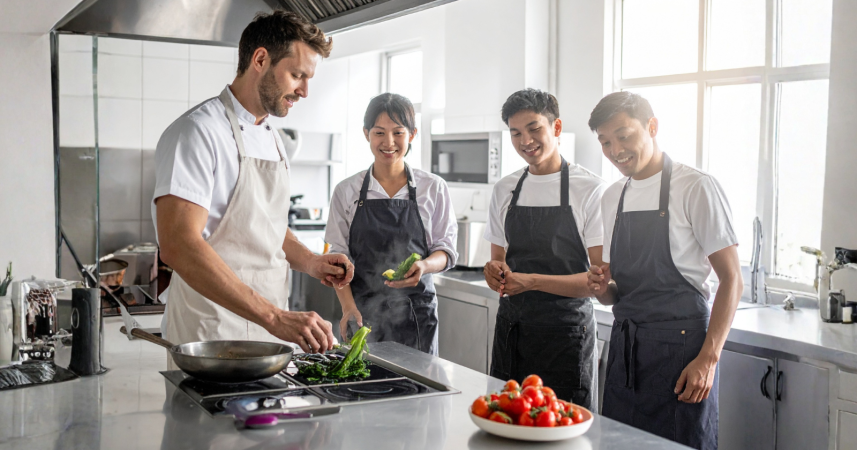
Find out how plant-based eating goes from being something you try to stick to, to something that pulls you forward!
The first time I watched a room full of non-vegans go quiet over a plant-based dish, I knew something special was happening.
It was a pop-up dinner at a tiny restaurant tucked behind a farmers’ market.
The chef brought out a smoky mushroom bourguignon over garlic mashed potatoes, and my friend, who still jokes that he is "allergic to vegetables" – took one bite and actually swore.
He put his fork down, closed his eyes for a second, then said, "If vegan food tasted like this every time, I’d switch tomorrow."
What was it about that dish that did what lectures on animal ethics and climate reports could not?
It tasted indulgent—satisfying, even—like the kind of food you crave at the end of a long week, not the kind you eat out of obligation.
That night stuck with me, partly because I am vegan myself and partly because my old life in finance trained me to look for patterns.
I started paying attention to what separates the plant-based meals people politely tolerate from the ones they daydream about later:
Why a lot of vegan food feels “good for you” but not good, period
Let me guess: You have had at least one underwhelming experience with a veggie burger that tasted like a dry sponge or a salad that felt like a punishment.
Me too.
A big part of the problem is how many of us were introduced to plant-based eating.
We were handed a plate that shouted "healthy" instead of whispering "pleasure".
Too often, the focus is on removing things: no meat, no dairy, no oil, no salt.
Our brains register that restriction long before the first bite.
From a psychological point of view, deprivation is rarely a recipe for craving.
When we feel like something has been taken away, we brace ourselves for disappointment.
So, our expectations are already low and then the food follows through on that prediction.
The vegetables are often under-seasoned, under-fatted, and under-loved (not boring).
Top chefs know this; they want you to taste the dish and forget you are "behaving".
The real secret ingredient chefs are using
Here is what I kept noticing, plate after plate, kitchen after kitchen.
The dishes that people could not stop eating all had one thing in common: They were built around deep, savory satisfaction.
In other words, umami.
If you have ever had a perfectly roasted tomato, a rich miso broth, or a slow-cooked mushroom stew, you have tasted it.
It is that "mmm, I need another bite" depth that lives somewhere between salty and meaty but technically is neither.
Our brains are wired to perk up when they detect it.
Umami often signals protein and nourishment, so we feel more content and less like we just ate a bowl of air.
Top plant-based chefs obsess over this.
They are constantly asking: How can I make this dish feel as indulgent and satisfying as a classic comfort food, using only plants?
So, they sneak that secret ingredient in through:
- Tomato paste slowly cooked until it darkens.
- Soy sauce or tamari splashed into a pan at the last minute.
- Miso swirled into creamy dressings.
- Roasted garlic blended into sauces.
- Mushroom powder dusted over veggies before they hit the oven.
- Caramelized onions cooked longer than seems reasonable.
Individually, none of these things look like magic but, together, they wake up your taste buds and tell your nervous system, "You are getting something substantial here."
Suddenly, the dish is lunch you finish and then mentally schedule to make again.
What chefs know about your brain that you might not
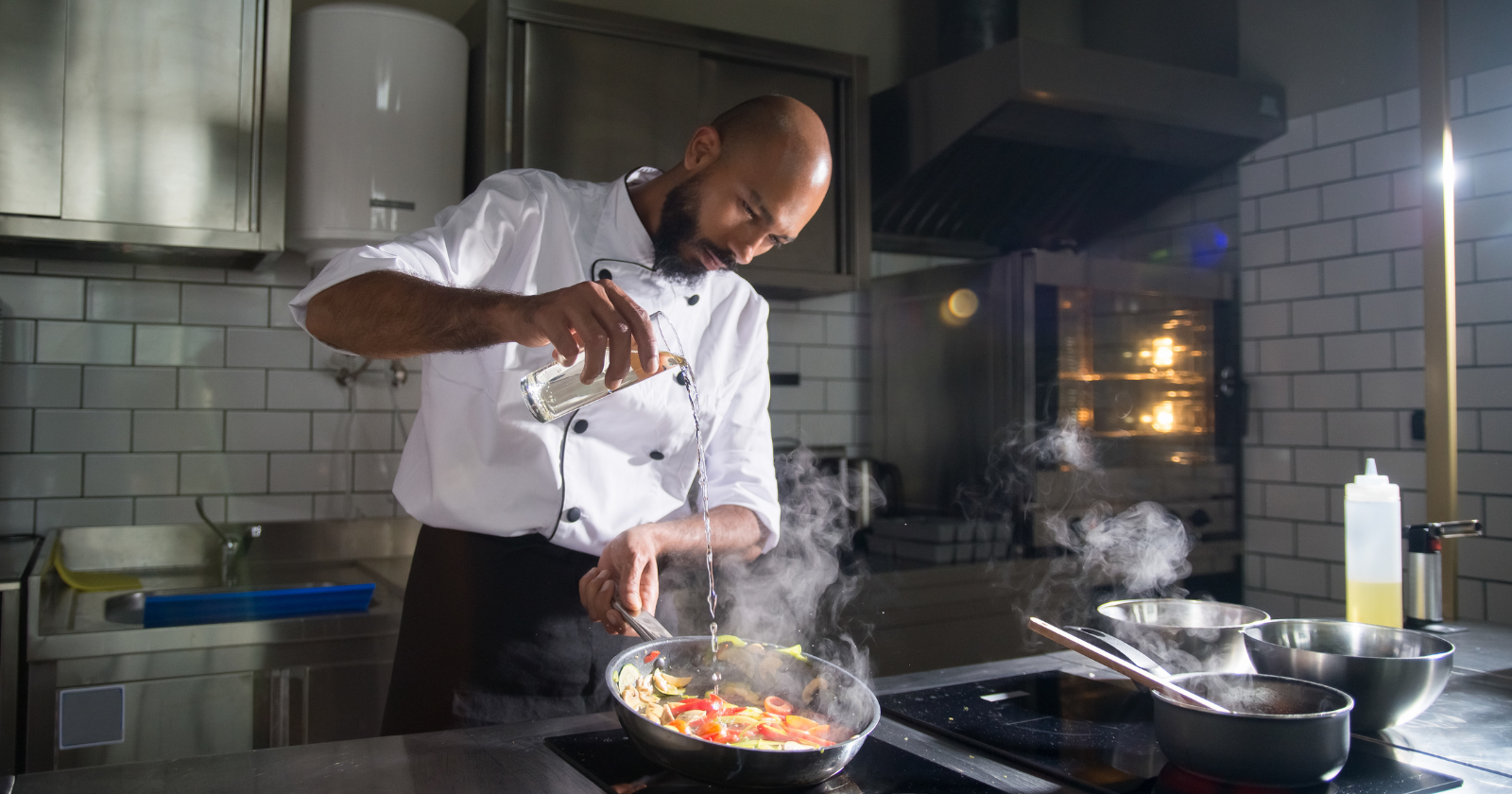
Flavor is about your expectations, your memories, and your emotions.
Chefs who make plant-based food that people crave are quietly playing with all three.
First, they respect comfort.
Instead of trying to impress you with unfamiliar superfoods, they often start from classic formats your brain already loves:
- Mac and cheese.
- Burgers.
- Tacos.
- Sunday roast-style plates.
The flavors may be made from cashews, lentils, and mushrooms, but the story your brain hears is familiar: "This is cozy. This is safe. You know this."
Second, they create contrast:
- Creamy next to crunchy.
- Smoky balanced with bright acidity.
- Something fresh and crisp against something rich and slow-cooked.
Psychologically, our brains get bored with sameness very fast as contrast keeps us interested.
Third, they remove guilt from the equation; when you eat something that feels both indulgent and aligned with your values or health goals, you get a double reward.
You are enjoying the bite in your mouth and enjoying the story you get to tell yourself about who you are.
"I am someone who takes care of my body and the planet and still eats ridiculously good food," and that identity piece is huge.
It turns dinner into self-respect.
What vegan umami taught me about craving in the rest of my life
Once I saw how chefs made plant-based meals addictive in the best way, I could not unsee the parallel in other areas of life.
Most of us try to change our habits the same way many people try to go vegan.
We strip things away and hope sheer willpower fills the gap.
No more scroll before bed, no more sugar, no more impulse spending, and then we are surprised when the new routine feels flat and we quietly slide back to what actually feels good, even if it is not good for us.
Chefs flip that approach.
They keep asking, "How can I add more satisfaction, more depth, more sensory joy, while staying aligned with the intention?"
That question works outside the kitchen too.
If I want to make a new behavior "craveable", I ask myself: What is the umami here? What turns this from a virtuous chore into something my future self will actually look forward to?
For trail running, it is music in my ears, cool air on my face, and the quiet thrill of passing the same tree each week and feeling a little stronger; for budgeting, a throwback to my analyst days, it is not just "being responsible".
It is lighting a candle, making a fancy cup of tea, and turning money time into a cozy little date with my future freedom.
In the same way, a chef does not stop at "steamed vegetables."
They roast, glaze, char, drizzle, and season until the plate is something your body and your brain both want.
How to bring that secret ingredient into your own kitchen
You do not need a restaurant kitchen or a ten-course tasting menu to use what top chefs know.
Start by choosing one dish you already make often; maybe it is pasta, stir fry, chili, or a simple grain bowl.
Now ask yourself three questions:
- Where is the deep savoriness here? If the answer is "nowhere", that is your sign.
- Where is the contrast? If your meal is all soft, add crunch with toasted nuts, seeds, or crispy chickpeas; if it is all rich and heavy, add a squeeze of lemon, a handful of fresh herbs, or something pickled. Your eyes eat first and your mood follows.
- How do I want to feel after this meal? Grounded and cozy, light and energized, or like I treated myself? Let that answer guide your choices more than any food rule you picked up on social media.
Sometimes that means more olive oil and extra bread while, sometimes, it means more greens and a lighter dressing.
The point is aligning your plate with the story you want your day to tell.
Letting yourself crave what truly nourishes you
When vegan food becomes something you actually crave, everything gets easier.
You stop white-knuckling your way through "good" choices and start following genuine desire.
That is what the secret ingredient is really about, an attitude of generosity toward your own senses.
Top chefs are not scared of pleasure.
They lean into it and trust that if they build enough depth, contrast, and satisfaction into each dish, the ethics and health benefits will ride along naturally.
You can do the same in your kitchen and in your life.
Ask for more than "fine," or aim for meals that make your shoulders drop with relief after the first bite, that your friends remember, that your brain files under "yes, more of this."
That is how plant-based eating goes from being something you try to stick to, to something that quietly, steadily, pulls you forward.
One savory, satisfying, secretly powerful bite at a time.
If You Were a Healing Herb, Which Would You Be?
Each herb holds a unique kind of magic — soothing, awakening, grounding, or clarifying.
This 9-question quiz reveals the healing plant that mirrors your energy right now and what it says about your natural rhythm.
✨ Instant results. Deeply insightful.